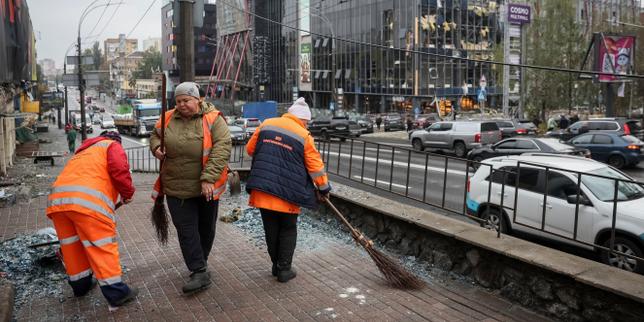
Cold November rain hits the windowpanes of a fifth-floor apartment in Kyiv while a kettle refuses to click off on a stove with no power. Outside, the city hums with the low, metallic thrum of portable generators—hundreds of small engines stitched together against another round of strikes on energy infrastructure. Inside, nobody is checking cable news tickers first. They are checking how much charge is left on a phone battery, whether the pipes in the hallway might freeze by midnight, and whether the water tap will cough brown or clear at six in the morning.
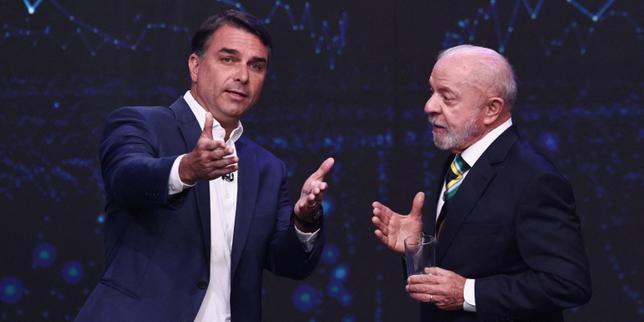
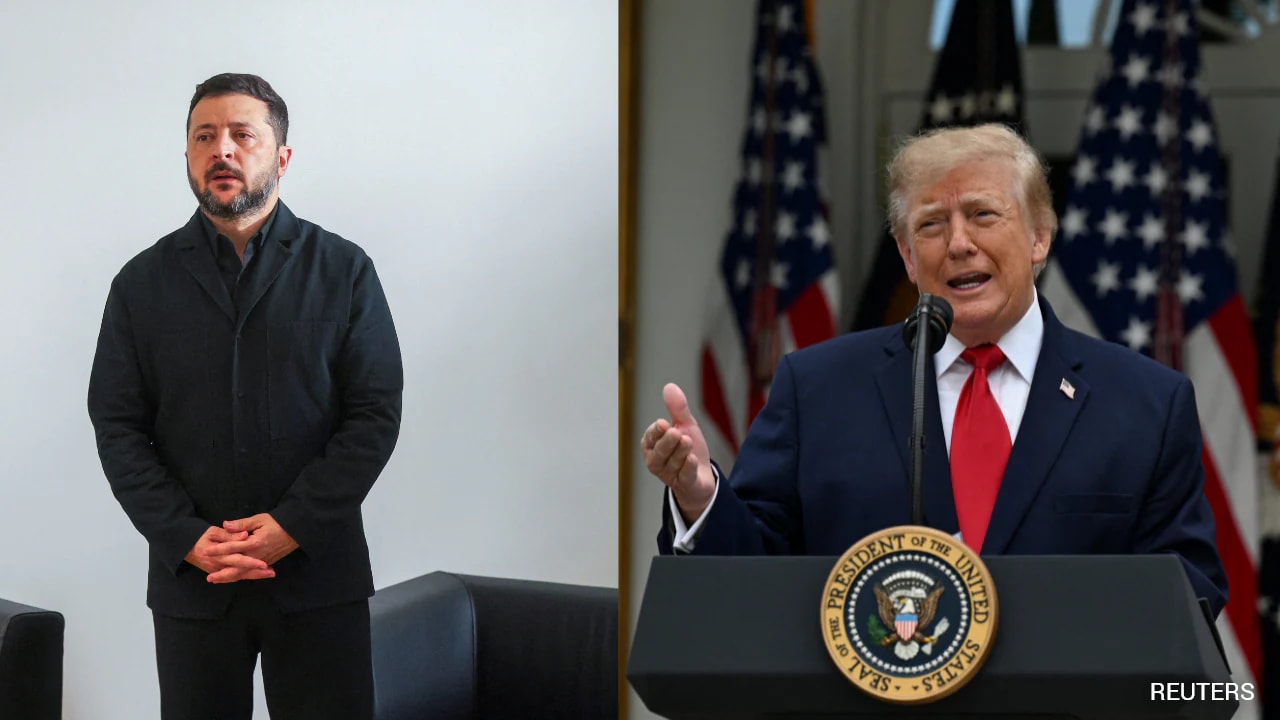
When President Donald Trump says Volodymyr Zelensky "does not want to end this war," the phrase lands in that kitchen like a stone dropped into a bucket. To people sitting in the dark after years of air raid sirens, hearing that their president prefers fighting sounds less like political analysis and more like an accusation aimed at their survival. Yet Washington, Moscow, and Kyiv are speaking different languages inside the same negotiation room, and confusing a dispute over terms with a desire for endless bloodletting distorts what is actually happening on the ground.
Two Men Looking at Different Maps
Watch closely how the rhetoric shifts over a few weeks. In mid-October 2026, Trump bluntly told reporters that Zelensky "does not want to end this war, and perhaps never did," warning that refusal would only make things worse and faulting strikes on Russian oil refineries for rattling diesel markets. Barely a month later, after rounds of talks involving U.S. envoys Steve Witkoff and Jared Kushner and diplomatic movement in Moscow and Europe, Trump's tone softened enough for him to suggest Zelensky was "backing down a little bit" and "Frankly, I think he'd like to see it finish".
Whiplash.
That swing captures the core tension of the conflict's diplomatic track. When Trump accuses Kyiv of dragging its feet, he is usually measuring resistance against a specific deal structure: trading territorial reality—especially contested ground in the Donbas—for a halt to fighting and a reset in broader geopolitical bargaining. From a transactional dealmaker's vantage point, holding out for full territorial restoration or refusing concessions Moscow demands looks like obstructing peace.
From Kyiv's vantage point, a peace that legalizes occupation or leaves a neighbor armed and unpunished isn't the end of the war. It is an intermission before the next invasion.
Hypothetical scenario: Picture two neighbors arguing over a burned fence line after a storm. One wants to nail up temporary boards right now so both sides can stop shouting and get some sleep. The other looks at the scorched earth inside his own yard and knows that hammering boards over ashes doesn't stop the fire from reigniting next spring unless the boundary and accountability are settled. Neither man is necessarily lying about wanting quiet. They are arguing over what "quiet" actually buys.
What "Ending the War" Means When Your Street Is Gone
Let's be honest with ourselves: even seasoned observers struggle to keep track of every envoy shuttle, every leaked draft, and every denial between Washington, Moscow, and Kyiv. Diplomatic communiqués read like riddles wrapped in polite nouns—"practical issues," "mechanics of possible solutions," "next steps"—while actual families pay in concrete losses.
Consider a hypothetical family—let's call them Olena, her husband Taras, and their ten-year-old son Maksym—who lived in eastern Ukraine before the full-scale invasion began. Their story is fictional, built to illustrate real patterns documented across displaced communities. Years ago, they packed two suitcases, left behind a garden Taras spent a decade tending, and moved west. Twice more they moved as frontlines shifted and power grids took hits.
When Olena hears a politician in another hemisphere say Kyiv doesn't want peace, she doesn't think about grand strategy. She thinks about Maksym's nightmares after a drone strike, or about neighbors whose sons never came home from trenches near Donetsk. To her, wanting the war to end is not an abstract preference. It is a daily ache.
Yet she also fears what a rushed settlement could mean. If a deal hands over towns where friends are buried or leaves millions of Ukrainians under Russian control without ironclad security guarantees, what happens to the people left behind? What happens when the next crisis hits?
A ceasefire without durable security is often just a pause button pressed by the side that needs time to reload.
✨ Don't miss: The Quiet Stamp That Almost Cost Everything
That is why skepticism in Kyiv isn't automatically warmongering. A leader governing a country under fire faces a brutal arithmetic: concede too much under pressure and risk internal fracture and future vulnerability; hold out too rigidly while infrastructure buckles and risk losing vital leverage and external patience.
The Leverage Game Beneath the Headlines
Pressure on Ukraine rarely arrives as a single speech. It shows up in leverage—quietly or loudly—across energy, communications, diplomacy, and domestic politics.
Take satellite connectivity and battlefield communications, an area where friction has surfaced publicly. When Ukrainian officials complain of speed restrictions on Starshield or Starlink systems while SpaceX denies any change, ordinary citizens see how quickly technical tools become bargaining chips in a much larger contest over concessions. Even when companies dispute claims of throttling, the perception alone underscores how vulnerable a defending nation feels when its lifelines depend on outside goodwill.
Then there is the economic and diplomatic pressure. Strikes on Russian oil refineries draw rebukes when they ripple into global fuel prices, even as Russian strikes batter Ukrainian power stations and heating networks. Meanwhile, U.S. envoys warn sides that time is running out on talks, and shifts in Washington's political balance—including a Democratic takeover of Congress creating potential legislative pathways for aid votes even amid veto threats—add another layer of uncertainty for both Kyiv and Moscow.
Look at how asymmetrical the pressure can feel:
| Pressure Point | How It Hits Kyiv | How It Shapes Negotiations |
|---|---|---|
| Territorial concessions | Demands to cede ground, including areas Moscow hasn't fully captured | Creates a sharp impasse between "land for quiet" and sovereign integrity |
| Infrastructure & energy | Winter strikes on power and heating; scrutiny of Ukrainian strikes on Russian oil | Raises urgency for relief while testing endurance through cold months |
| External backing & tech | Debates over aid and complaints over satellite connectivity limits | Reminds Kyiv that external patience and tools are not unconditional |
| Diplomatic deadlines | Warnings from envoys that talks could be limited or final | Compresses decision timelines and raises stakes for every compromise |
History offers a sobering mirror here. Across modern conflicts—from twentieth-century European borders to frozen disputes in the post-Soviet space—agreements signed purely out of exhaustion often leave deep fissures unresolved. When a stronger party insists on keeping conquered territory while offering vague promises rather than enforceable deterrence, the weaker party understandably suspects the truce is a trap.
At the same time, endless war carries its own compounding ruin. Cities empty out. A generation grows up in shelters and basements. Economies strain until every spare hryvnia or dollar goes to survival rather than rebuilding. Recognizing that reality doesn't make someone a traitor or a coward; it makes them human.
Why Accusations of "Not Wanting Peace" Miss the Real Choice
When Trump says Zelensky doesn't want to end the war, he is framing the conflict as a matter of personal will—as if one man's stubbornness is the main obstacle standing between gunfire and calm. That framing makes for sharp television, yet it skips the hardest questions sitting on the table.
What kind of peace is actually on offer? Does Moscow accept genuine sovereignty and security guarantees, or does it demand surrender dressed up as realism? And if Kyiv says no to terms it views as suicidal, what happens to American support, European coordination, and the winter ahead?
None of us watching from afar should pretend the math is simple. It isn't. If you feel torn between wanting an immediate halt to suffering and dreading an unjust settlement that invites future aggression, you are feeling the exact fault line running through this crisis.
In Kyiv, when the generator finally sputters out for the night and the radiator goes cold, a child pulls a wool blanket up to his chin and listens to the rain against the glass, waiting for morning light to see if the power is back.
Trump says Zelensky 'doesn't want to end this war' and defends
This video directly captures Trump's public remarks accusing Zelensky of not wanting to end the war, grounding the rhetoric discussed in the article.