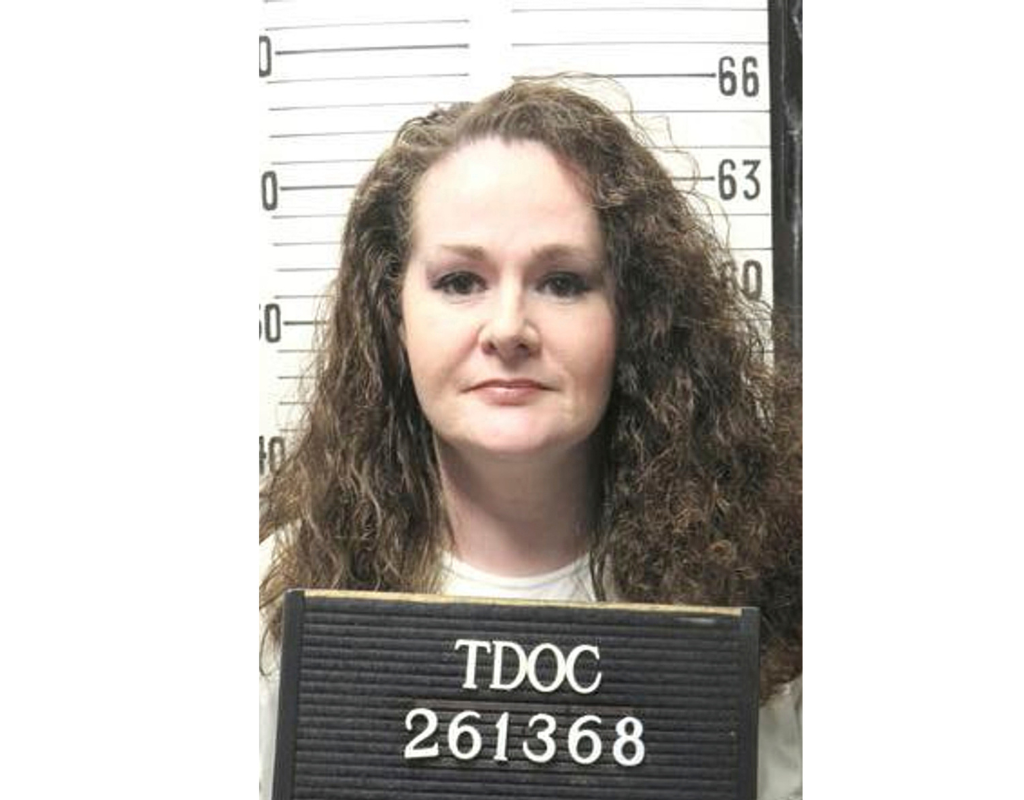
Every single headline regarding the Caleb Flynn murder case follows the exact same lazy, algorithmic playbook. A washed-up reality television contestant shoots his wife, the tabloids spin a morality tale about fame and decay, and the public nods along, comforted by the easy categorization of a broken man.
It is a neat narrative. It is also entirely designed to obscure how domestic violence actually metastasizes in plain sight.
When a former American Idol singer murders his spouse, society treats the event like a meteorite strike. People act as though a tragic, anomalous monster descended from the sky, wrecked a suburban home, and vanished back into the ether. This framing is convenient. It allows everyone else to sleep soundly, operating under the comforting delusion that violent criminality is always theatrical, public, and easily identifiable by flashing
Why Celebrity True Crime Obsession Makes Us All Accomplices
news, entertainment
We consume tragedy like fast food. A former reality television contestant commits an unspeakable act of violence against his spouse, and the media machine instantly transforms a brutal domestic homicide into an interactive spectator sport. Standard reports hand-wring about mental health or domestic violence statistics while keeping a microphone permanently glued to the courtroom door. That approach is lazy, cowardly, and entirely complicit in the cycle.
The standard narrative surrounding celebrity violence treats the perpetrator as a tragic anomaly or a fallen icon. It focuses on the glamour of the past versus the squalor of the present. People read about Caleb Flynn or any other washed-up performer who snaps, shaking their heads at the fall from grace, completely missing the structural rot underneath. We treat these stories as aberrations when they are actually the logical end-point of an industrial complex that commodifies human beings, strips them of identity, and then abandons them to the digital wilderness when the ratings dry up.
Let us dismantle the polite fiction that society cares about domestic violence prevention when it happens behind closed doors. Society cares about the marquee value of the defendant. Millions of true crime junkies scour court documents not out of civic duty, but to satisfy a morbid craving for real-life drama. They turn a grieving family's absolute worst nightmare into morning commute podcast fodder.
I have spent years watching the entertainment and tabloid ecosystem chew up talent, spit them out, and then feast on their rotting carcasses when they implode. The public acts surprised when someone who spent their formative years told they were a star—only to be discarded by a fickle public—exhibits sociopathic pathology. Fame is a distorting mirror. When you isolate individuals, feed their narcissism, and then abruptly pull the plug, you do not get well-adjusted citizens. You get ticking time bombs.
The media loves to frame these events as sudden tragedies born out of nowhere. They search for a snap, a single moment where the script flipped. That is a comforting lie. Violence like this brews in the dark corners of untreated isolation, economic panic, and the crushing weight of public irrelevance. When a minor celebrity realizes their identity is entirely tied to an applause track that stopped ringing years ago, the desperation turns toxic.
We need to stop treating these trials as afternoon entertainment. Every time we click on a headline dissecting the mugshot or streaming the audio logs of a domestic dispute, we reward the pathology. We incentivize the morbid spectacle.
If you want to fix the culture of violence surrounding broken public figures, stop feeding the monster that made them unstable in the first place. Turn off the voyeurism. Stop treating human wreckage as your weekly binge-watch.
Real accountability begins when the audience stops paying admission to the circus.