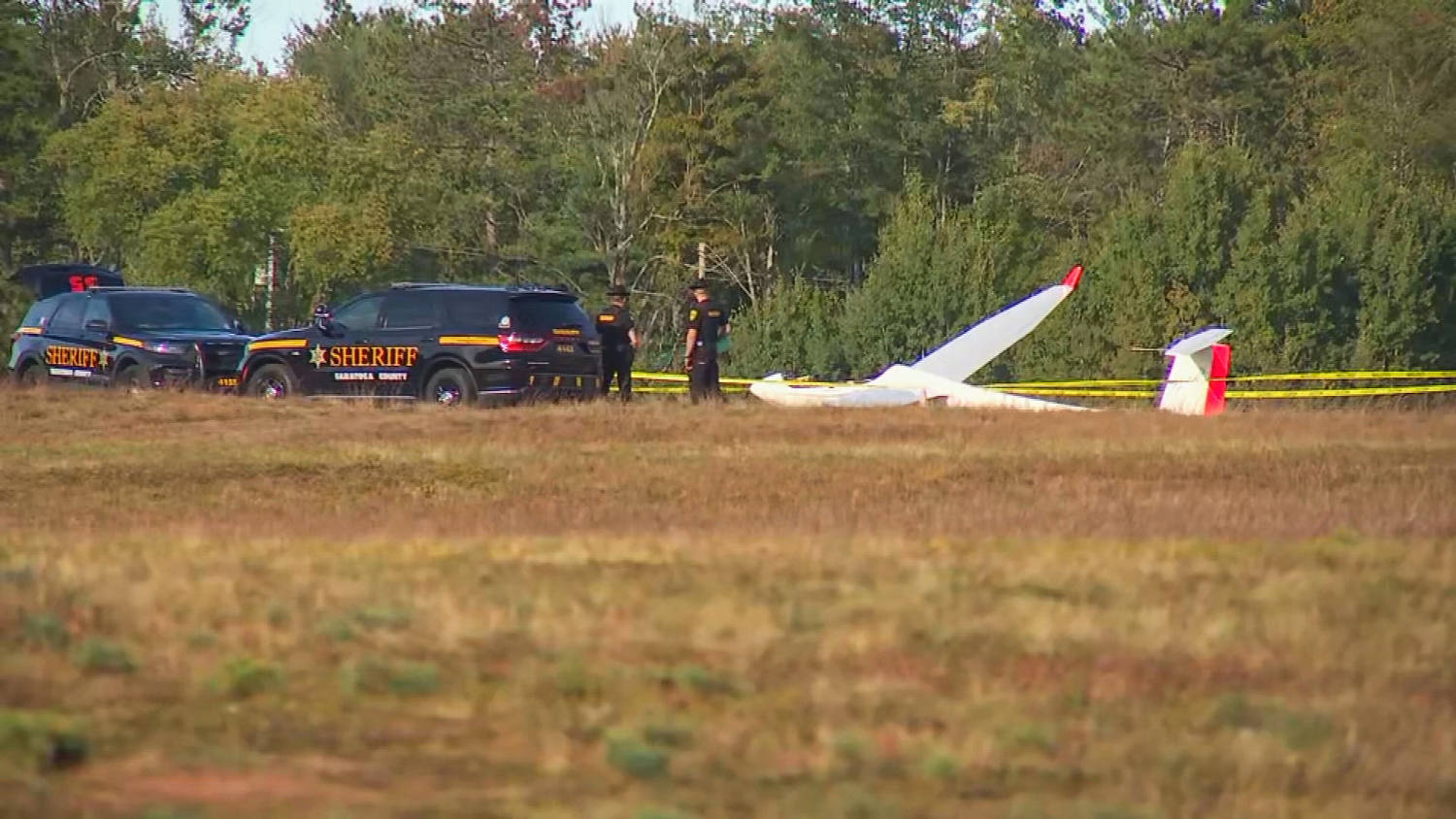
Another headline breaks about a reported midair close call in upstate New York, and the predictable chorus begins. Local outlets hyperventilate about crowded skies. Pundits demand immediate congressional intervention, new layers of bureaucratic oversight, and emergency tracking mandates for every piece of aluminum flying below ten thousand feet.
Everyone wants to blame the physical density of the airspace. Everyone assumes that two planes getting too close together is a symptom of too many aircraft competing for too little room. Expanding on this topic, you can also read: The Map at the Edge of the World.
They are looking at the wrong threat entirely.
Midair collisions and near misses are rarely spatial crises. They are communication and automation anomalies. Focusing on how many planes are in the sky misses the structural rot inside how pilots and controllers manage situational awareness when the electronics blink. Observers at NPR have shared their thoughts on this matter.
I spent years tracking aviation safety metrics and watching how operational bottlenecks form when human factors collide with legacy tracking systems. The lazy consensus says we need fewer planes or stricter corridors. The data says we need to stop treating electronic warnings as gospel and start teaching pilots how to look out the window again.
The Myth Of Airspace Overcrowding
Let us dismantle the core panic. Upstate New York is not JFK at five o'clock on a Friday. The vast majority of airspace in rural and semi-rural corridors outside major terminal control areas is wide open. You can fly for an hour without seeing another transponder return on your display.
Yet, incidents still happen precisely because of that emptiness.
When pilots fly in congested terminal environments, their visual scanning discipline stays pinned at maximum alert. They expect traffic. They look for traffic. They rely on the tower to sort the clutter. But when they cross into less regulated sectors, complacency sets in. The cockpit workload shifts from active scanning to monitoring glass panels.
When an ADS-B alert flashes or a controller issues a late traffic advisory, the human brain takes precious seconds to transition from passive cruise mode to evasive geometry. That transition delay kills. It has nothing to do with whether there are three planes or thirty planes within a ten-mile radius. It has everything to do with attention management.
Why Automated Collision Avoidance Is Breeding Bad Pilots
Traffic Collision Avoidance Systems and modern synthetic vision displays have saved countless lives, but they have also created a dangerous psychological dependency. Modern flight decks encourage a video-game mentality where pilots watch a screen rather than the horizon.
When a reported close call occurs, the automatic assumption from investigators is that the technology failed or the separation standard was violated. Rarely does anyone point the finger at the pilot who was heads-down configuring an avionics page or listening to an automated weather broadcast while a Cessna drifted through their altitude block without a functioning transponder.
We have engineered an aviation culture that trusts digital geometry over human optics. When the green symbology on the screen says the sky is clear, pilots believe the screen. When a physical intruder appears outside the windscreen, the reaction time is crippled by the shock of cognitive dissonance.
The danger is not that our skies are too crowded. The danger is that our pilots are too reliant on synthetic situational awareness.
The Regulatory Knee-Jerk Reaction
Every time a headline screams about a near miss, the Federal Aviation Administration faces immediate pressure to act. The playbook is always the same. Expand restricted zones, lower vector thresholds, or mandate more expensive equipment for general aviation operators.
This is a tax on safety theater.
Adding more transponder requirements or forcing recreational flyers out of uncontrolled airspace does not fix the underlying friction. It prices small operators out of the market while doing nothing to solve the core issue of human error in mixed-equipment environments. A multimillion-dollar turboprop and a thirty-year-old Piper Cub can share the same sky safely if both pilots understand that electronics are backup tools, not a substitute for eyes scanning the horizon.
Instead of demanding more rules, we should be dismantling the administrative complexity that forces pilots to spend more time managing avionics menus than looking outside.
What Actually Works
If we want to stop these incidents, we need to change how we train for traffic avoidance.
First, mandate raw visual scanning drills in primary training that simulate total avionics failure. If a pilot cannot maintain separation without looking at a glass screen, they should not hold a commercial ticket.
Second, stop treating every close proximity report as a systemic failure of air traffic control. Sometimes, the sky is just vast, unpredictable, and full of independent actors who make mistakes. The solution is not zero risk; the solution is better resilience when things get tight.
The next time a sensational report flashes across your feed about a close call over rural America, look past the panic. The sky isn't falling. Our collective attention span is.