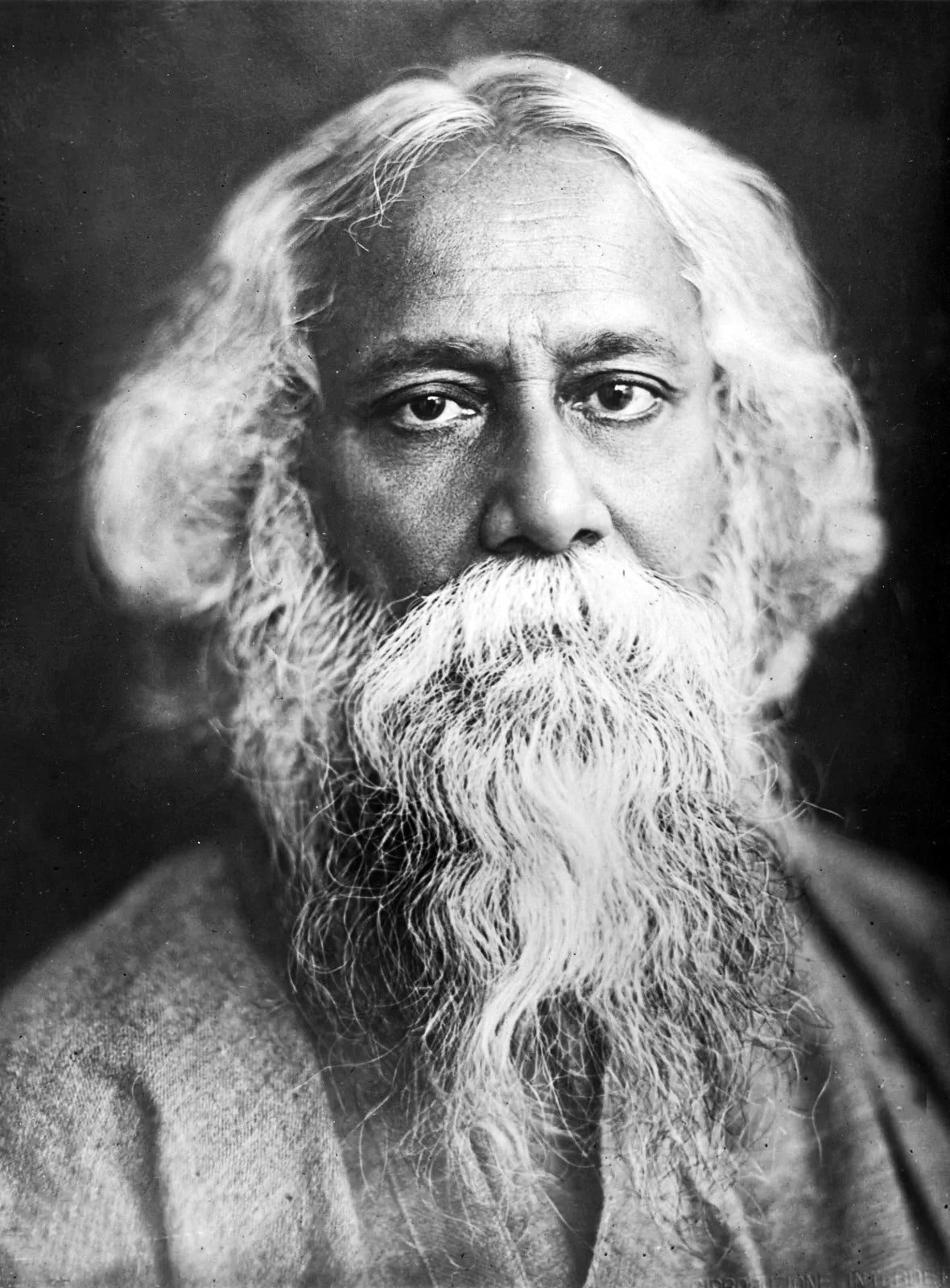
Every year on the anniversary of September 11, the hospitality industry dusts off the same tired script. We see solemn tributes, black-and-white photos of kitchen staff and servers who perished in the World Trade Center towers, and an outpouring of grief for the hundreds of restaurant workers who lost their lives in Windows on the World and other downtown establishments.
The lazy consensus is simple: mourn the fallen, praise the resilience of hospitality workers, and talk about how the industry came together in tragedy.
It is a comfortable narrative. It is also a profound evasion of reality.
Focusing solely on the symbolism of September 11 white-washes how the industry actually treats its front-line workforce thirty-six days a year, every single year. I have watched operators weep on social media for fallen line cooks on September 11 while scheduling those exact same cooks for fourteen-hour shifts without overtime the following Tuesday, denying them basic healthcare, and looking the other way on wage theft.
Memorializing dead labor while exploiting living labor is a hypocritical parlor trick. Let us tear down that illusion.
The Myth of Hospitality Solidarity
When the towers fell on that Tuesday morning in 2001, 73 employees of Windows on the World—located on the 106th and 107th floors of the North Tower—died. Dishwashers, busboys, prep cooks, and servers. Immigrants from dozens of countries who came to New York chasing a paycheck and found a mass grave.
The standard media framing treats these workers as tragic collateral damage of a geopolitical cataclysm. But zoom out past the date on the calendar, and a much uglier structural truth emerges. Those workers were already vulnerable long before any plane hit the building. Windows on the World was notorious for intense workloads, low baseline wages subsidized by volatile tipping models, and zero safety nets.
When we isolate September 11 as a singular historical anomaly of loss, we let the broader economic machine off the hook. We pretend that danger and exploitation only happen when terrorists attack skyscrapers, ignoring the daily grinding attrition of kitchen burns, repetitive strain injuries, addiction, and poverty wages that claim far more restaurant workers over a decade than any single disaster.
I have seen restaurant owners spend thousands on custom memorial plaques for staff lost in historical tragedies while fighting tooth and nail against paid sick leave ordinances for their current floor teams. That is not commemoration. That is PR gymnastics.
The Economics of Invisibility
To understand why the restaurant industry clings to these annual tear-jerker tributes, you have to understand how back-of-house labor has always been commodified.
In economic terms, immigrant labor in hospitality is treated as infinitely replaceable capital. Before 2001, Windows on the World relied heavily on undocumented workers who had no legal recourse against unsafe conditions or labor violations. After 2001, the faces changed slightly, but the structural vulnerability remained identical.
Imagine a scenario where the corporate ownership of high-volume dining groups spent half the energy on fair wages, hazard pay, and health insurance that they spend on crafting heartfelt anniversary LinkedIn posts. The industry would look unrecognizable.
Instead, the culture relies on what sociologists call affective labor exploitation. Operators demand emotional investment, loyalty, and sacrifice from workers under the banner of "family," while offering zero equity, zero stability, and zero protection when things go sideways. When tragedy strikes, the "family" brand becomes a shield to generate sympathy and drive foot traffic back through the doors.
People ask: "Shouldn't we honor the brave workers who died on the job?"
The answer is yes, but honoring them by offering thoughts and prayers while maintaining the exact labor practices that devalue human life is an insult to their memory.
Dismantling the Performance
Let us look at the data. According to the Bureau of Labor Statistics and independent hospitality watchdogs, food service workers consistently rank among the highest rates of workplace injuries, wage violations, and uninsured rates in the American workforce.
When a restaurant posts a black ribbon graphic on September 11, check their payroll structure. Check if their line cooks can afford insulin. Check if their dishwashers get bereavement leave when an actual family member dies—not a corporate "family" member.
True respect for the dead requires transforming the conditions of the living. Anything else is performative grief designed to make diners feel virtuous while they eat a twenty-dollar burger flipped by someone who qualifies for food stamps.
Stop weeping over archives while ignoring the active roster. Fix the floor. Pay the wage. Provide the healthcare.
Or keep posting your graphics and pretending you care about the people who build your margins. Just don't expect the rest of us to buy the act anymore.