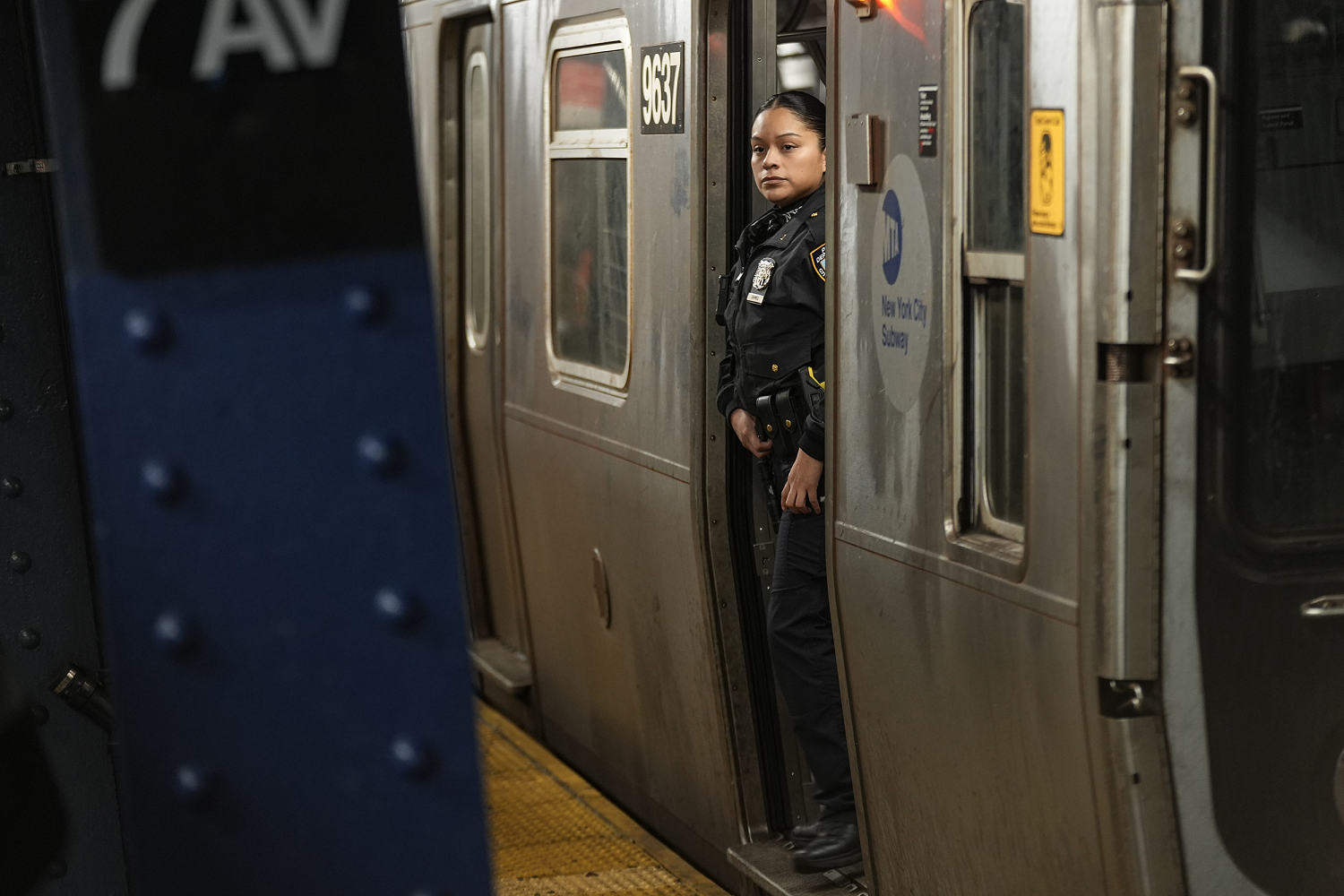
Gunfire in a crowded Manhattan subway station will never feel ordinary. Even when the statistics say otherwise.
On October 17, 2026, just before 12:30 p.m., a fatal shooting on the northbound E train platform at the Seventh Avenue and West 53rd Street station killed 26-year-old Darrel Rodriguez of the Bronx. At first, the NYPD had no one in custody and released surveillance photos of a suspect in a red tracksuit, black vest, and black mask while asking the public for tips. Five days later, on October 22, police announced the arrest of a 17-year-old male on murder and weapons charges.
If you ride the subway regularly, you already know how fast a headline like that changes the mood inside a train car. People look up from their phones. They watch the doors a little closer. They wonder whether a random commuter was caught in crossfire or whether something else triggered the violence.
Here is what actually happened in that Midtown case, why the bigger safety picture in New York City is more complicated than a single news alert, and what riders can realistically do when things go sideways underground.
How the Midtown Subway Station Shooting Unfolded
Early coverage of a station shooting almost always leaves big questions hanging. In the hours right after the Seventh Avenue and West 53rd Street gunfire, riders heard accounts of a masked gunman fleeing on foot, witnesses dropping to the floor, and commuters rushing out of the station as shots rang out.
Once detectives pieced together the sequence, a sharper picture emerged. According to NYPD investigators, the shooting wasn't a random attack on an uninvolved bystander. Police said an argument started between two men on the northbound platform, spilled into a subway car, moved back onto the platform, and ended with Rodriguez shot in the chest before paramedics rushed him to Bellevue Hospital, where he was pronounced dead.
That detail matters a lot. Honestly, there's a huge difference between a dispute escalating into gunfire and a gunman firing indiscriminately into a crowd, even though both terrify everyone nearby. When police released images of the suspect and urged the public to call 1-800-577-TIPS or message @NYPDTips, investigators relied on camera footage and community leads during a five-day search that ended with the 17-year-old suspect's arrest.
Still, early reporting often gets messy in the fog of breaking news. Initial dispatches sometimes estimate a victim's age before family notification is complete, or describe a dispute before every witness statement is locked in. Waiting for official updates isn't about ignoring urgency; it's about separating what police know for sure from what people assume in the first ten minutes.
Why Headlines Clash With Transit Crime Numbers
Anyone watching New York City news over the last few years runs into a frustrating contradiction. One day you read about a deadly platform shooting or a violent arrest. The next day, officials point to historic lows in gun violence across the five boroughs.
Both things can be true at the same time, and pretending otherwise doesn't help riders.
According to NYPD crime statistics reported by CBS New York in November 2026, the city recorded its fewest shooting incidents, shooting victims, and murders in recorded history during the first ten months of the year—with 536 shooting incidents, 649 shooting victims, and 230 murders year to date, alongside more than 4,500 illegal guns seized. That followed a milestone 2025 in which the NYPD reported 688 shooting incidents citywide and the safest subway year outside the pandemic since 2009.
At the same time, transit crime hasn't simply vanished. That same November 2026 report noted that subway crimes were up slightly—just over 2%, or 39 more incidents—with experts pointing to ongoing fare evasion as a persistent headache tied to broader disorder in the system.
I've covered and followed urban transit debates long enough to see why people talk past each other on this. Data analysts look at multi-year trends across millions of daily rides and see a system that is statistically far safer than its worst eras. A commuter standing on a platform at noon sees flashing lights, yellow crime-scene tape, and a grieving family in the Bronx. Statistics explain probabilities over time; they don't erase the shock of a single death in a place you walk through to get to work.
There's also a real debate over enforcement and accountability. In cases involving teenage suspects—like the 17-year-old charged in the Seventh Avenue station killing—questions about youth violence, court handling, and prevention run straight into sharp political disagreements. You don't have to agree on every policy lever to see that one shooting inside a major Midtown hub carries weight far beyond its raw statistical share.
What Riders Miss About Underground Safety
Most safety advice for subway riders sounds great on paper and falls apart the moment a train screeches to a halt. Telling people to "stay alert" is easy. Figuring out what that actually looks like when you're tired, carrying groceries, and staring at a screen is harder.
In my experience watching how seasoned commuters move through crowded stations, small habits make a bigger difference than dramatic reactions:
- Pick your car and door with intent. Boarding near the front or middle cars where conductors, crew members, or station personnel are closer—and avoiding isolated cars late at night—gives you faster options if a disturbance starts.
- Don't get pulled into platform arguments. When two people start yelling near the tracks or inside a doorway, step away immediately. Disputes that flare up in tight spaces can turn physical or lethal in seconds, as investigators said happened on the Seventh Avenue platform.
- Know the station layout before trouble starts. Knowing where the nearest stairs, exit turnstiles, or police presence are located helps you move purposefully instead of freezing when a crowd surges.
- Use official channels if you see or know something. If you witness a crime or recognize a suspect from a police bulletin, contact 911 for emergencies or use the NYPD Crime Stoppers hotline at 1-800-577-TIPS (8477) rather than confronting anyone yourself.
What doesn't work? Assuming that a busy midday crowd guarantees zero risk, or letting a single violent incident trick you into making panicked decisions without context. Midtown hubs like Seventh Avenue and West 53rd Street see tons of commuters and visitors every single day; high foot traffic brings visibility, not a force field.
Practical Next Steps After a Transit Incident
If you're following the case or riding through Midtown and want concrete ways to stay informed and prepared without living in fear, take a few practical steps:
- Check official NYPD and MTA updates rather than rumor threads. Social media clips right after a shooting often strip away context or spread bad information about suspects and motives. Rely on verified police releases and established local outlets for confirmed developments.
- Save key reporting numbers before you need them. Keep the NYPD Crime Stoppers number (1-800-577-TIPS) handy, and know that in an immediate emergency on a train or platform, alerting train crew or calling 911 is the fastest way to get help dispatched.
- Review your own daily commute routine. Look at the stations and times you travel most often, notice where exits and help points sit, and adjust small habits—like keeping one ear free from headphones when walking through quiet passages—so awareness becomes automatic rather than stressful.