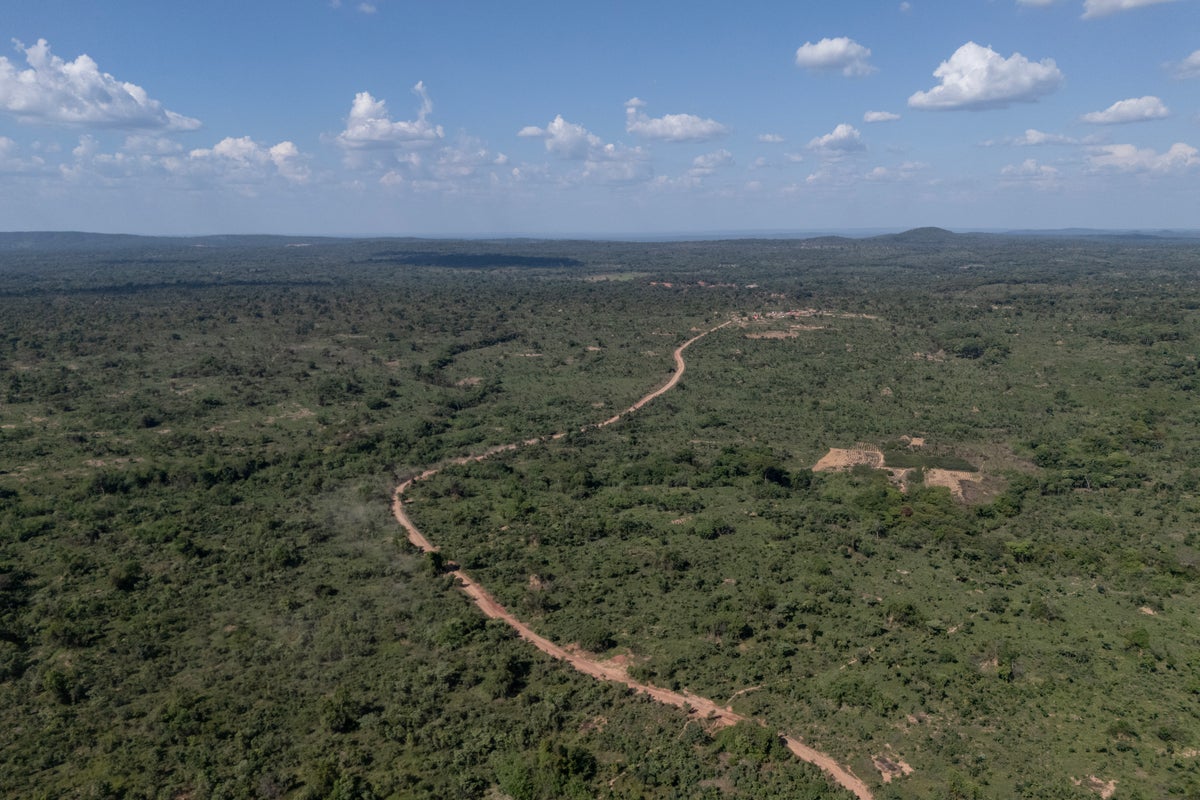
We like to think conservation is simple. Put a fence around the trees, hand out foreign aid checks, and hope the local poverty evaporates. It never works. In places like the Democratic Republic of Congo, holding onto the world’s second-largest rainforest requires money—real, substantial wealth generated from within. Lee White, the former environment minister of Gabon, argues that the green transition's insatiable hunger for critical minerals could provide that exact financial engine.
It sounds counterintuitive. How can digging holes in the ground protect a fragile ecosystem? The answer lies in the failure of traditional foreign aid and the brutal reality of local economics. If you tell a nation sitting on trillions of dollars worth of copper, cobalt, and coltan to stay poor just to keep trees standing, you are setting conservation up for failure. For another look, read: this related article.
The Broken Promise of Foreign Aid
For decades, wealthy nations have flown into Africa with grand promises. They hold climate summits, pledge billions in carbon credits, and promise compensation for keeping forests intact. Then the money vanishes into bureaucratic delays.
Take the Congo Basin pledges made at COP26 in Glasgow. Years later, only a fraction of that money has actually hit the ground. When developing nations rely on aid that never arrives, they are left with empty treasuries and surging youth populations needing jobs. You cannot eat carbon credits. You cannot fund schools or hospitals with moral support from European capitals. Related coverage regarding this has been provided by Financial Times.
When foreign aid fails, communities turn to whatever keeps them alive. That means illegal logging, bushmeat poaching, and unregulated artisanal mining that tears right through protected park boundaries. If we want to save the rainforest, we have to stop treating local nations as charity cases and start treating them as economic powerhouses.
Mineral Wealth Versus Ecological Collapse
The global demand for transition metals is rewriting international trade. Electric vehicles, wind turbines, and grid-scale batteries require massive amounts of copper and cobalt. The DRC alone holds a massive share of global cobalt reserves and some of the highest-grade copper deposits on earth.
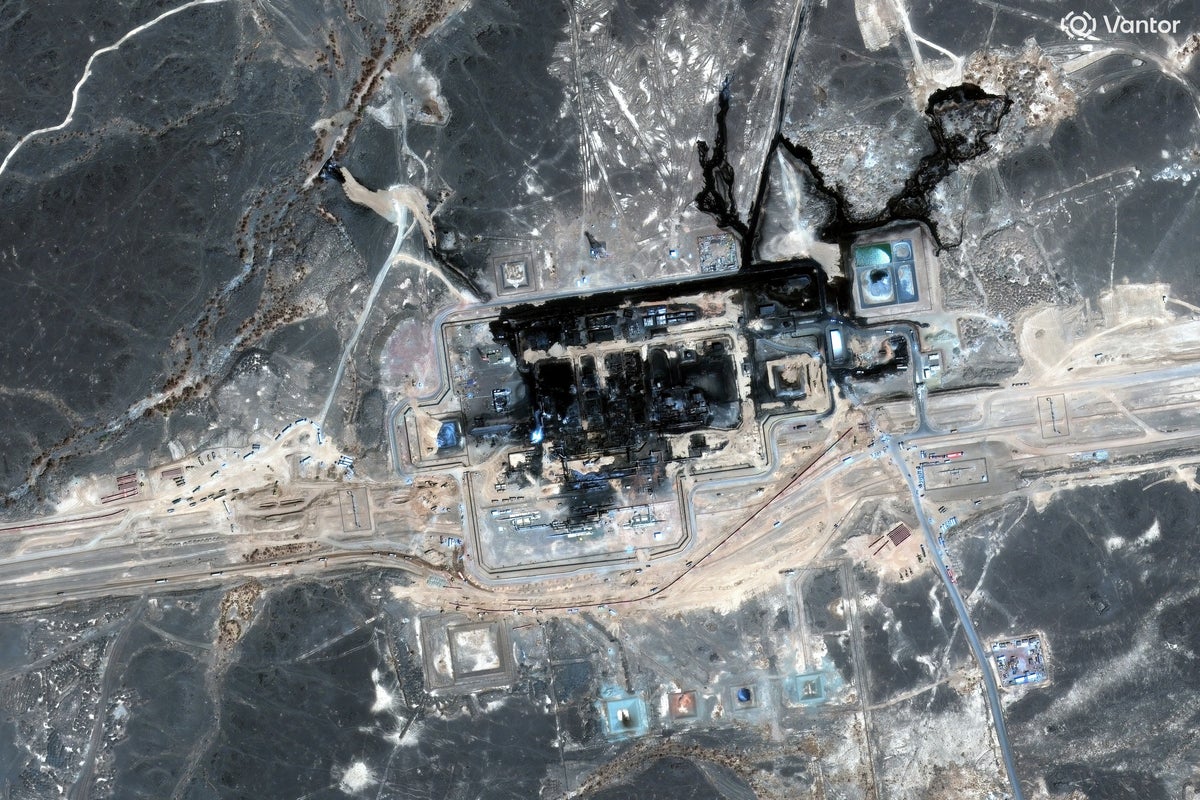
The traditional environmental take views every mining permit as a death sentence for the canopy. But White points out that the destruction isn't caused by mining itself; it is driven by weak governance and stolen resources. In eastern Congo, illicit mining networks and armed groups siphon wealth across borders, leaving behind environmental ruin and zero local benefit.
When extraction is chaotic and criminal, nobody invests in remediation. But structured, high-standard industrial mining backed by international partners changes the math. Responsible mining companies operate under intense public scrutiny. They build infrastructure, pay taxes, and generate the multi-billion-dollar revenues governments need to fund professional park rangers, scientific monitoring, and anti-poaching units.
Building Wealth Instead of Exporting Poverty
The core problem of African resource extraction has always been a lack of local value capture. Raw materials get shipped out, processing happens elsewhere, and local communities are left with polluted rivers and impoverished villages.
Fixing this means changing how rich countries engage with resource-rich states. Instead of lecturing governments to lock their gates, developed economies should export their regulatory frameworks, engineering expertise, and capital to help nations extract minerals cleanly.
When a government generates robust domestic revenue from mining operations, it gains fiscal independence. It can afford to pay its own conservationists, establish strict zoning laws, and enforce environmental impact assessments without waiting for Western donors to wire funds.
Conservation cannot survive on pity and empty promises. It requires money, stability, and jobs that pull people out of subsistence poverty. By cleaning up the supply chain and turning mineral wealth into national prosperity, the Congo Basin might just fund its own survival.