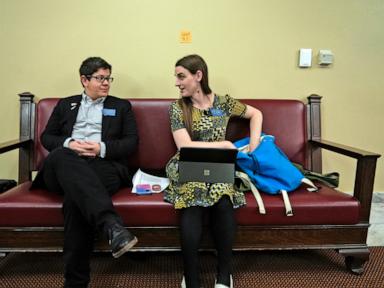
Most political coverage of Montana House Democrats electing Rep. Zooey Zephyr as House Minority Leader in November 2024 treated the vote primarily as a milestone in representation. While Zephyr became the first openly transgender and nonbinary person to lead a legislative caucus in the United States, reducing that decision to symbolism overlooks the practical mechanics of legislative strategy, caucus mathematics, and rural state politics.
To understand why the Montana House Democratic caucus made this choice—and why political observers hold competing views on what it means—it helps to examine both the historical context of the legislature and the strategic calculations facing a party in a deep-red state.
The Context Behind the Vote
In November 2024, following a general election in which Republicans expanded their majorities in Montana, House Democrats met to select their leadership team for the 2025 legislative session. According to reporting from the Associated Press and the Montana Free Press, the caucus elected Zooey Zephyr, a representative from Missoula, to serve as House Minority Leader, alongside Katie Sullivan as Minority Whip.
Zephyr first entered the national spotlight in April 2023 when the Republican-led House voted to censure and bar her from the House floor for the remainder of the session following her remarks during a debate over a bill banning gender-affirming medical care for minors. In November 2024, Zephyr won re-election in House District 95 with more than 80% of the vote.
Why National Coverage Overlooks Legislative Mechanics
National outlets largely framed the leadership vote around identity and historical firsts. While those elements are factual, political scientists and statehouse reporters point out that internal caucus elections are rarely decided on symbolism alone.
Caucus Size and Supermajority Dynamics
In the 2023 session, Montana Republicans held a two-thirds supermajority, allowing them to override gubernatorial vetoes and propose constitutional amendments without Democratic votes. In the 2024 elections, Democrats gained enough seats to break that supermajority in the House—moving to 42 seats out of 100, according to Montana Secretary of State election results. When a minority party holds enough seats to block constitutional amendments and sustain vetoes, the role of the minority leader shifts from purely symbolic opposition to procedural leverage and coalition negotiation.Fundraising and Media Visibility
In state legislatures with part-time schedules and limited institutional resources—Montana's legislature meets for 90 days every two years—caucus leaders are heavily responsible for candidate recruitment and fundraising. Analysts note that Zephyr's national profile brought unprecedented donor attention and small-dollar fundraising capacity to Montana legislative races, an asset for a caucus seeking to defend newly won seats in urban and suburban districts like Missoula, Bozeman, and Helena.Parliamentary Procedure Over Rhetoric
Legislative leadership requires mastery of House rules, committee assignments, and floor tactics. Supporters within the caucus pointed to Zephyr's familiarity with procedural rules during the 2023 session and her ability to coordinate messaging across a geographically diverse caucus that includes both urban progressives and moderate Democrats from rural or tribal districts.
Competing Perspectives on the Strategic Impact
Political observers, strategists, and Montana residents hold differing views on how this leadership choice affects the Democratic Party's long-term prospects in the state.
Arguments That the Decision Strengthens the Caucus
- Energizing Core Voters and Urban Districts: Political analysts interviewed by regional outlets like the Montana Free Press noted that Democrats' recent gains have been concentrated in growing university and urban hubs. Elevating a leader who resonates strongly with younger and urban voters aligns with where the party is actively winning seats.
- Nationalized Attention as a Resource: In an era where state-level politics often struggles for media coverage, having a leader who commands national press attention ensures that debates over housing, property taxes, and public education in Helena receive broader scrutiny.
- Representation and Institutional Voice: Advocacy organizations, including the LGBTQ+ Victory Institute, emphasized that having an openly transgender lawmaker in formal leadership alters how legislative debates over civil rights and healthcare are conducted inside the capitol.
Arguments That the Decision Carries Electoral Risks
- Appealing to Rural and Swing Voters: Conversely, some moderate strategists and political commentators—including analysis featured in outlets such as Politico and regional opinion pages—have argued that Montana remains a heavily conservative state where Donald Trump won by nearly 20 percentage points in 2024. Critics contend that elevating a prominent progressive figure from Missoula could make it harder for Democrats to win back rural, agricultural, and working-class voters in eastern Montana.
- Partisan Friction in the Chamber: Because of the 2023 censure vote, some observers questioned whether tensions between Zephyr and Republican House leadership could complicate behind-the-scenes negotiations on bipartisan priorities such as infrastructure, state budgets, and property tax relief. Zephyr and Republican Speaker Brandon Ler both stated after the leadership elections that they intended to work professionally on legislative business.
What Questions Readers Actually Need Answered
When national audiences read about a transgender lawmaker leading a legislative caucus in a conservative state, common questions center on how such an outcome happens in a place like Montana and what actual power the position holds.
How can a conservative state produce a progressive minority leader?
Montana's political geography is sharply divided between conservative rural counties and progressive urban centers like Missoula, which has a long history of electing progressive lawmakers. Within a Democratic caucus composed largely of representatives from those urban centers and Native American reservations, a lawmaker from Missoula reflects the ideological center of the remaining Democratic coalition rather than the statewide electorate as a whole.What power does a House Minority Leader actually have?
In the Montana House, the minority leader does not control which bills reach the floor or which party chairs committees—those powers belong to the Speaker of the House. However, the minority leader assigns Democratic members to committees, manages floor debate strategy, negotiates procedural agreements with the majority leadership, and serves as the primary public spokesperson for the caucus. With 42 seats, the minority leader also coordinates the votes needed to block constitutional amendments, which require a two-thirds majority (67 votes in the House, or 100 across both chambers combined).
Practical Takeaways for Following Statehouse Politics
Evaluating leadership decisions in state legislatures requires looking beyond national media narratives and examining institutional incentives:
- Separate Statewide Margins from District Realities: Statewide presidential results do not dictate legislative leadership; legislative caucuses reflect the specific districts a party is capable of winning.
- Watch Committee Assignments and Vote Counts: The true test of a minority leader in a 58–42 chamber is whether the caucus stays unified on key procedural votes and successfully negotiates amendments on budget and tax legislation.
- Track Fundraising and Recruitment Cycles: Beyond floor speeches, a caucus leader's measurable impact appears in the following election cycle's candidate filings and campaign finance reports.
Ultimately, the election of Zooey Zephyr as Montana House Minority Leader reflects both a historic milestone in American political representation and a calculated organizational choice by a minority caucus adapting to a polarized, resource-constrained legislature. How effectively that strategy translates into legislative leverage and future electoral gains will be decided not by national headlines, but by vote counts on the Helena House floor and ballot boxes across Montana's legislative districts.


