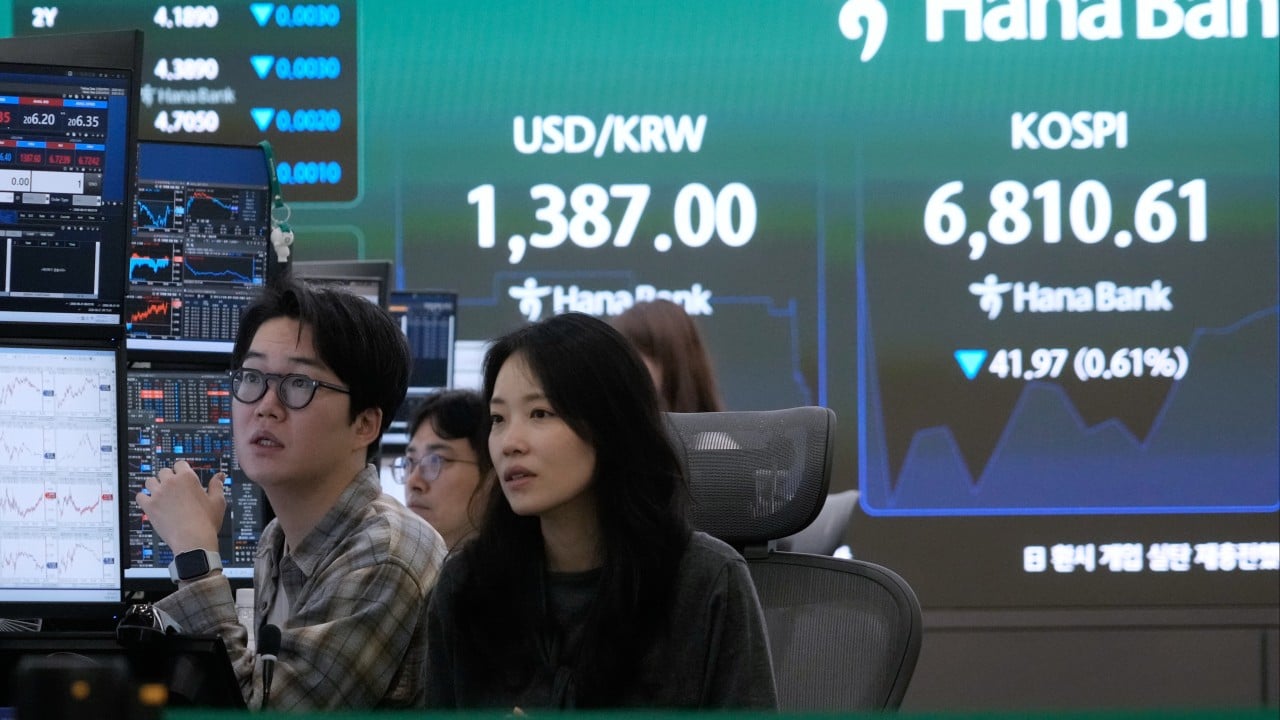
The screen glowed a toxic shade of neon green. It was four in the morning in a cramped apartment overlooking the concrete expanse of Seoul, and Min-soo was watching numbers dance. Not just numbers. Money. Money that multiplied while he slept, while he ate, while he blinked.
He called it donghak gaemi, the movement of the ant investors. Millions of ordinary South Koreans—office workers, taxi drivers, university students, grandmothers nursing tired knees—had collectively decided that the old rules of survival no longer applied. You could not save your way to a home in Gangnam on a salary that crawled upward by three percent a year. You had to leap. You had to buy the dip. You had to own a piece of the engine driving the country forward. For a different view, see: this related article.
Phones buzzed continuously with trading alerts. Coffee cups piled up beside keyboards. Everyone knew someone who had turned a month's salary into a down payment on a Tesla or a blue-chip tech stock. The air crackled with a dangerous, intoxicating electricity.
Then came the red. Related coverage regarding this has been provided by MarketWatch.
The Gravity of the Margin Call
Debt is a quiet thing until it is an avalanche.
To understand what happened to South Korea's retail trading frenzy, you have to look past the macroeconomics and stare directly at the kitchen table. When interest rates hovered near zero and housing prices soared past the stratosphere, the stock market became the only open door left in a burning building. People borrowed. They borrowed from banks. They borrowed from friends. They used credit lines called debt-to-income levers that stretched ordinary budgets to breaking points.
Consider a hypothetical teacher named Ji-young. She put thirty thousand dollars of her own savings into margin accounts, magnifying her exposure two- or threefold. When the market surged during the pandemic era, her portfolio resembled a lottery win. She felt invincible. She started looking at advertisements for luxury apartments, calculating how many more months of twenty percent returns she needed before she could hand in her resignation letter.
She forgot about gravity.
Markets do not move in straight lines. When global inflation spiked, central banks began tightening the screws. Interest rates climbed. The cost of borrowing money to buy stocks suddenly eclipsed the returns those stocks were generating. The neon green flipped to crimson.
Margin calls arrived like midnight telegrams from a debt collector. Sell now, or lose everything.
The Anatomy of a National Fever
South Korea has always been a society of high stakes and high intensity. This is a culture that forged an economic miracle from the ashes of war in a single generation, driving its children through twelve-hour school days and marathon cram schools. The national psyche understands extreme effort. When that intensity pivoted toward the Korea Composite Stock Price Index, it did not act with cautious diversification. It acted with absolute devotion.
Day trading became a communal sport. Breakrooms buzzed with stock tickers instead of weather complaints. YouTube channels hosted by charismatic analysts drew millions of subscribers, offering get-rich-quick mantras wrapped in complex technical jargon.
The statistics tell a stark story, but numbers are cold. Millions of retail accounts flooded the Korea Exchange. Household debt ratios climbed among the highest in the developed world. People were not investing for retirement thirty years down the line; they were trading futures contracts on their lunch breaks to pay next month's rent.
It was a national lottery where everyone believed they held a winning ticket because the guy next to them bought one too.
When the Music Stopped
The silence that follows a financial collapse is heavy.
By the time the correction deepened, the chat rooms went quiet. The exuberant YouTube hosts changed their video thumbnails from smiling faces to somber, neutral tones. Min-soo sat in his apartment, staring at a portfolio value down eighty percent. The margin calls had cleared out his account, leaving him not just back where he started, but deep in the red.
The human cost cannot be measured solely in lost won. It measured itself in broken sleep, postponed marriages, and quiet humiliations. Young people who had dreamed of independence found themselves moving back into their childhood bedrooms, owing thousands to commercial banks with no quick way out. The psychological toll of a lost financial gamble in a high-pressure society leaves scars that do not show on an income statement.
Yet, life in Seoul resumed its relentless march. The subways still ran on time. Office workers in crisp white shirts still rushed out of station exits at eight in the morning, their coffees clutched tightly in their hands.
The neon green screen had faded to black, leaving behind a hard, sobering truth about the difference between chasing wealth and building a life.
The ants returned to the earth, carrying the heavy memory of a time when they thought they could move mountains with a smartphone screen.