Water does not care about lines drawn on maps.
When the monsoon swells and the rivers of the Himalayas break their banks, the torrent does not pause at a checkpoint to inspect passports or verify sovereign claims. It simply cascades downward, carving through terraced farms, swallowing mud-brick homes, and depositing silt across valleys that stretch between nations.
To understand what is happening in the foothills of South Asia right now, you have to look past the satellite imagery of swollen brown rivers. You have to stand in the red mud of a valley floor in Nepal, where an elderly farmer named Ram Bahadur watches the remnants of his maize harvest drift away on a turbulent current.
Ram does not know the diplomatic terminology for cross-border water management. He does not know the protocol for climate reparations. He only knows that the water destroying his livelihood did not originate entirely in his own backyard. It gathered strength from melting glaciers and unprecedented cloudbursts across a vast geographic theater, driven by atmospheric engines that belong to no single government, yet are fueled by the collective emissions of industrial giants.
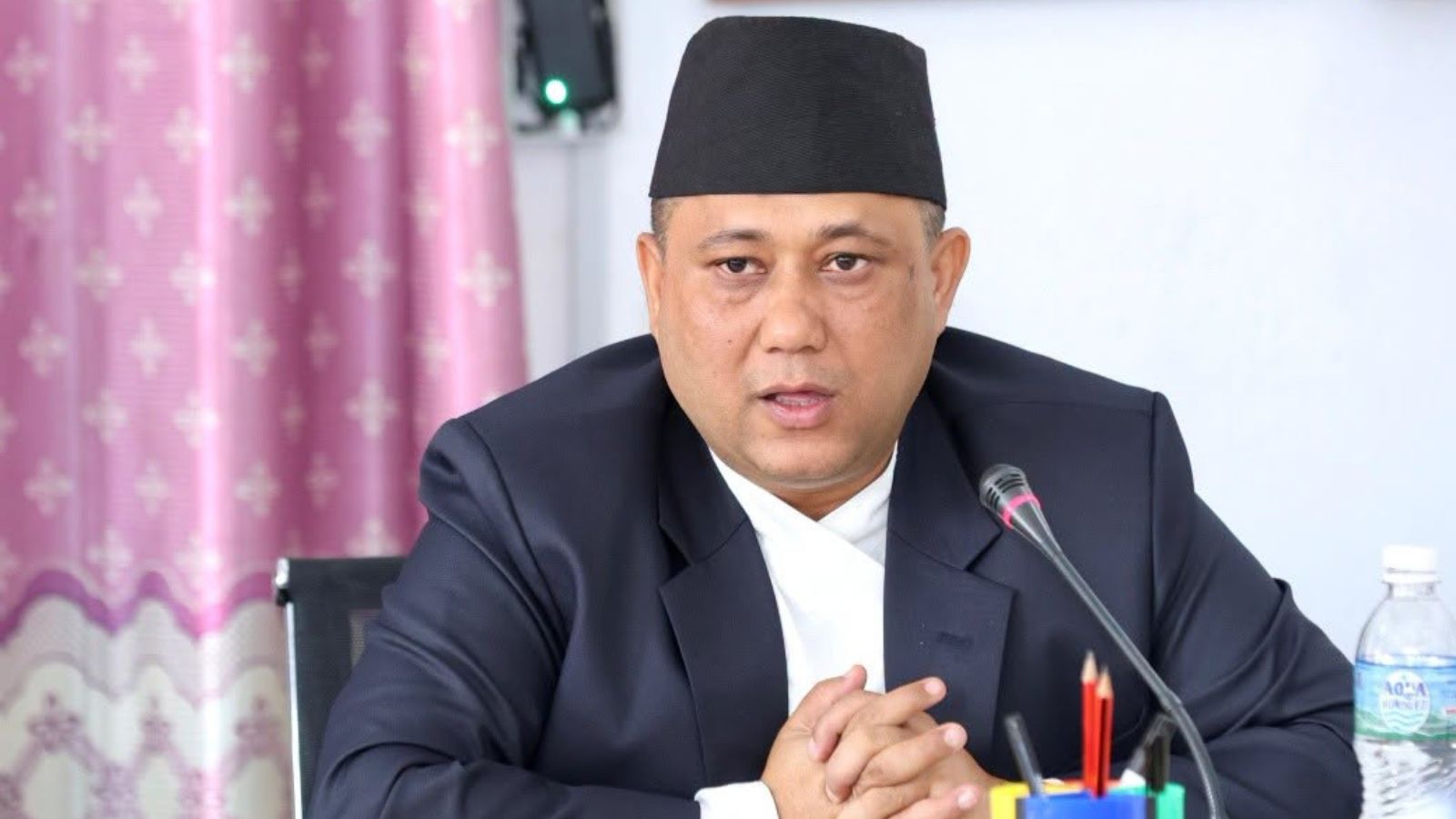
When a Nepali minister recently stood before the international community and demanded justice rather than mere charity, he was voicing a fundamental shift in how vulnerable nations view disaster. Charity arrives in crates of bottled water and bags of cheap rice after the waters recede. Charity is temporary. Charity leaves the victim perpetually waiting on the porch, palm up, grateful for whatever scraps the global north or regional superpowers decide to spare.
Justice is entirely different. Justice looks at the systemic architecture of the climate crisis and asks why the nations with the largest carbon footprints should not bear the cost of the floods they helped orchestrate.
Consider the sheer geography of vulnerability. Nepal contributes a fraction of a percent to global carbon emissions. Yet, it sits on the front lines of glacial melt, bearing the brunt of erratic monsoon cycles. When glacial lakes breach, entire communities downstream are wiped out within minutes. The rivers that feed millions carry a dual personality: life-giving veins during the dry season, and catastrophic executioners during the monsoon.
India and China, economic powerhouses flanking this Himalayan nation, share these massive river basins. Their sprawling industrial economies pump greenhouse gases into the atmosphere at volumes that dwarf Nepal's modest footprint. Meanwhile, the United States, thousands of miles away, remains one of the historical architects of cumulative global emissions.
When the minister pointed a finger toward New Delhi, Beijing, and Washington, he was not merely engaging in political posturing. He was mapping out accountability.
Water governance in this region has historically been treated as a technical puzzle of dams, embankments, and bilateral treaties negotiated behind closed doors. Engineers argue over cubic feet per second. Diplomats haggle over irrigation rights. But these bureaucratic frameworks were built for a climate that no longer exists. They assume predictable weather patterns. They assume that historical averages will dictate future floods.
They are wrong.
The monsoon has become erratic, weaponized by a warming planet. The old treaties do not account for cloudbursts that drop a month's worth of rain in twenty-four hours. They do not account for glacial outburst floods that turn quiet alpine streams into walls of ice and debris.
When disaster strikes, the immediate response is always a frantic scramble. Helicopters hover. Politicians issue statements of condolence. Aid pledges are announced with great fanfare on evening television broadcasts.
Then the cameras leave.
The real struggle begins after the news vans depart. It is the struggle of a mother trying to sterilize drinking water for her infant when the wells are choked with silt. It is the agony of a small business owner who took out a high-interest local loan to stock his shop, only to find his inventory washed into the next district. It is the quiet desperation of families living in temporary tarps while the monsoon threatens to return for a second round.
This is where the demand for justice becomes visceral.
If a factory upstream poisons a river, the downstream community does not beg for charity; they demand liability. They demand cleanup costs, structural reform, and compensation for damages. Why should atmospheric pollution operate under a different moral code?
The emissions generated in distant megacities have direct, measurable consequences in the remote valleys of the Hindu Kush Himalaya. Every ton of carbon contributes to the atmospheric warming that destabilizes these slopes. Every delayed mitigation policy in Washington, Beijing, or New Delhi adds another millimeter to the rising vulnerability index of South Asian villagers.
To reframe this as a matter of justice rather than aid is to rewrite the contract between nations. It shifts the dynamic from benefactor and beggar to polluter and victim. It demands structural financing that goes beyond emergency relief packages—investments in early warning systems, climate-resilient infrastructure, livelihood diversification, and ecological restoration that respects the natural flow of the earth.
Back in the valley, Ram Bahadur clears a fallen branch from what used to be his front gate. The sun is breaking through the heavy gray clouds, glinting off the thick layer of silt coating the courtyard. The river has returned to its banks, leaving behind a scarred landscape and an uncertain future.
The water is gone. The responsibility remains.