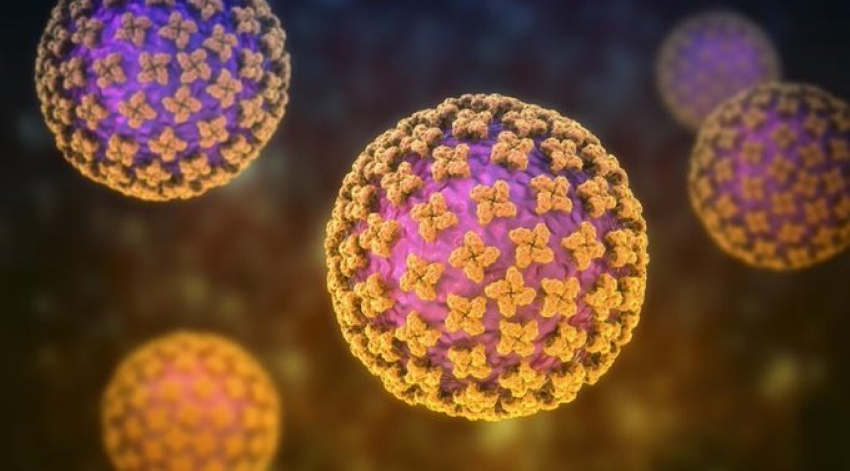
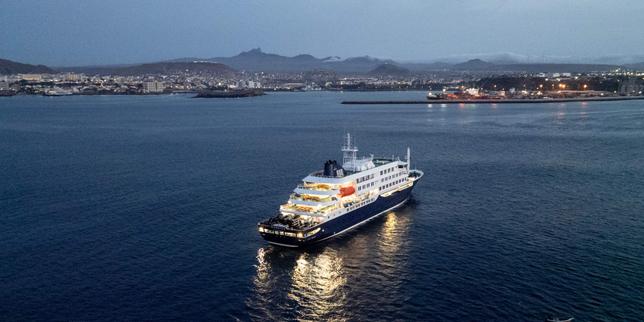
Panic at sea isn't usually about icebergs anymore. It's about what you can't see. When the MV Hondius, a polar expedition ship operated by Oceanwide Expeditions, faced its first death from Hantavirus, the messaging from the bridge didn't just miss the mark. It created a dangerous precedent. You'd think a high-end cruise ship would have a tighter grip on crisis communication, yet the captain told passengers the ship was "not infectious" shortly after a crew member died. That's a bold claim. It's also a fundamentally misunderstood one when dealing with a zoonotic virus that kills about 35% of the people it touches.
Hantavirus isn't your run-of-the-mill norovirus. You don't get it from a dirty buffet spoon. You get it from breathing in dried droppings, urine, or saliva of infected rodents. On a ship, that means stowaways. This wasn't just a "medical incident" as some early reports tried to frame it. This was a structural failure in bio-security on a vessel designed to take people to the most pristine environments on Earth.
The Captains Deadly Mistake in Communication
The moment the captain announced the ship wasn't infectious, he was likely trying to prevent a mutiny. I get it. Nobody wants a thousand panicked tourists trapped in a steel can in the middle of the ocean. But saying a ship isn't infectious after a Hantavirus death is medically reckless. While it's true that most strains of Hantavirus—specifically those found in the Americas like the Sin Nombre virus—don't spread person-to-person, the statement implies the danger has passed.
It hasn't.
If one crew member inhaled enough viral load to die, the source is still there. Somewhere in the ventilation, the dry stores, or the cargo hold, there's a rodent problem. That's the "infection." The ship itself becomes the vector. By downplaying the risk, the leadership on the MV Hondius didn't just protect the brand; they potentially delayed people from reporting their own symptoms. Early symptoms look like the flu. Aches, fever, chills. On a cold cruise, you might just think you stayed out on the deck too long looking at penguins. If you don't tell the ship's doctor because the captain said everything is fine, you're in trouble.
What Hantavirus Actually Does to the Body
You need to understand the stakes here. This isn't a 24-hour stomach bug. Hantavirus Pulmonary Syndrome (HPS) is a brutal way to go. Once the initial "flu" phase passes, your lungs start filling with fluid. You basically drown from the inside out.
The CDC and the World Health Organization have been tracking these spikes for years. Most cases happen in rural areas, barns, or dusty sheds. Seeing it on a modern expedition ship like the MV Hondius is a massive red flag. It suggests that the "expedition" aspect of these cruises—loading gear, food, and supplies in remote ports—is introducing mainland pests to the ship's ecosystem.
The mortality rate is terrifying. Unlike COVID-19 or the common flu, where the vast majority of people recover with some rest, Hantavirus has no specific cure or vaccine. You get supportive care. You get put on a ventilator. You hope your immune system wins. When a captain says a ship is "safe," he's gambling with those odds. Honestly, it's a bet no passenger signed up for.
Why Polar Ships Are Unique Targets for Rodents
You might wonder how a mouse gets onto a high-tech vessel in the first place. Ships are basically floating cities with endless nooks and crannies. The MV Hondius is an "Ice Class 6" vessel. It's tough. But it still needs to be provisioned.
When these ships dock in South American ports like Ushuaia, they're taking on massive amounts of fresh produce and dry goods. Rodents love pallets. They love dark, warm engine rooms. In the cold climate of the Antarctic or the sub-Antarctic islands, the ship is the only warm place for miles. It's a magnet.
The real failure here isn't that a mouse got on board. That happens. The failure is the lack of a transparent protocol once the virus was identified. International maritime law is pretty clear on reporting illnesses, but there's a huge grey area when it comes to "marketing" that news to the passengers. Oceanwide Expeditions had a responsibility to be hyper-transparent, not dismissive.
The Gap Between Maritime Law and Passenger Safety
Most people think the captain's word is law. It is. But that doesn't make it right. There's a massive conflict of interest when the person responsible for your safety is also responsible for the ship's schedule and the company's bottom line.
If the ship is declared "infectious" or a biohazard, the cruise is over. Refunds start. Lawsuits fly. The ship might be barred from entering its next port. By saying "it's not infectious," the captain keeps the gears turning.
We saw this during the early days of 2020 with various cruise lines. History repeats itself because the incentives haven't changed. The maritime industry needs a third-party medical override in these situations. A captain shouldn't be the one interpreting virology to a crowd of scared travelers.
How to Stay Safe on an Expedition Cruise
If you're booked on a polar expedition, don't cancel your trip, but do change your habits.
- Check the ship's sanitation scores. Every major cruise line has a history of health inspections. Look for "Vessel Sanitation Program" scores if they're available.
- Be the "annoying" passenger. If you see signs of rodents—droppings in your cabin or gnawed packaging in the pantry—report it immediately. Don't wait.
- Take symptoms seriously. If you develop a fever or shortness of breath, don't assume it's a cold. Tell the medical staff you're concerned about Hantavirus specifically.
- Demand transparency. If a medical emergency happens on board, ask for the specific diagnosis. You have a right to know if you've been exposed to a high-mortality pathogen.
The MV Hondius incident is a reminder that "luxury" is just a thin veneer over the realities of ocean travel. Nature is messy. It's unpredictable. But human error—specifically the error of ego and bad communication—is what usually turns a problem into a tragedy.
If you're currently traveling or planning a trip to South America or the Antarctic, keep a close eye on local health advisories regarding rodent-borne illnesses. The "not infectious" line is a comfort blanket, not a medical fact. Stay skeptical and stay vocal about your health. If the bridge won't give you the full story, you have to be the one to find it.