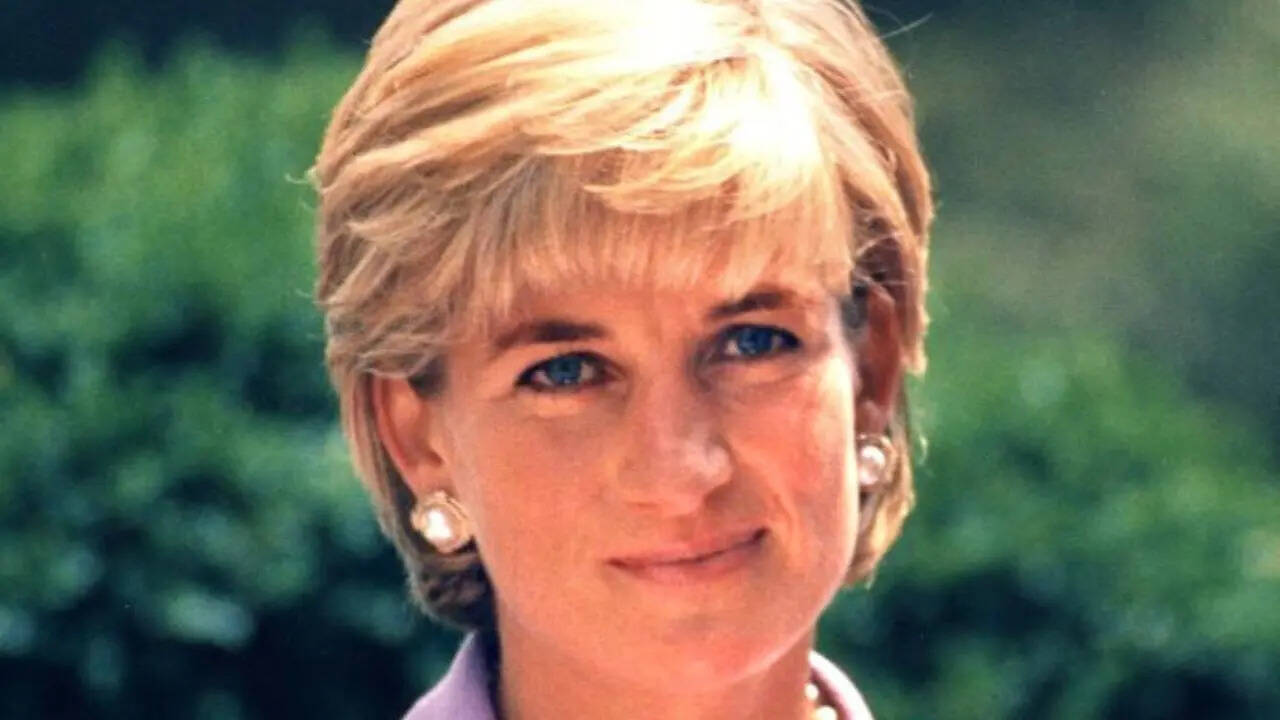
The modern fixation on weaponized niceness misses the point entirely. Every day, millions of people scroll past digital billboards, social media feeds, and greeting cards bearing a famous, truncated directive from Princess Diana to carry out a random act of kindness with no expectation of reward. It is a beautiful sentiment on paper. It suggests that small, spontaneous gestures can ripple across a fractured society and heal deep cultural wounds.
But the reality of human behavioral psychology and modern social dynamics tells a completely different story. Random acts of kindness, while comforting to the giver, rarely create sustained positive change for the recipient or the community at large. True social cohesion requires systemic, deliberate efforts rather than sporadic bursts of good intentions. By treating kindness as a lottery ticket distributed at whim, we ignore the deeper institutional failures that make these desperate acts necessary in the first place.
The Neurological Dopamine Loop of Spontaneous Giving
To understand why random altruism fails to fix larger societal issues, we have to look at what happens inside the brain of the giver. When a person performs an unexpected nice gesture, like paying for a stranger's coffee in a drive-thru lane, their brain releases a cocktail of chemicals, primarily dopamine and oxytocin. This creates what psychologists call the helper's high.
It feels great. The immediate gratification is intense, potent, and deeply addictive.
However, this neurological reward system is inherently self-serving. The drive-thru chain reaction is a perfect case study. When you pay for the person behind you, you trigger a chain of obligation. The next person feels forced to pay for the vehicle behind them, not out of pure altruism, but out of social pressure and guilt. The actual economic benefit to the individuals involved is zero; everyone still buys a coffee. The only entity that wins is the corporation enjoying a bump in positive brand association and guaranteed consecutive sales. The randomness of the act strips it of intentionality, turning a moment of potential human connection into a mechanical transaction designed to boost the giver's mood.
The Hidden Power Dynamics of Disconnected Charity
Kindness is never entirely neutral. When deployed at random without context, it establishes an immediate, albeit temporary, hierarchy between the benefactor and the beneficiary.
Imagine a viral video where a creator hands a hundred-dollar bill to an unhoused individual. The creator receives millions of views, monetization, and public adulation. The recipient receives a momentary financial reprieve but is used as a prop to validate the creator's moral standing. This is the dark underbelly of the modern kindness economy. It relies on the presence of inequality to function.
The Illusion of Impact
When altruism is disconnected from ongoing relationships, it operates as a band-aid on a gunshot wound. A random donation or a passing compliment does nothing to address structural poverty, mental health crises, or systemic isolation.
- Transience: A sporadic gesture lasts only a moment, leaving the recipient in the exact same material condition once the interaction ends.
- Lack of Accountability: The giver walks away immediately after the act, bearing no responsibility for the long-term well-being of the person they allegedly helped.
- Misallocated Resources: Money and energy spent on flashy, spontaneous gestures are diverted away from structured organizations that provide predictable, sustained support.
Decades of sociological research show that communities thrive on predictability, not randomness. A vulnerable person does not need a surprise gift once a year; they need reliable access to food, housing, and healthcare. When we elevate random acts as the pinnacle of moral behavior, we excuse ourselves from the harder work of building dependable support systems.
Why Planned Kindness Outperforms Spontaneous Gestures
If random kindness is a flawed model, the alternative is intentional, structured engagement. This means moving away from the impulse of the moment and toward deliberate commitments.
+------------------------------------+------------------------------------+
| Random Kindness                    | Intentional Commitment             |
+------------------------------------+------------------------------------+
| Driven by immediate emotion        | Driven by discipline and principle |
| Focuses on the giver's feelings   | Focuses on the recipient's needs   |
| Disorganized and unpredictable     | Structured and sustainable         |
| Perpetuates systemic gaps          | Works to close systemic gaps       |
+------------------------------------+------------------------------------+
Consider the difference between dropping loose change into a collection bucket and committing to a weekly volunteer shift at a local literacy program. The volunteer shift requires sacrifice. It forces you to show up when you are tired, to engage with the same individuals over months, and to confront the messy reality of human struggle. There is no quick dopamine hit. There is no viral video. But the long-term impact on the literacy rates of those children is measurable, permanent, and transformative.
The Exhaustion of the Modern Altruism Economy
We live in a culture that commodifies emotion. The pressure to be visibly, performatively kind has created a strange form of moral burnout. People feel overwhelmed by the scale of global problems, so they retreat into micro-gestures. They clean up a single park bench or send a supportive tweet and convince themselves they have contributed to the greater good.
This is a dangerous pacifier. It satisfies the conscience without requiring any real sacrifice of time, wealth, or status.
True altruism is inconvenient. It demands that we look at the structural flaws of our economic and social systems and ask why so many people are left relying on the random kindness of strangers to survive. Princess Diana’s iconic quote was delivered in an era before algorithmically driven validation, but its modern interpretation has been twisted to support a culture of superficial virtue.
Moving Beyond the Random Impulse
Shifting our focus requires a cold, clear-eyed reassessment of how we engage with our communities. It means trading the thrill of spontaneous generosity for the quiet rigor of discipline.
Start by identifying the local institutions that form the backbone of your community. These are the food banks, the legal aid clinics, the youth mentorship programs, and the eldercare networks. They do not operate on randomness. They operate on budgets, schedules, and reliable labor.
Instead of waiting for an emotional impulse to strike you on a Tuesday afternoon, automate your giving. Set up a monthly recurring donation to a mutual aid fund. Dedicate every first Saturday of the month to clearing brush for a local conservation trust. Build a relationship with an isolated neighbor that involves regular, predictable check-ins rather than an occasional wave across the driveway.
The goal should not be to surprise someone with an unexpected gift. The goal should be to build a world where such surprises are entirely unnecessary because everyone's fundamental needs are met with dignity and consistency. Stop chasing the fleeting high of the random gesture. Commit to the heavy lifting of steady, unglamorous showing up.