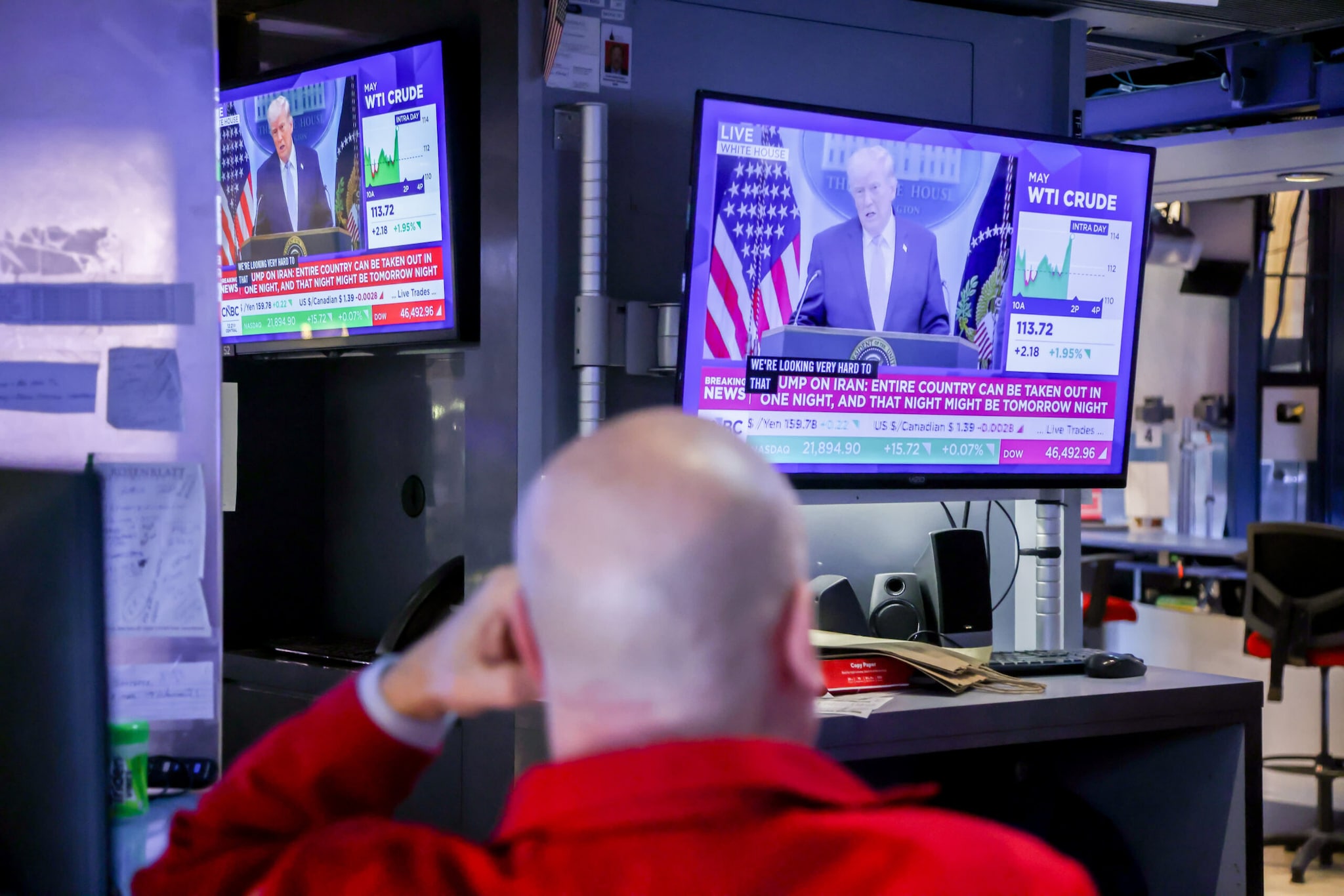
The collective gasp across the geopolitical commentariat when news broke that the Telangana government plans to unveil a road named after Donald Trump in Hyderabad on June 23 was entirely predictable.
Critics instantly lined up to slam the move. They called it a bizarre diplomatic stunt. They labeled it a desperate attempt to flatter an unpredictable American politician. They worried about the optics of an Indian tech hub anchoring its public infrastructure to a highly polarizing global figure.
They are all missing the point.
The mainstream analysis of this move suffers from a chronic lack of imagination. The media is viewing this through the narrow, dusty lens of traditional diplomacy. They think Hyderabad is trying to score points with Washington.
It isn't. This is not a political gesture. It is a high-stakes, hyper-calculated masterclass in global economic branding.
The Foreign Direct Investment Illusion
For the last two decades, cities trying to attract international capital have followed the exact same, tired playbook. They build a shiny technology park, name the access roads after historical figures or generic tech terms like "Innovation Boulevard," and send a delegation to Silicon Valley to beg venture capitalists for a meeting.
It does not work anymore. The global market for tech talent and capital is oversaturated. Every tier-one and tier-two city in Asia, Europe, and Latin America is pitching the exact same narrative: "We have cheap engineers, tax incentives, and a fiber-optic network."
When everything is high-tech, nothing is high-tech. Generic branding breeds generic investment.
Hyderabad, specifically the high-growth IT corridor around HITEC City and Gachibowli, does not need to prove its technical competence. The city already hosts massive operations for Microsoft, Google, and Amazon. The challenge now is moving up the value chain from back-office processing to premium global headquarters.
Naming a prominent arterial road after Donald Trump instantly breaks through the digital noise. It creates an immediate, visceral association with American capital, real estate luxury, and aggressive business culture. Love him or hate him, the Trump brand is universally synonymous with high-value commercial real estate and raw financial power.
The Mechanics of Attention Capital
In the modern global economy, attention is the scarcest resource. Economists call this the "attention economy," a concept pioneered by psychologist and economist Herbert A. Simon. Simon noted that a wealth of information creates a poverty of attention.
When the Telangana government officially opens Trump Road on June 23, they are not just putting up a street sign. They are hijacking the global media cycle for pennies on the dollar.
Imagine a scenario where the state government spent $10 million on international television ads advertising Hyderabad's business infrastructure. The ads would be ignored. Western executives would mute the TV.
By spending a few thousand rupees on a high-grade aluminum street sign bearing the Trump name, Hyderabad secures millions of dollars in earned media coverage across CNN, Fox News, Bloomberg, and the Financial Times. Every global CEO reading the news that morning will have the word "Hyderabad" pushed to the front of their brain, explicitly tied to a massive infrastructure development.
It is a calculated provocation. The controversy is not a bug; it is the core feature.
Decoding the Real Estate Premium
There is a precise corporate mechanism at play here that traditional political journalists completely fail to understand. Real estate values are driven entirely by perception, prestige, and anchor branding.
In commercial real estate, properties located on streets named after iconic business hubs or powerful figures command a measurable premium. Look at Fifth Avenue in New York, Lombard Street in San Francisco, or Canary Wharf in London. The address itself acts as a corporate vetting mechanism.
By designating a major road in Hyderabad as Trump Road, the local municipal corporation is sending an unambiguous signal to international property developers. They are stating that this specific corridor is zoned for ultra-premium, Tier-A commercial real estate. It tells developers that the local government is willing to take bold, unconventional steps to protect and elevate the commercial value of the area.
I have watched cities spend decades trying to build a premium reputation through slow, bureaucratic consensus-building, only to watch their commercial districts stagnate. Hyderabad is bypassing the line.
The Hidden Risk Nobody is Talking About
To be clear, this contrarian strategy is not without its operational hazards. The downside of high-beta branding is the volatility that comes with it.
When you tie a piece of permanent public infrastructure to a active political figure, your municipal brand becomes hostage to events outside your control. A sudden shift in US trade policy, a highly public domestic scandal, or a geopolitical realignment could instantly transform a symbol of premium commerce into a magnet for protests and corporate boycotts.
Multinational corporations are notoriously risk-averse. While the Trump name appeals heavily to private equity investors and real estate tycoons, progressive Silicon Valley tech firms might hesitate to open a massive flagship office on a street that sparks internal HR friction among their global workforce.
It is a calculated gamble. The Telangana government is betting that the hard financial reality of Hyderabad's world-class infrastructure will ultimately outweigh any temporary political squeamishness from Western corporate boards. History suggests they are right. Cash always trumps culture wars.
Dismantling the Colonial Mindset Criticism
The loudest domestic opposition to the June 23 unveiling centers on a flawed premise: that naming Indian infrastructure after a foreign political figure represents a subservient, colonial mindset.
This argument is historically illiterate.
Honoring foreign leaders, thinkers, and historical figures on street signs is a time-honored tradition in global capital cities designed to signal international alignment and cosmopolitan ambition. New Delhi has roads named after Josip Broz Tito, Gamal Abdel Nasser, and Copernicus. Kolkata famously has a major thoroughfare named after Ho Chi Minh.
Nobody accused India of being subservient to Yugoslavia or Vietnam when those signs went up. It was realpolitik expressed through urban planning.
The Trump Road designation is simply the 2026 version of this practice, updated for an era dominated by global real estate and capital flows rather than Cold War alliances. It is an aggressive, hyper-capitalist assertion of Hyderabad's status as a global city that operates beyond provincial boundaries.
Stop looking at the street sign through the lens of your personal political opinions. Start looking at it like a hedge fund manager evaluating an asset class. The Telangana government isn't endorsing a politician; they are capitalizing an asset.
On June 23, when the cloth drops and the name is revealed, don't join the chorus of confused commentators wondering why a southern Indian city is talking about an American billionaire. Look at the real estate prices in the surrounding zip codes over the following twenty-four months. That is where the real answer lies.