Saltwater tastes different when it is laced with sulfur and fear.
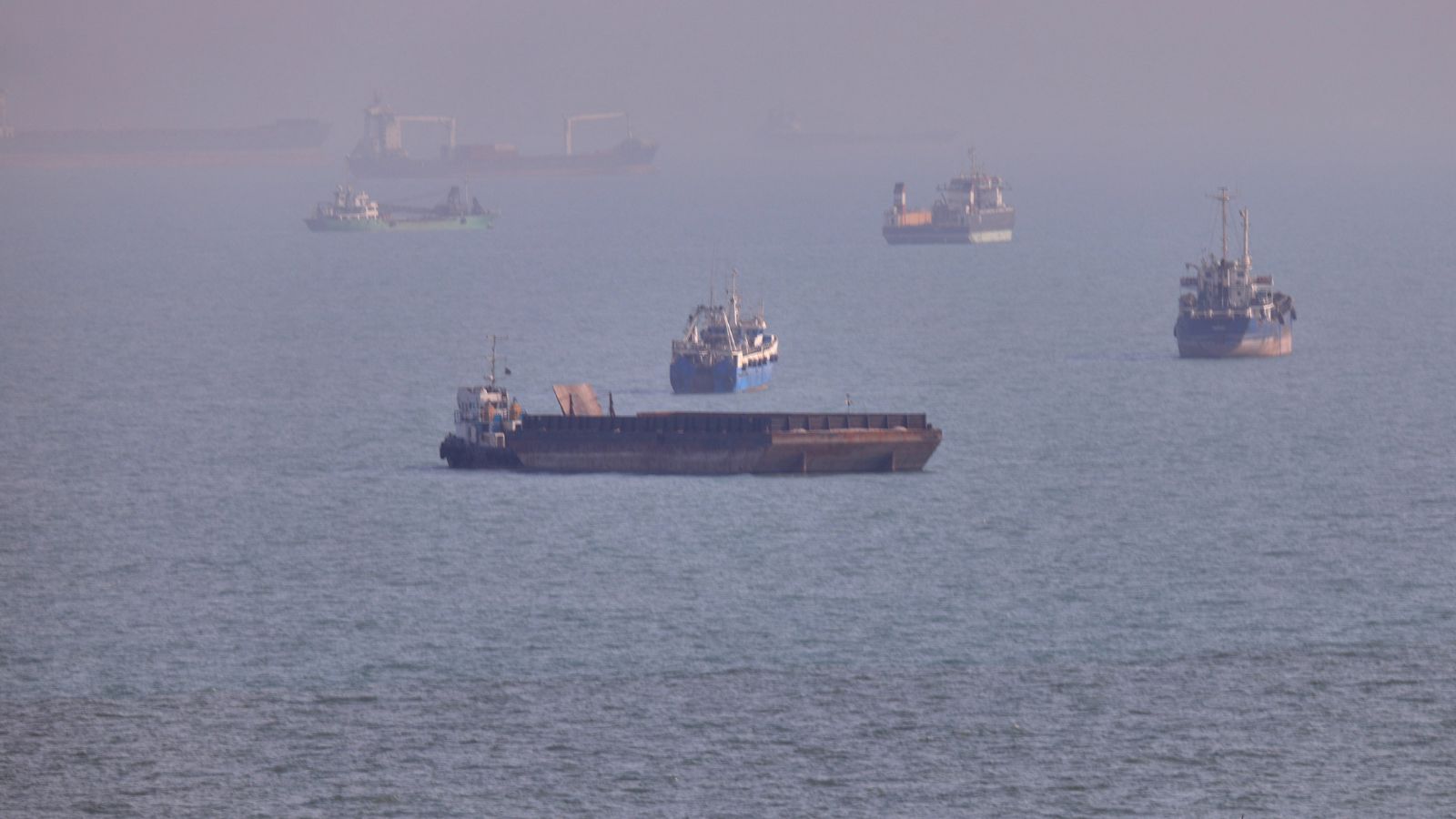
Ask anyone who has stood on the deck of a container ship creeping through the Strait of Hormuz, just twenty-one miles wide at its absolute pinch point, and they will tell you about the silence. It is not a peaceful silence. It is the heavy, suffocating quiet of a hallway where two giants have decided to stand shoulder-to-shoulder, each waiting for the other to blink. Through this narrow carotid artery passes a vast share of the oil that keeps global engines turning, humming, and burning. When the throat closes, the world gasps.
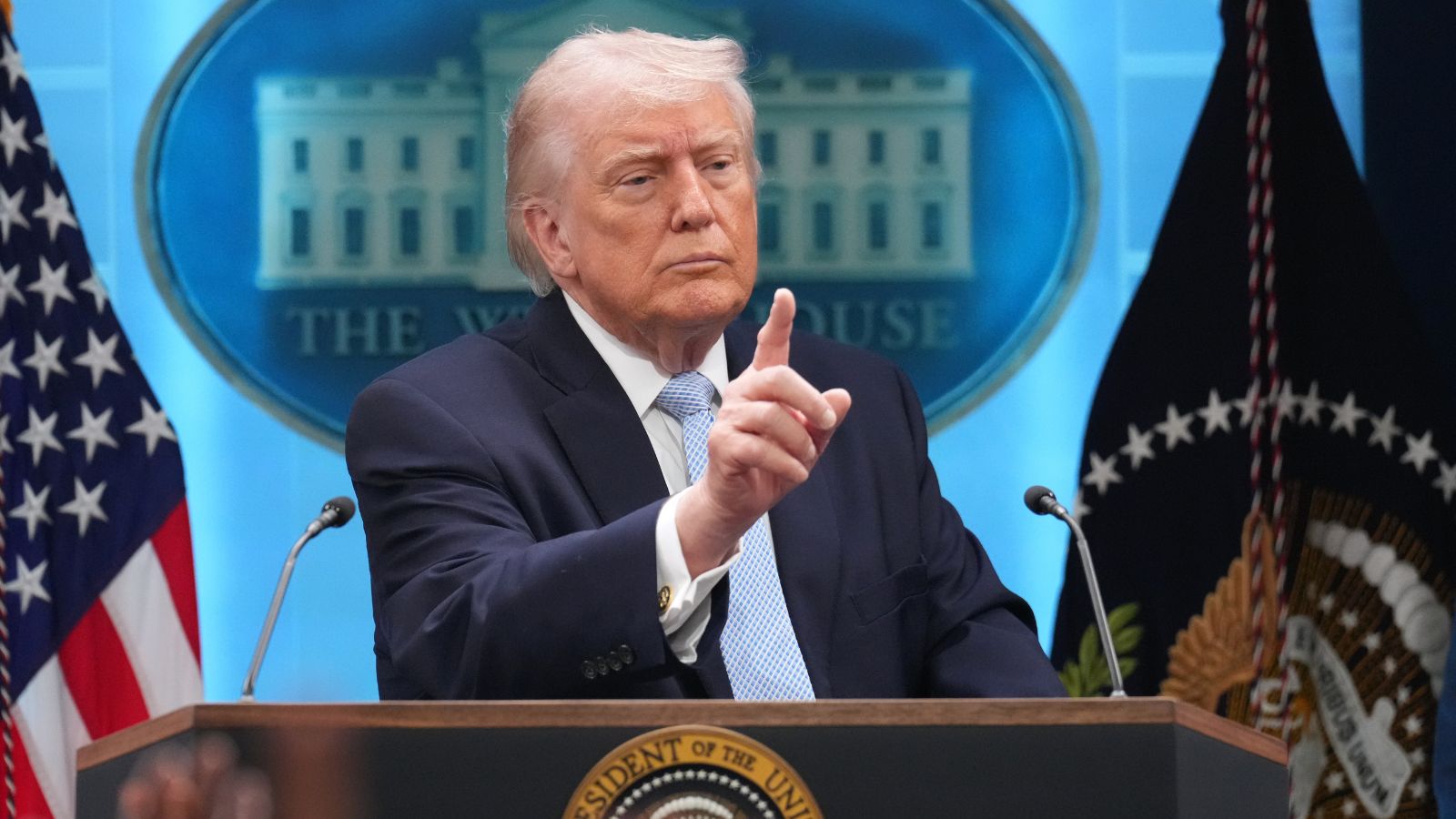
Recent days brought the inevitable collision of rhetoric and steel. U.S. Central Command, operating with the cold geometry of radar screens and missile trajectories, announced precision strikes hitting Islamic Revolutionary Guard Corps targets. Across the globe, the proclamations arrived just as swiftly, with Donald Trump claiming almost total control of the crucial waterway, painting a picture of absolute dominance over a sea lane that has historically resisted being tamed by any single flag.
Yet reality on the water rarely mirrors the clean lines of a press briefing.
Consider a hypothetical captain named Arash, sitting in a windowless wheelhouse thousands of miles away from the Washington briefing rooms and Tehran command bunkers. He does not care about the political theater of total control. He cares about the red-blinking collision warning on his console, the insurance premiums that have multiplied tenfold overnight, and the invisible hum of drone motors that sound like angry hornets in the dark. For Arash, control is not a triumphant headline. Control is making it past Abu Musa island without a speedboat cutting across his bow.
The friction here is ancient, dressed up in modern alloys. The Strait of Hormuz has always been a tollbooth for empires. Centuries ago, wooden dhows slipped through these currents under the watchful eyes of local emirs who exacted payment for safe passage. Today, the currency is crude oil, liquefied natural gas, and geopolitical leverage. When CENTCOM launches strikes against IRGC infrastructure, it is not an isolated tactical exercise. It is a violent negotiation over who gets to set the price of tomorrow's energy.
We tell ourselves stories about modern warfare as if it were entirely decoupled from geography, fought by glowing boxes in air-conditioned rooms. But physics remains stubbornly uncooperative. A missile fired from a stealth platform still has to land somewhere. A tanker carrying two million barrels of oil still has to navigate a channel so narrow that a single scuttled hull could choke off global commerce for weeks.
Total control is a ghost story told to soothe anxious markets.
When political leaders declare mastery over a choke point as volatile as Hormuz, they are speaking the language of deterrence. They are trying to convince an adversary that the cost of closing the gate is higher than the benefit of keeping it ajar. But deterrence is a fragile architecture. It holds until it doesn't. One miscalculated intercept, one twitchy radar operator on a patrol boat, one communications blackout at dawn, and the theoretical calculus of control shatters into burning shrapnel.
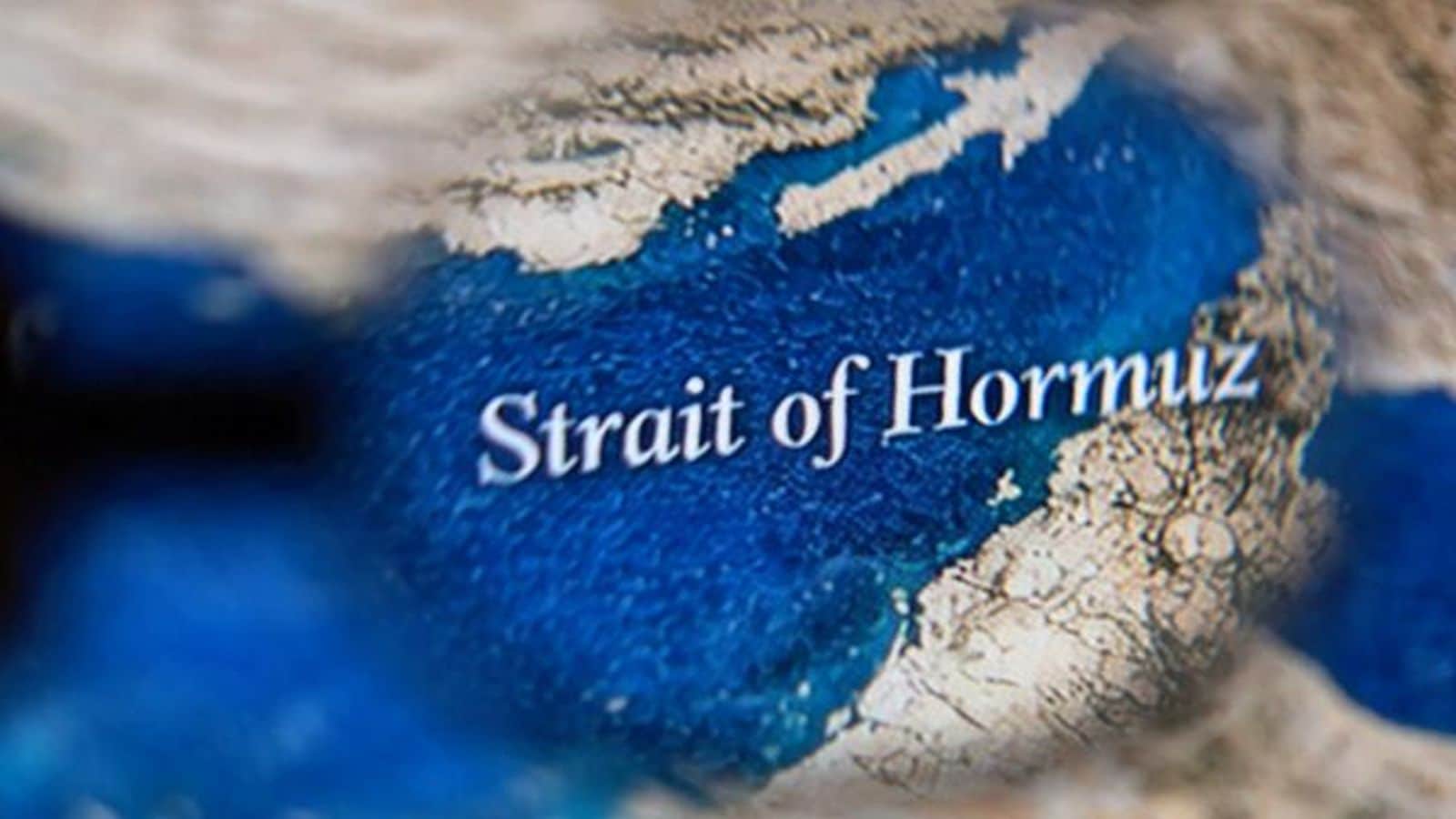
Look closer at the map. The southern shore belongs to Oman and the United Arab Emirates, allies of the West, while the northern coastline is dominated by Iran. The shipping lanes themselves are split into incoming and outgoing corridors, each barely two miles wide. Within that microscopic buffer zone, warships, fishing trawlers, and supertankers brush past one another like strangers in a dark, crowded subway car.
This is where the invisible stakes reveal themselves. Every time a strike is ordered or a bold claim is broadcast, the ripple effect reaches a baker in Berlin, a commuter in Chicago, and a factory worker in Seoul. Energy markets do not wait for diplomatic clarifications; they react to the sound of breaking glass. A spike in oil futures is the invisible tax paid by every household on earth whenever the water in the Persian Gulf starts to boil.
The friction between American military might and Iranian asymmetric strategy is designed to test endurance. The IRGC does not need to match the United States ship for ship, missile for missile. It only needs to introduce enough chaos, enough uncertainty, and enough risk into the corridor to make the cost of navigation unpalatable. Swarming speedboats, coastal anti-ship batteries, and silent mines beneath the surface are the weapons of the weaker party fighting for geography they can see from their kitchen windows.
Against this backdrop, the rhetoric of total control feels hollow, a desperate attempt to impose order on a system that is inherently chaotic. You cannot control a tide. You can only build seawalls and hope they hold when the storm surge hits.
The sun sets over the Gulf in a smear of bruised purple and blinding orange, painting the hulls of anchored tankers in copper light. Somewhere beneath the surface, a school of fish darts past a submerged cable carrying data that dictates the price of stocks on Wall Street. Above them, a patrol drone carves a lazy circle through the humid air, its camera lens fixed on the dark water, waiting for a movement that will change everything, or nothing at all, before the morning tide.