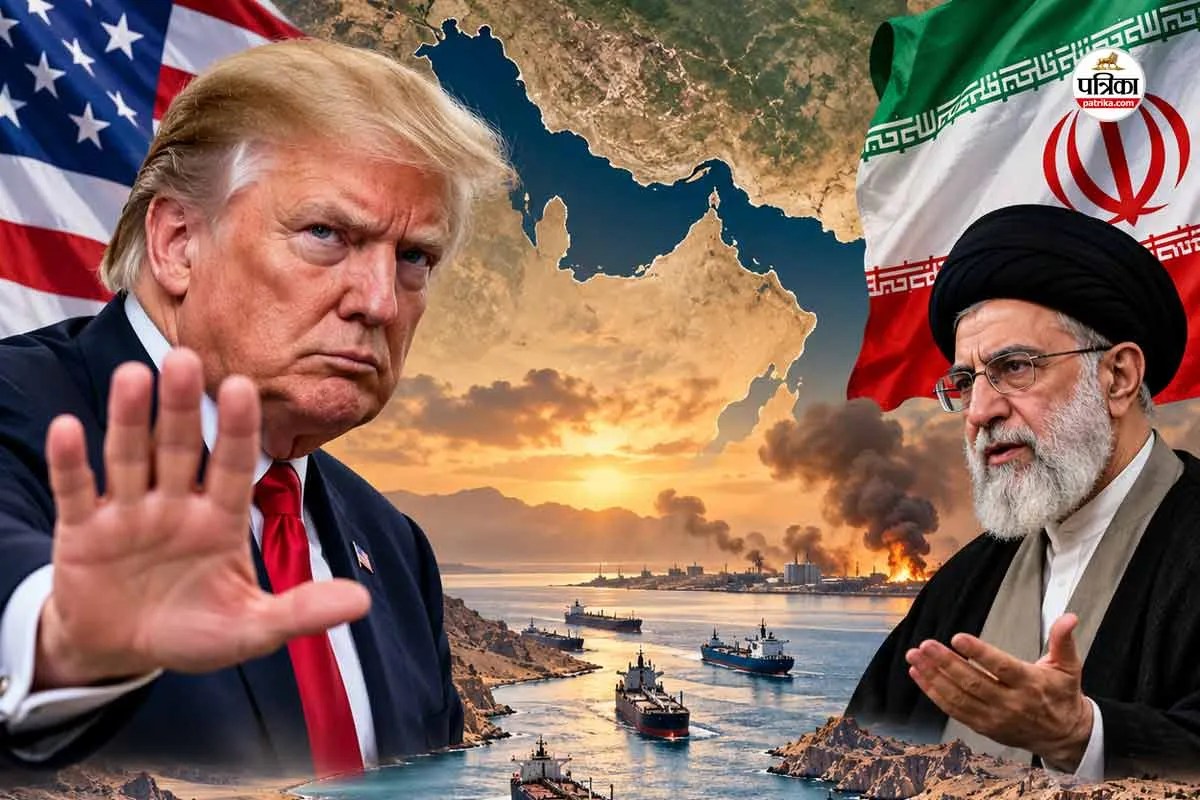
The sea does not care about diplomacy. It only cares about depth, wind, and the relentless pull of the moon.
Stand on the deck of a container ship navigating the Strait of Hormuz at midnight, and you feel entirely small. The water is a dark, heavy glass. On either side, the shadows of rugged coastlines rise like silent guardians—or sleeping threats. Through this narrow liquid throat passes a staggering chunk of the planet's daily petroleum supply. Every single tanker that slips through those twenty-one miles carries the pulse of modern civilization in its belly. You might also find this similar story insightful: Fatal Intersections The Mechanics of Urban Traffic Fatalities and Criminal Negligence.
Now, imagine standing on a bridge in Washington, or inside a high-security war room in Tehran, looking at that exact same stretch of water on a digital map. To a general, it is a chokepoint. To a trader, it is a risk premium flickering on a terminal. To an ordinary family in a coastal village thousands of miles away, listening to the evening news report on rising fuel prices, it is a tightening knot in the stomach.
Tension is not an abstract concept here. It has a physical weight. As reported in recent articles by NPR, the results are significant.
Recently, that weight shifted abruptly. Reports surfaced that Washington had firmly pushed aside a proposed Iranian framework regarding regional security and maritime transit. The rejection was swift, sharp, and entirely uncompromising. Instantly, the geopolitical weather changed. The diplomatic window—narrow enough as it was—slammed shut with a metallic echo.
Why did it happen? To understand, you have to look past the official press releases and dive into the psychology of deterrence.
In high-stakes geopolitics, accepting a proposal from an adversary is often interpreted as an admission of fatigue. It signals a willingness to redraw lines under someone else's pressure. The administration in Washington drew a hard boundary. They looked at the strategic blueprint brought forward by Tehran, weighed the hidden concessions, and simply said no.
The rejection sent immediate shockwaves across global energy corridors. Traders reacted within seconds. Futures contracts spiked. Insurance premiums for vessels traversing the Persian Gulf climbed overnight, echoing the quiet panic of shipping companies calculating whether a single voyage is worth the risk of detention or worse.
Let us step into the shoes of Captain Tariq, a veteran mariner who has sailed these volatile waters for nearly three decades.
Tariq does not care about executive memos or diplomatic communiqués in the way politicians do. He cares about the red lights flashing on his radar. He cares about the unannounced radio calls from fast-attack craft moving through the shipping lanes in the dead of night. When Washington rejects a diplomatic overture and Tehran responds with defiant rhetoric, Tariq feels it in the sweat on the back of his neck.
"When the giants argue," Tariq often tells his crew over cups of bitter cardamom tea, "it is the small boats that get swamped by the wake."
The Strait of Hormuz has always been a fragile ecosystem of nerves. It is a place where a single miscalculated maneuver by a youthful commander can trigger a cascade no one can stop. History is littered with such sparks. A radar blip mistaken for a threat. A warning shot fired too close to the hull. A scrambled communication channel.
When the diplomatic track breaks down, the military track accelerates. That is the terrifying physics of international relations. Action invites reaction.
Consider what happens next in the quiet corridors of naval intelligence. Submarines reposition. Air wings go on higher alert. Electronic jamming equipment hums softly in the damp night air, scrambling signals across the gulf. Every movement is watched, analyzed, and countered.
Yet, the most profound tragedy of this standoff is its invisibility to the everyday consumer.
When you pump gas into your car, or when a factory in Europe turns on its assembly lines, you are connected to this narrow channel of water by an invisible umbilical cord. Every political rejection in Washington and every defiant counter-move in Tehran translates directly into cents on the dollar, inflation in the grocery aisle, and anxiety in the financial markets.
We live in a deeply interconnected world, yet we treat security as if it happens behind soundproof glass. It does not. It leaks into our lives through the price of electricity, the cost of transit, and the lingering, quiet dread of a wider conflict that no one truly wants, but everyone is preparing for.
The rejection of the Iranian plan is not just a diplomatic footnote. It is a turning point. It tells us that the status quo of uneasy coexistence is fraying. Both sides have decided that standing firm is safer than stepping back, even if standing firm brings them closer to the edge of the precipice.
As the sun sets over the Persian Gulf, painting the water in bruised shades of violet and crimson, the tankers keep moving. They glide through the dark in endless, disciplined lines, their cargo holds heavy with the fuel of a restless world. The crews watch the horizon. The capitals watch their screens. And the water remains deep, indifferent, and dangerously calm.


