Concrete smells different at three in the morning. It smells like exhaust, old coffee, and the quiet exhaustion of people waiting to go home.
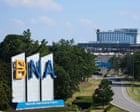
If you have ever stood in the belly of the Nashville International Airport—officially designated by the opaque bureaucratic shorthand BNA—you know it is a place of perpetual motion. Suitcases drag across terrazzo floors like gravel. Announcements echo through a tinny public address system, slicing through daydreams. It is an efficient machine, moving millions of weary bodies from gates to baggage carousels with cold, industrial precision.
For decades, that was enough. An airport was a transit lounge. A hallway with wings.
Then came a unanimous vote.
The board didn't just change a sign. They changed a frequency. They looked at the concrete, the glass, the endless gray corridors of arrivals and departures, and decided they needed a heartbeat. They voted to rename the facility to honor Dolly Parton.
Consider what happens next: the signs will switch. The stationery will update. Pilots on final approach will speak a new name into their headsets. But the true weight of the decision lives somewhere deeper, tucked beneath the surface of how a city chooses to mirror its own soul.
Airports are monuments to anonymity. You check your bags, you surrender your shoes, you become a seat number on a Boeing 737. In an era where transit hubs are increasingly corporate, sterile, and indistinguishable from one another—where Chicago looks like Dallas looks like Frankfurt—naming a major international airport after a living country music legend is an act of radical defiance.
It is a refusal to let a city become generic.
Think about the sheer weight of what Dolly represents to the traveler touching down in Tennessee. For generations, she has been the patron saint of working-class grit wrapped in rhinestone armor. She is the girl from Sevier County who wrote two of the most enduring songs in American history—"Jolene" and "I Will Always Love You"—in the exact same afternoon, while living in a modest Nashville apartment. She is the woman who built Dollywood not as a monument to her own ego, but to give her mountain people dignity, jobs, and a reason to stay home.
When you land under her name, you are not just arriving in a zip code. You are stepping into an ethos.
Airports are traditionally named after politicians who compromised their way into a plaque, or generals who orchestrated distant conflicts, or industrialists whose fortunes were measured in steel and coal. They are monuments to power. Naming an airport after Dolly Parton shifts the axis. It honors warmth, storytelling, self-deprecation, and survival. It says that a songwriter from the Smokies matters just as much as a governor or a tycoon.
The mechanics of such a massive transition are rarely simple. Bureaucracy moves like molasses trapped in amber. Federal Aviation Administration databases must be scrubbed. International flight routing codes, baggage handling manifests, and navigational charts require meticulous updates to ensure zero disruption in the delicate dance of aviation safety. Millions of dollars in branding, signage, and digital architecture must be shifted.
Yet, behind every spreadsheet and logistics meeting, there is an unmistakable emotional current.
Imagine standing at Gate C12, watching a tired father trying to soothe a crying toddler while his phone flashes flight delay notifications. The fluorescent lights hum a dull, corporate tune. He looks up and sees a soft, familiar smile looking down from a banner, framed by that iconic blonde cascade and a rhinestone-studded jacket. A quote runs along the edge of the display: The way I see it, if you want the rainbow, you gotta put up with the rain.
He breathes out. The air in the terminal feels just a fraction lighter.
That is the invisible utility of art. That is what a name can do when it belongs to someone who earned it not through decree, but through decades of making people feel seen in their darkest and happiest hours.
Nashville has always understood the currency of song. Every street corner down Lower Broadway vibrates with the ghosts of pickers and poets who came to town with blisters on their fingers and ten dollars in their pockets. The city grew up around the sound of a three-chord story and the truth of a broken heart.
By tying its busiest gateway to its most generous daughter, the city has codified its identity into the very architecture of transit. It tells the businessman rushing to a corporate merger and the backpacker chasing a dream that they have arrived somewhere specific. Somewhere with a history. Somewhere with a soul.
The concrete will still smell like coffee and jet fuel. The security lines will still snake through the terminal during morning rush hour. The delays will still test the patience of the saintliest travelers.
But when the wheels touch down on the tarmac and the captain's voice comes over the intercom to welcome everyone to the newly minted terminal, the air inside the cabin shifts.
Welcome home. Dolly's watching over the baggage claim.