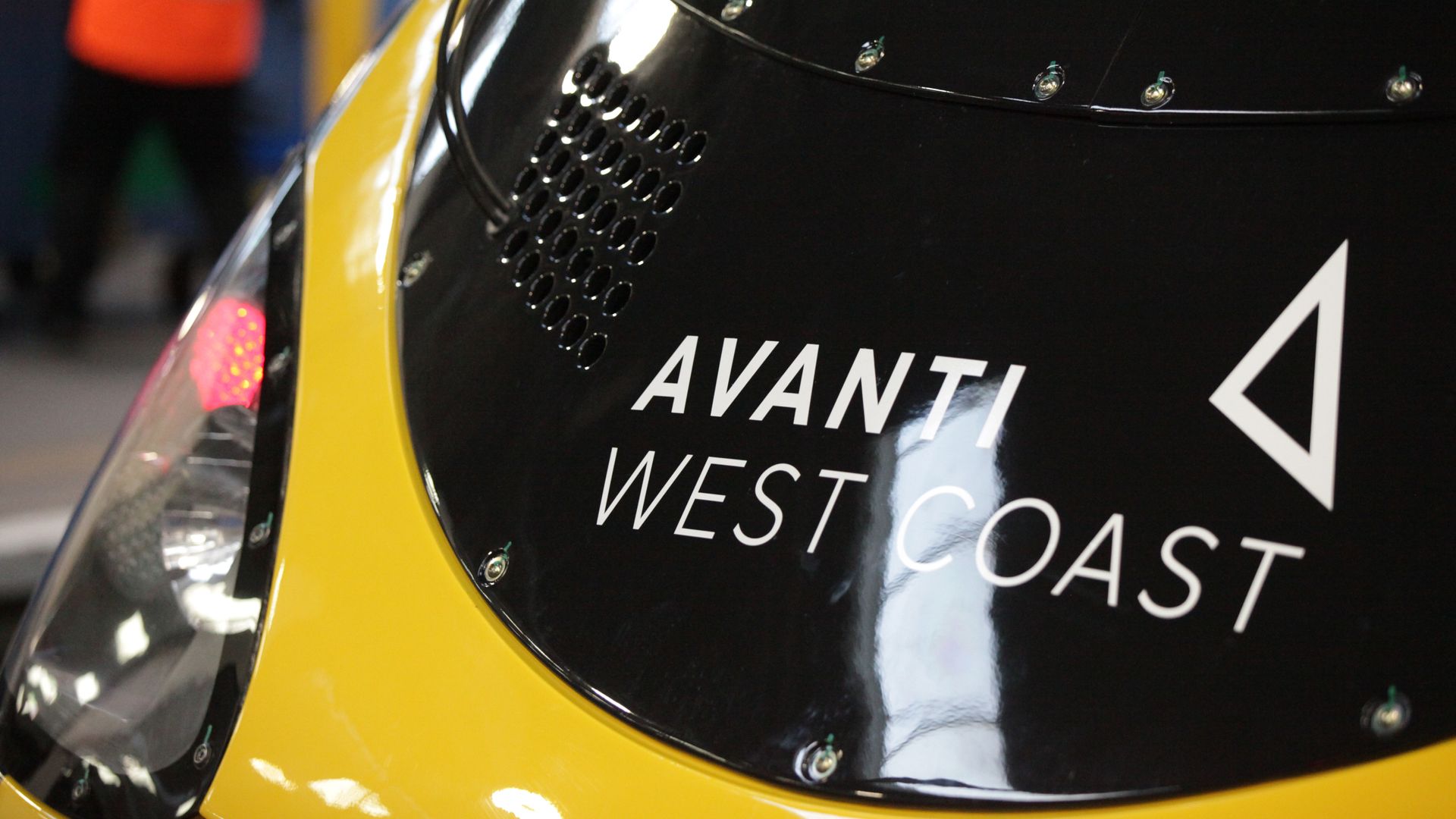
If you have ever stood stranded on a freezing platform at London Euston because your Manchester train was cancelled at the last possible second, you already know why the private rail model broke down. For years, travelling on the West Coast Main Line felt like playing an expensive lottery where the house always won.
That era is finally grinding to a halt. The government announced that Avanti West Coast will officially return to public ownership on March 7, 2027, cutting short a private contract that could have run all the way to 2032. FirstGroup and Trenitalia are handing back the keys, marking another major milestone in the sweeping rollback of private rail franchises across Great Britain. Read more on a connected issue: this related article.
Let us look at what this actually means for commuters, why the system failed, and whether public control can fix a notoriously battered route.
The Breaking Point on the West Coast
You cannot talk about Avanti without confronting the raw data. During parts of its operation, the company logged some of the highest cancellation rates in the country, hovering around 7.1% over specific spring and summer stretches. Peak return tickets between Manchester and London routinely topped £300, leaving passengers paying absolute top-tier prices for bottom-tier reliability. Further analysis by Business Insider highlights related views on the subject.
The friction wasn't just about money or missed connections. It was structural fragmentation. Under the old privatised framework, train operators and track maintainers operated as separate entities pointing fingers at each other whenever overhead wires sagged or power supplies tripped. Infrastructure issues alone accounted for roughly a third of all delays on the corridor.
When Transport Secretary Heidi Alexander called time on the current contract, the official reasoning centred on putting passengers over profits. By bringing Avanti into public hands via the DfT Operator Limited structure, the government aims to bridge the fatal gap between running the trains and fixing the tracks.
What Changes When Public Ownership Hits
Avanti's management insists that day-to-day bookings and ticket types will remain seamless during the transition. But behind the scenes, a massive operational pivot is already underway.
The handover brings targeted funding designed to tackle chronic root causes rather than slapping band-aids on daily screw-ups. Here is where the money is going:
- Signalling and Power: An extra £10 million injection specifically earmarked for power and line maintenance along the West Coast Main Line, supplementing an existing £840 million infrastructure package.
- Timetable Overhauls: Adjusted schedules starting as early as December 2026, focusing heavily on smoothing out bottlenecks for routes running directly in and out of Manchester.
- Station Upgrades: A £50 million transformation of London Euston over the next three years, starting with £11 million dedicated strictly to expanded seating, cleaner waiting rooms, and modernised toilets. Passengers will also gain access to platforms earlier to stop the chaotic stampedes at departure time.
- Digital Infrastructure: The rollout of low Earth orbit satellite technology to finally stamp out dead zones, securing reliable Wi-Fi and 5G connectivity onboard.
The Domino Effect Across British Rail
Avanti is not an isolated casualty. It sits squarely in the middle of a wider nationalisation wave that has swept up South Western Railway, c2c, Greater Anglia, West Midlands Trains, Govia Thameslink, and Chiltern Railways, with Great Western and CrossCountry following a similar track.
The strategy is pragmatic. Rather than paying massive financial penalties to terminate private contracts early, the Labour government is simply letting them expire or hitting scheduled break points, folding them seamlessly into the upcoming structure of Great British Railways.
For the workforce, these transitions typically protect existing employment terms and safety standards while shifting the corporate Key Performance Indicators away from shareholder dividends and toward actual punctuality.
What You Should Do If You Travel the Line
If you hold a season ticket or frequently ride the West Coast corridor, do not expect an overnight miracle on March 7, 2027. Changing the name on the side of a Pendolino does not instantly fix decades of underinvested copper cables and antiquated signalling boxes.
However, you should keep a close eye on the rollout of the Manchester timetable adjustments and the Euston boarding changes. If you encounter delays, continue using the Delay Repay scheme aggressively—publicly run operators are under intense political scrutiny, and poor performance metrics will trigger immediate operational pressure from Whitehall.
The experiment with private intercity monopolies on the West Coast Main Line is officially over. Now comes the hard part: proving that public stewardship can actually make the trains run on time.


