You get a sharp poke on your ankle. Within minutes, a small, angry red bump appears. The urge hits you instantly. It feels like a deep, primal demand. Scratch it. You dig your fingernails into the skin, and for about three seconds, it feels like pure heaven.
Then the burning starts. The itch returns, twice as intense as before.
We’ve all been there. It’s a bad habit that feels impossible to break. But giving in to that itch actually triggers a chemical chain reaction that makes your suffering last days longer than it should. Science shows that scratching a bug bite is essentially a form of self-sabotage.
The Real Reason Bug Bites Itch
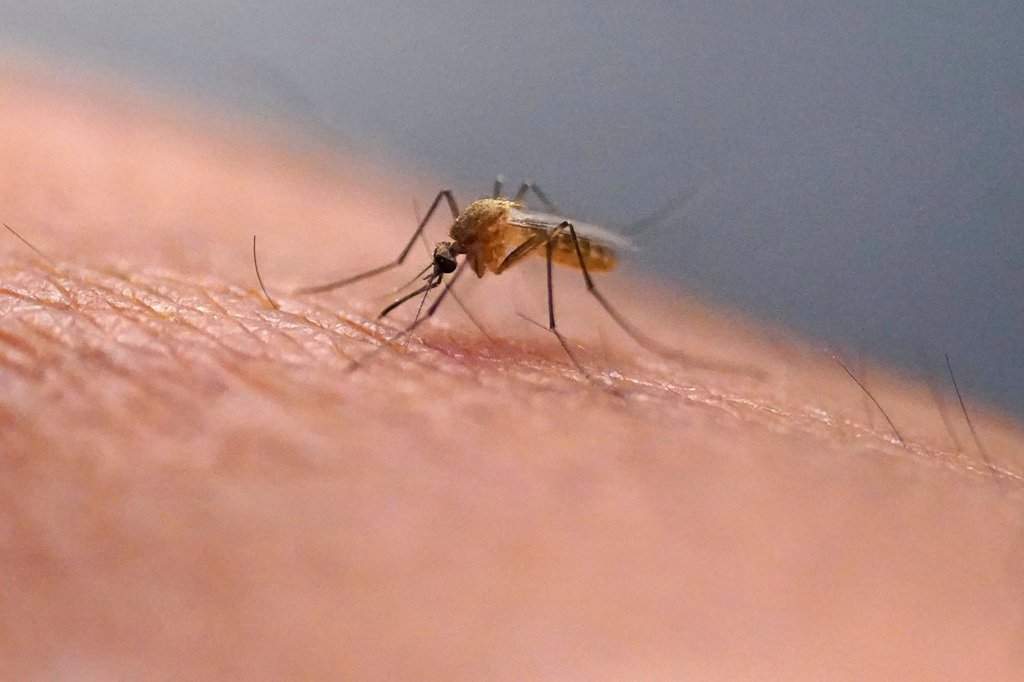
When a mosquito settles on your skin, it doesn't just suck your blood. It injects its saliva into your bloodstream. This saliva contains a cocktail of proteins and anticoagulants that stop your blood from clotting so the insect can feed easily.
Your immune system immediately recognizes these foreign proteins as invaders. It goes into defense mode.
To protect you, your body releases a chemical called histamine to the site of the bite. Histamine increases blood flow and white blood cell count around the affected area to fight off the foreign substance. This sudden rush causes inflammation, swelling, and redness.
It also irritates the tiny nerve endings in your skin. These nerves send a rapid-fire message straight to your brain, and your brain translates that signal into one clear command: scratch.
What Happens to Your Skin When You Scratch
Scratching works at first because of a simple neurological trick. When you scrape your fingernails across your skin, you create a low-level pain signal. Your nervous system prioritizes pain signals over itch signals. The physical pain temporarily overrides the itching sensation in your spinal cord, giving you a brief moment of relief.
But that relief is an illusion.
Your brain reacts to that new pain signal by releasing serotonin, a neurotransmitter meant to help regulate pain. Serotonin does its job, but it also interacts with the itch-sensing neurons in your spinal cord. This chemical interaction intensifies the itch signal.
[Image of the itch scratch cycle]
Medical professionals call this the itch-scratch cycle. By scratching, you cause minor tissue damage. Your body responds to that damage by releasing even more histamine and inflammatory chemicals. You are literally feeding the fire. What could have been a minor nuisance for twenty-four hours turns into an angry, swollen welt that bothers you for a week.
The Hidden Dangers of Breaking the Skin
The cycle gets worse when you break the skin. Your fingernails are not clean. They harbor millions of bacteria, including common strains like Staphylococcus and Streptococcus.
When you scratch hard enough to bleed, you open a direct gateway for these microbes to enter your sub-cutaneous layers.
[Clean Skin Surface] ---> Scratching ---> [Broken Barrier] + [Fingernail Bacteria] ---> Infection Risk
This opens the door to secondary bacterial infections. Cellulitis, impetigo, and lymphangitis are real risks that start with a simple bug bite. If the area becomes increasingly hot to the touch, starts oozing yellow pus, or shows red streaks spreading outward, you are no longer dealing with a simple reaction to an insect. You have a bacterial infection that requires prescription antibiotics.
Constant scratching also prolongs the healing process. Instead of your skin knitting back together smoothly, it forms thick scar tissue. For many people, especially those prone to post-inflammatory hyperpigmentation, a scratched bite leaves a dark mark or permanent scar that stays visible for months or even years.
How to Actually Stop the Itch Without Scratching
Knowing the science helps, but it doesn't stop the physical sensation. You need practical strategies to calm your nervous system without damaging your skin.
Cool the Inflammation Immediately
Ice is your best friend. Apply an ice pack wrapped in a cloth to the bite for ten minutes. The cold temperature constricts the blood vessels, slowing down the rush of histamine to the area. It also numbs the nerve endings, effectively silencing the itch signal without triggering the serotonin backlash.
Use Over the Counter Topical Treatments
Skip the fancy scented lotions. Use a target approach.
- Hydrocortisone cream (1%): This mild steroid reduces inflammation and calms the local immune response directly at the source.
- Calamine lotion: The zinc oxide in calamine has traditional, proven anti-itch properties that soothe irritated skin.
- Baking soda paste: Mix one tablespoon of baking soda with just enough water to create a thick paste. Apply it to the bite for ten minutes, then rinse. The alkaline nature of baking soda helps neutralize the acidic reaction in the skin.
Take an Oral Antihistamine
If you have multiple bites and feel completely miserable, topical creams might not cut it. An over-the-counter oral antihistamine blocks the histamine receptors throughout your entire body. This dampens the allergic reaction from the inside out, letting you sleep through the night without subconsciously clawing at your skin.
Create a Physical Barrier
Sometimes you scratch without realizing it, especially while sleeping. Put a round adhesive bandage or a piece of medical tape directly over the bite. If your fingernails hit tape instead of bare skin, you won't break the skin barrier.
Keep your fingernails trimmed short and clean. If you absolutely cannot resist the urge, slap the bite with an open hand instead of scratching it. The blunt impact provides a momentary pain signal to override the itch, but it won't tear your skin apart.