The air inside the Shenzhen showroom smells of fresh polyurethane, expensive coffee, and a quiet, accumulating dread.
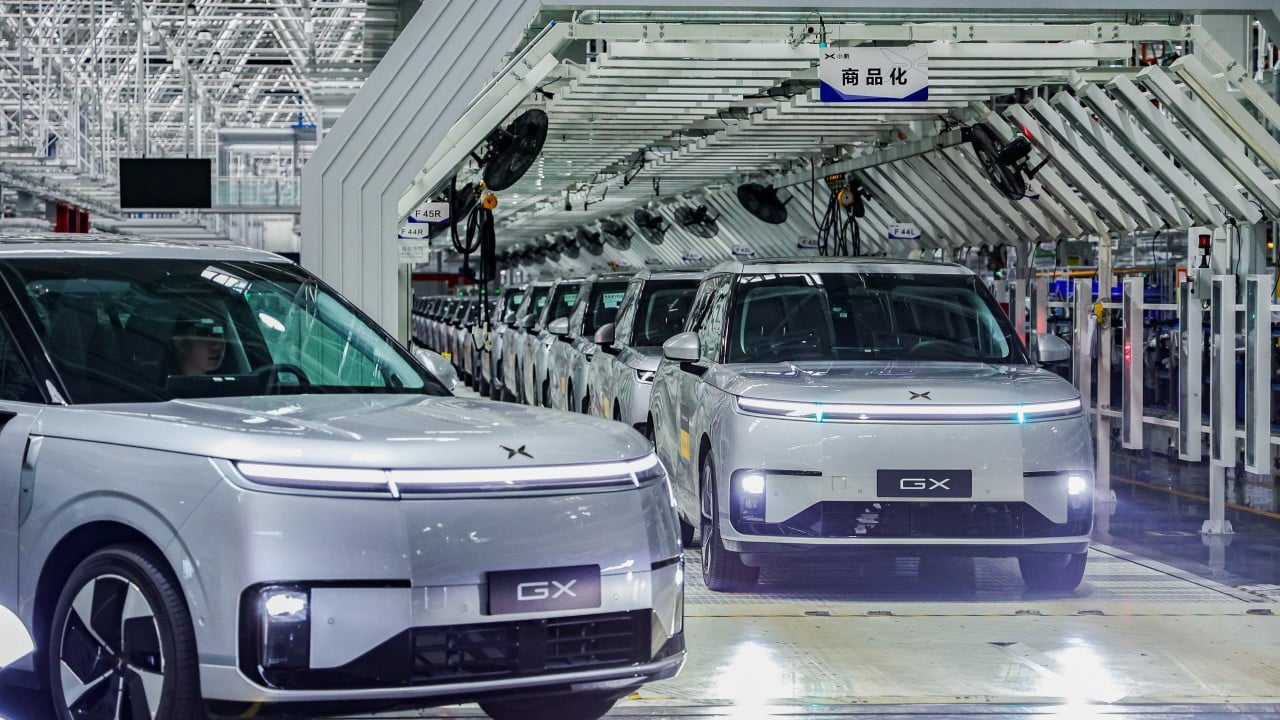
It is a Tuesday afternoon, and the massive glass facade reflects a torrential summer downpour. Outside, neon signs blur into streaks of crimson and amber across the slick asphalt. Inside, silence reigns. Chen stands beside a pearl-white crossover SUV, his hand resting casually on the driver-side mirror. He has polished the hood three times today. He knows every contour of the sheet metal, every curve of the LED light bar that cuts across the front fascia like a digital horizon. You might also find this related article insightful: Why Abdul Samad Rabiu is Nigeria's Most Misunderstood Tycoon.
Nobody is touching it.
Across the cavernous floor, three other sales representatives stare at their phones. The screens illuminate their faces with a cold, blue glow. They are refreshing data feeds, watching the July sales numbers ripple across the financial wires. The numbers are not just bad. They are gravitational. As highlighted in detailed articles by Bloomberg, the implications are worth noting.
July brought a chill to the world's most aggressive automotive engine room. The Chinese electric vehicle market, long fueled by an intoxicating blend of state ambition, venture capital bravado, and relentless technological iteration, slammed into a wall of consumer hesitation. Deliveries dipped. Inventory lots swelled under the humid summer sky. And behind the polished corporate facades of automakers large and small, a collective breath was held, waiting for the inevitable shoe to drop.
Price cuts.
To understand what is happening on these showroom floors, one must abandon the spreadsheet and step into the psychology of the modern Chinese car buyer. For years, purchasing a battery-powered vehicle was an act of civic and technological optimism. You were buying into the future. You were swapping a combustion engine for a computer on wheels, backed by autonomous driving promises and smartphone integration that made traditional German and Japanese luxury look antique.
Then saturation arrived.
Every street corner in tier-one cities like Shanghai and Guangzhou now teems with sleek crossovers sporting flush door handles and impossibly thin headlights. The market is no longer opening up; it is cannibalizing itself. Consumers, facing broader economic headwinds and a property sector limping through its own protracted crisis, are holding onto their cash. They have become acutely aware of a grim mathematical reality.
If you buy a car today, it might cost ten percent less next month.
That single thought is the poison pill currently paralyzing showrooms. It is a classic deflationary trap, weaponized by hyper-competition. When manufacturing capacity outpaces organic demand, the only lever left to pull is the price tag. Brands that poured billions into Gigafactories and advanced silicon chips now find themselves trapped in a zero-sum game of margin erosion.
Consider what happens next in a market driven by survival rather than strategy.
When the mid-tier manufacturers start bleeding cash, the desperation becomes tangible. Executives in high-rise glass towers in Beijing and Hangzhou issue frantic directives. Flash sales. Zero-interest loans. Massive trade-in subsidies packaged as patriotic upgrades. They slash prices to maintain factory throughput because stopping a modern automotive assembly line is financial suicide. Fixed costs do not sleep. Fixed costs demand sacrifice.
Chen watches a couple walk past his showroom window. They pause, glance at the price tag displayed on the digital kiosk, and keep walking. Their umbrellas bob away down the wet sidewalk.
He sighs, dropping his hand from the mirror. He knows the whispers circulating through industry chat groups. The weaker players—the upstarts that rode the wave of cheap capital without securing loyal brand equity or sustainable supply chains—are running out of runway. Consolidation is coming. It will be ruthless. It will leave corporate wreckage scattered across industrial parks from Wuhan to Hefei.
Yet, from the ashes of profitability, something else is being forged.
The global automotive order is watching this bloodbath with a mixture of awe and sheer terror. The vehicles rolling off these pressured Chinese assembly lines are not cheap toys. They are technological powerhouses, packed with 800-volt charging architectures, lightning-fast infotainment systems, and battery chemistries that push past traditional range anxiety. Even as domestic margins compress to the bone, these companies are looking outward. They are loading massive car carriers docked in Shanghai ports, setting their sights on Europe, Latin America, and Southeast Asia.
The domestic price war is an anvil. It is flattening the weak, but it is hammering the survivors into terrifyingly efficient global competitors.
Night falls quickly over Shenzhen. The rain stops, leaving behind a humid haze that catches the neon glare of the city. Inside the showroom, the overhead lights click off one by one, plunging Chen's pearl-white SUV into shadow. He locks the glass doors, pulls down the metal security gate, and steps out into the damp evening air. Tomorrow, the prices might drop again. The stakes will be higher. And the relentless engine of the future will keep turning, fueled by the cold economics of survival.