When a massive glacial collapse triggered a catastrophic wall of mud and water down the slopes of Langtang National Park, it caught entire Himalayan communities completely off guard. Weeks of agonizing tension followed as thousands went missing along the Bhotekoshi and Trishuli river corridors. Now, a wave of relief has washed through official channels with news that a dangerous barrier lake near the China border has finally drained naturally.
Let's look at what this actually means for the ground reality in Nepal.
The Reality Behind the Barrier Lake Drainage
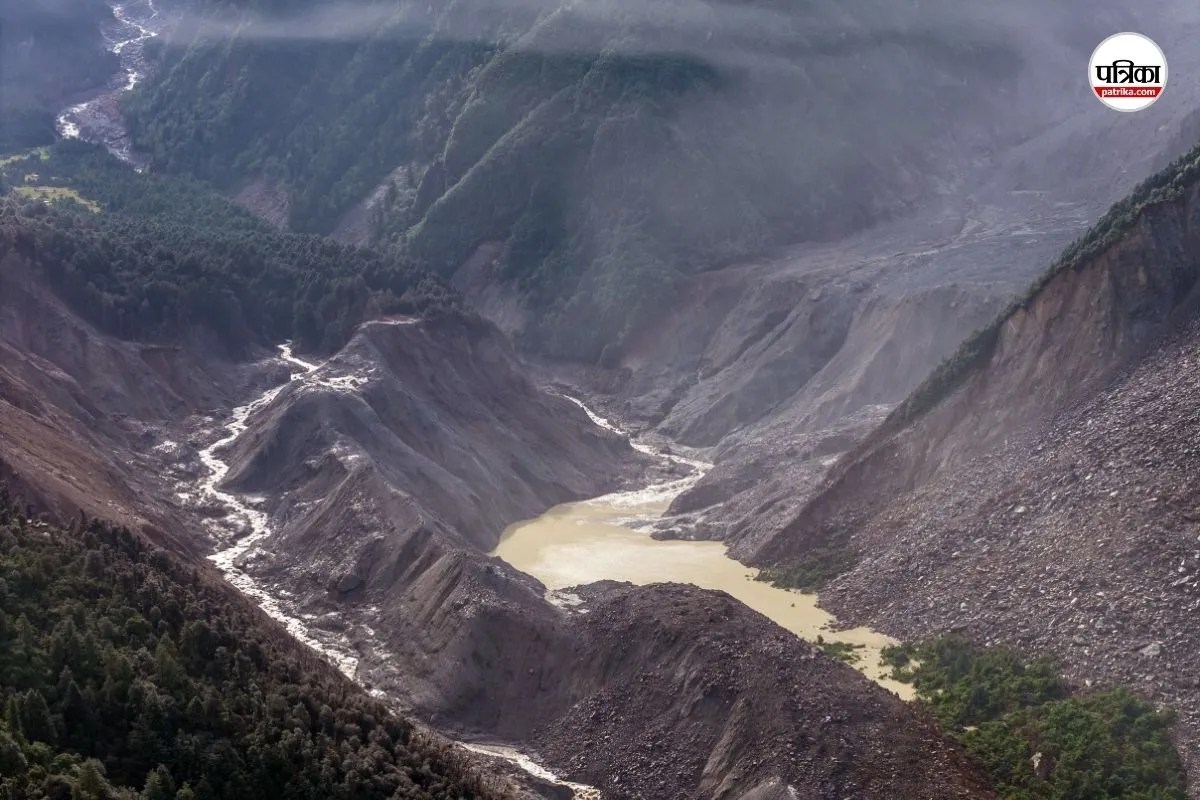
The formation of unstable barrier lakes after massive debris flows always sparks panic. When rocks and ice block a fast-flowing mountain river like the Lhende Khola, a ticking time bomb forms upstream. Official reports confirmed that the barrier lake near the Nepal-China border has cleared its trapped water through natural channels.
Scientists at the Chinese Academy of Sciences and local disaster monitoring teams verified that the lower pool emptied out completely, while the upper reservoir drained by more than half. For families living downstream in the Bhotekoshi valley, this means the immediate nightmare of a sudden secondary wall of water crashing down on their heads has dropped significantly.
Yet, looking at this development as a total resolution ignores the fragile condition of the region.
Why Danger Persists Along the Trishuli and Bhotekoshi
Clearing a blocked lake doesn't fix a shattered landscape. Rivers across Nuwakot and Dhading remain dangerously swollen, fueled by ongoing weather and runoff. Heavy erosion continues to eat away at riverbanks, chewing up vital transportation links.
Consider the infrastructure damage that makes daily survival a struggle:
- Vital highway stretches, including parts of the Muglin-Kathmandu route, remain blocked or severely compromised by sudden landslides like the one at Krishnabhir.
- Essential suspension bridges connecting local districts have been snapped by raging currents, cutting off isolated pockets from emergency aid.
- Hydropower projects representing hundreds of megawatts of capacity sit wrecked, leaving regional power grids unstable.
Survivors aren't just dealing with water levels; they're navigating an environment where the ground itself feels untrustworthy. Constant flood alerts mean families sleep with one eye open, ready to scramble uphill at the sound of a siren.
The Human Toll and Long-Term Recovery
Behind the geological updates lies an overwhelming humanitarian emergency. Hospitals and makeshift morgues near the riverbanks have faced unimaginable strain as rescue teams pull hundreds of bodies from thick, tar-like silt. Thousands of individuals remain unaccounted for, leaving families huddled outside coordination centers with hopes fading by the hour.
International aid groups and local security forces are working around the clock to distribute emergency shelter kits and safe drinking water to tens of thousands of displaced residents. But clearing blocked mountain passes and rebuilding pulverized trade routes with Tibet will take months of grueling labor.
If you are tracking these developments or looking to support relief efforts, keep your focus on grassroots humanitarian organizations coordinating direct aid rather than fleeting headlines. The water levels may recede, but the real rebuilding for Nepal starts now.
Nepal Flood Live Updates: नेपाल में फिर बाढ़ का खतरा! सैलाब की चेतावनी!| Flash Flood | Alert | China
This video provides live updates and visual context on the ongoing flood alerts and the heavy toll exacted by the disaster across Nepal.
http://googleusercontent.com/youtube_content/1