An entire landscape transformed into a grey, leg-sucking graveyard in a matter of minutes. That is the stark reality along the Nepal-Tibet border following a catastrophic glacial collapse that triggered a wave of deadly flash floods. With the death toll climbing past 1,130 and thousands still missing, emergency response efforts face an unprecedented test against nature, geography, and bureaucracy. If you are tracking the disaster or trying to locate missing loved ones, the official numbers only tell part of a far more chaotic story.
The disaster began on August 26, when an unstable glacial high in the Himalayas gave way. Millions of tons of rock, ice, and pressurized meltwater surged into the valleys below, swelling rivers like the Bhote Koshi and Trishuli into violent torrents. Entire border settlements, including the bustling Gyirong Port complex and parts of Timure, were buried under up to 50 feet of thick silt, mud, and boulders.
Understanding the Scale of the Devastation
Official tallies from Nepal's disaster authority and Chinese state media place the combined death toll at 1,130, with over 4,400 people still unaccounted for. But those figures fluctuate daily as search teams claw through meters of compacted mud.
- Nepal Casualties: At least 1,114 people confirmed dead, with nearly 4,000 listed as missing.
- Tibet Region: Chinese authorities reported 16 deaths and over 540 missing, heavily concentrated around trade and transit checkpoints.
- Foreign Nationals: Hundreds of tourists, pilgrims returning from Mount Kailash, and hydropower project workers from dozens of countries were caught in the path of the flood.
While a small number of foreign travelers have managed to contact families or check in safely over the past week, hundreds from nations including the United States, Britain, Australia, and India remain out of contact. Hopes fade quickly as days turn into weeks.
Why Rescue Operations Are Stalling
Heavy machinery cannot simply drive into the disaster zone. Roads are obliterated, and bridges have been swept away. In places like Rasuwa, rescue workers have spent grueling shifts wading through thick sludge and drilling into tunnels where workers remain trapped.
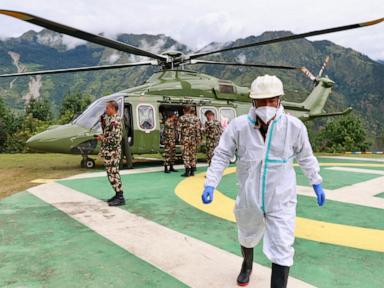
Adverse weather, including persistent rain and thick fog, frequently grounds the helicopters vital for ferrying the injured to Kathmandu. Furthermore, satellite monitoring reveals that barrier lakes formed upstream remain volatile, threatening secondary floods if water pressure breaches unstable natural dams.
Nepal has appealed for specialized international assistance—requesting bailey bridges, DNA identification tools, and tunnel rescue gear rather than general manpower. India and China have responded by dispatching specialized technical teams and relief flights loaded with water purification supplies and heavy excavators.
What Families and Travelers Need to Do Now
If you are searching for missing relatives who were trekking or on a spiritual pilgrimage in the region, do not rely solely on generalized news updates.
- Contact Local Consulates: Register directly with your country's foreign ministry or embassy operating in Kathmandu or Beijing, as they coordinate closely with Nepal's Tourism Board.
- Check Direct Communications: Many survivors lost their devices or service, but intermittent cellular pings or local shelter lists managed by community monasteries—such as the Yellow Gumba monastery in Kathmandu—are updated more rapidly than official state databases.
- Monitor Barrier Lake Warnings: Avoid traveling anywhere near the Trishuli or Bhote Koshi river basins. Flood risks remain active as long as upstream glacial blockages stay unmitigated.
Rebuilding these mountain communities will cost billions and take years, but right now, the agonizing search for the missing remains the only priority that matters.