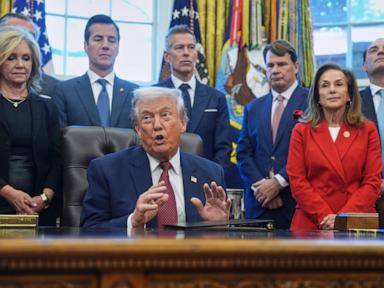
Buying a new car in America just got a whole lot more complicated. The Trump administration officially finalized a sweeping rollback of federal Corporate Average Fuel Economy (CAFE) standards, taking a massive axe to the strict mileage mandates put in place by the Biden administration.
If you've shopped for a vehicle lately, you know that prices have spun completely out of control. Dealership lots are flooded with six-figure rigs, and the average price of a new car routinely hovers above $50,000. The White House argues that slashing these fuel efficiency targets will immediately lower upfront vehicle costs, freeing automakers from expensive technology mandates. Critics, however, warn that motorists will simply trade lower sticker prices for punishingly high bills at the gas pump.
Here is what is actually changing under the hood of federal policy, and what it means for your wallet.
Stripping Back the Mileage Mandates
Under the previous framework, automakers faced aggressive year-over-year increases in fleet efficiency, pushing toward a target of over 50 miles per gallon by the early 2030s. That trajectory forced manufacturers to pivot hard toward hybrid and electric vehicle development.
The new Department of Transportation ruling resets those targets drastically. Fleet-wide fuel economy requirements for 2031 are now projected to sit around 34.9 miles per gallon, a sharp drop from previous goals.
The administration claims this reset fixes federal overreach and saves billions in regulatory compliance costs. Transportation Secretary Sean Duffy argued that previous rules forced automakers to build expensive electric options that everyday families didn't want or couldn't afford. By dialing back the rules to baseline standards, manufacturers can build traditional internal combustion engines without pouring billions into compliance penalties or heavy EV tooling.
The Reclassification Twist
Beyond changing raw mileage targets, federal regulators are fundamentally altering how vehicle categories are defined. Lighter-duty SUVs are being reclassified from light trucks into traditional passenger vehicle categories.
This technical shift completely alters the math for automakers. For years, manufacturers leaned heavily into building massive fleets of light trucks and SUVs because those categories faced looser regulatory constraints than standard passenger cars. By flipping the script and shifting the structural mix of fleets, the administration hopes to flood the market with cheaper, traditional gas-powered cars.
Yet, this creates a bizarre tug-of-war in Detroit. Car companies spend years designing assembly lines, sourcing battery minerals, and engineering platforms. Changing federal rules mid-stream doesn't instantly erase millions of dollars invested in electrification. Some executives are left wondering whether to pivot back to gas or stay the course, knowing a future administration might flip the rules right back.
Upfront Savings Versus Pain at the Pump
The core economic argument for the rollback boils down to immediate relief versus long-term pain.
Proponents estimate that relaxing these rules could shave roughly $1,300 off the average sticker price of a new vehicle. For a household locked out of the market by soaring inflation and high interest rates, a cheaper entry point on a new sedan or crossover sounds appealing.
The counterargument is straightforward math. Less efficient engines burn more gasoline. Environmental groups and economic analysts point out that lower mileage standards will result in billions of extra gallons of fuel consumed over the lifetime of these vehicles. When gas prices spike—driven by global supply chain volatility or geopolitical conflicts in oil-producing regions—drivers of gas-guzzling fleets absorb the blow directly. You might save a bit at the dealership today, only to hand it back to the local service station over the next five years.
What You Should Do Next
If you are planning to buy a car soon, this policy shift won't hit dealership lots overnight. Automakers need time to reconfigure production lines.
Evaluate your actual daily driving habits before letting short-term price cuts sway you. If you have a long highway commute, a fuel-efficient hybrid or high-mpg vehicle will still shield you from volatile fuel prices far better than a relaxed-standard SUV, regardless of what Washington decides. Do your own math on total cost of ownership rather than looking strictly at the sticker price.
What Trump's rollback of fuel economy standards means for drivers
This video provides a helpful overview of how changes to federal fuel economy standards impact everyday drivers at the pump and in the showroom.