On July 24, a 37-year-old volunteer named Ed Hunt sat down in an Oxford clinic, rolled up his sleeve, and received a single injection. That quiet moment marked a massive leap in global public health. Hunt became the first human participant in a clinical trial testing a brand-new vaccine designed specifically to stop the Bundibugyo ebolavirus strain.
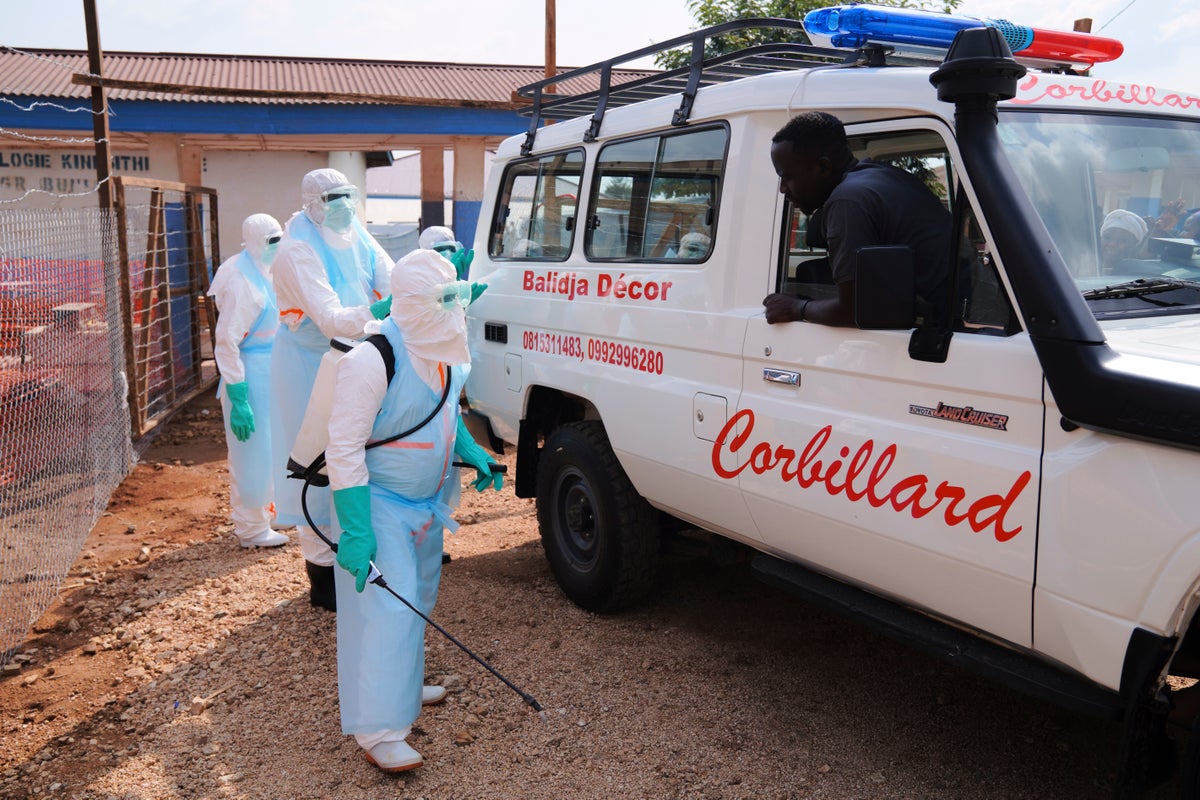
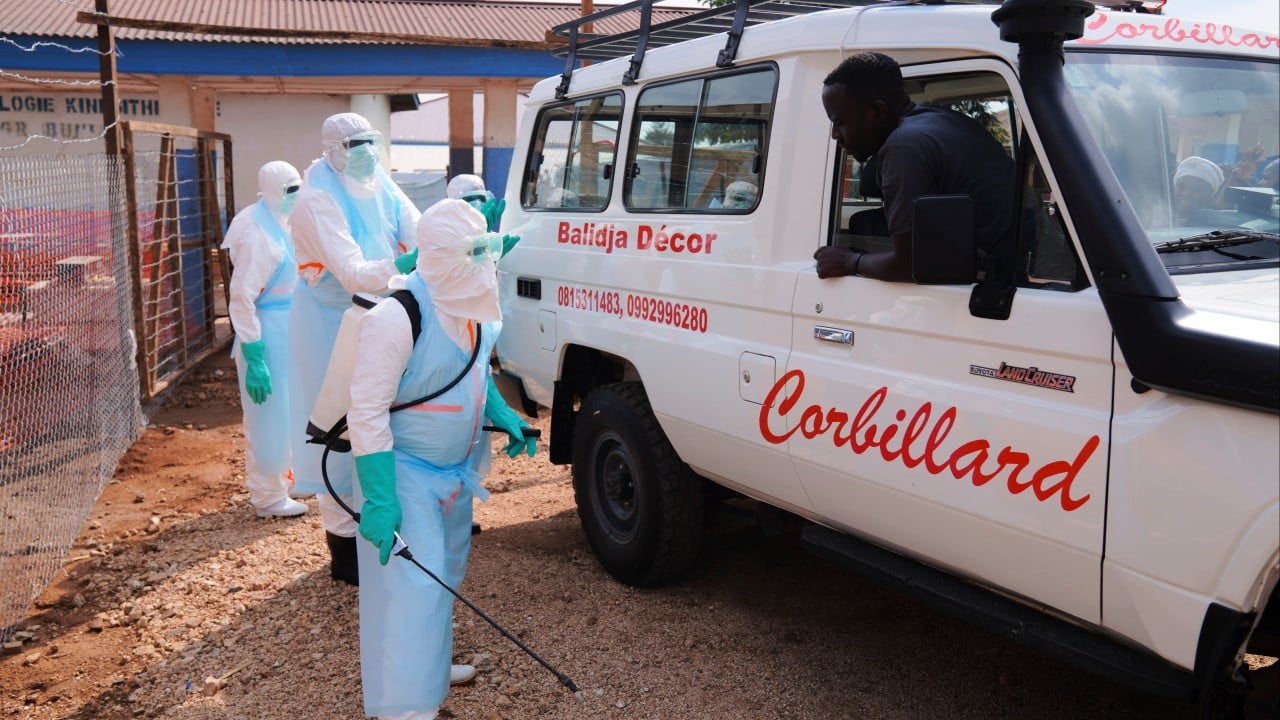
The clock is ticking hard. A severe outbreak linked to the Bundibugyo strain has killed over 1,000 people across the Democratic Republic of Congo and neighboring Uganda since emerging in May. Health officials at the World Health Organization have warned that the virus is spreading faster than previous outbreaks in the region.
Scientists at the Oxford Vaccine Group and the Pandemic Sciences Institute took this vaccine candidate from initial concept to live clinical testing in just eight weeks. That speed isn't a shortcut—it's a calculated response to a growing medical emergency.
Inside the Eight Week Race Against Bundibugyo Ebola
Speed matters when an epidemic hits an active conflict area. The current epicenter in the DRC's Ituri province features displaced populations and damaged medical facilities. That environment makes contact tracing nearly impossible.
The BD-Ebov study represents the fast-track clinical evaluation of the ChAdOx1 BDBV vaccine candidate. Developed jointly by Oxford researchers and global partners, the trial aims to evaluate safety and immune response in 50 healthy adults between 18 and 55 years old.
"Reaching this milestone in such a short timeframe reflects an extraordinary collaborative effort," noted Dr. David Pulido-Gomez, manufacturing lead at the Pandemic Sciences Institute.
Going from genetic sequencing to injecting human volunteers in two months required non-stop coordination between laboratory teams in the UK and manufacturing facilities in India. While early Phase 1 trials focus primarily on safety, researchers plan to track antibody production in participants across a full twelve-month monitoring period.
Why Existing Ebola Vaccines Do Not Work Here
A common misconception is that a single Ebola vaccine protects against all forms of the disease. It doesn't.
Filoviruses are distinct. Six different species of Ebola virus exist, and cross-protection between them is extremely weak.
- Zaire ebolavirus: Responsible for the massive 2014-2016 West Africa outbreak. It has two fully licensed vaccines (Ervebo and Zabdeno/Mvabea).
- Sudan ebolavirus: Triggered multiple outbreaks in Uganda. Candidates exist, but no universal fix is available.
- Bundibugyo ebolavirus: Discovered in 2007 in Uganda. Until now, zero approved vaccines or targeted antiviral treatments existed anywhere on Earth.
Treating Bundibugyo with an existing Zaire vaccine like Ervebo is like using a flu shot to stop measles—the structural viral proteins simply do not match. The outer glycoprotein of the Bundibugyo strain differs enough that existing antibodies fail to neutralize it. That biological reality left doctors in Central Africa fighting a lethal pathogen with little more than supportive fluids and isolation wards.
How the Oxford Vector Platform Delivers Fast Results
The ChAdOx1 BDBV candidate doesn't rely on live or killed Ebola virus. Nobody in the trial is exposed to actual hemorrhagic fever.
Instead, researchers use a modified chimpanzee adenovirus vector. Think of this adenovirus as an empty delivery truck. Scientists strip out its ability to replicate inside human cells, so it can't make anyone sick. Then, they insert the genetic instructions for a single protein found on the surface of the Bundibugyo ebolavirus.
When injected, your muscle cells read those genetic instructions and briefly produce the harmless viral protein. Your immune system spots the foreign shape, sound the alarm, and builds target-specific T-cells and antibodies.
This platform uses the exact same core technology that powered the Oxford/AstraZeneca COVID-19 vaccine, which protected millions worldwide. Because the safety profile of the ChAdOx1 vector is already backed by extensive human data, regulatory agencies like the UK's Medicines and Healthcare products Regulatory Agency could fast-track review protocols without compromising safety standards.
From Oxford Clinical Labs to Field Deployment in Uganda
A successful trial in Oxford means nothing if doses aren't ready for actual outbreak zones. Too often in global health, vaccines sit in academic development for years while manufacturing logistics lag far behind.
That bottleneck was broken early in this project. Supported by an $8.6 million program funded by the Coalition for Epidemic Preparedness Innovations (CEPI), production scaled up immediately.
The Serum Institute of India has already manufactured and stockpiled 620,000 doses of the ChAdOx1 BDBV vaccine. That stockpile sits ready for immediate deployment the moment clinical safety data clears regulatory thresholds.
Researchers are already working alongside health authorities and academic partners in Uganda to lay the groundwork for parallel field trials in East Africa. The goal is to move directly from Phase 1 safety confirmation in the UK to ring-vaccination strategies in affected African districts.
Practical Steps for Following Vaccine Development
Understanding clinical trial pipelines helps filter out media hype from actual medical progress. When tracking rapid vaccine development projects, focus on these clear markers:
- Verify trial phase focus: Phase 1 checks basic human safety and dosage tolerance in small groups. Phase 2 expands testing to hundreds of people to evaluate immune response. Phase 3 proves real-world efficacy in active outbreak zones.
- Check the viral strain target: Ensure news reports specify the exact species targeted by a new drug or vaccine candidate, especially with variable viruses like Ebola or influenza.
- Monitor regulatory approvals: Look for updates directly from official health bodies like the WHO, UK MHRA, or US FDA rather than unverified social posts.
- Track global manufacturing status: A working vaccine candidate requires pre-funded mass production to contain unexpected outbreaks before they cross international borders.