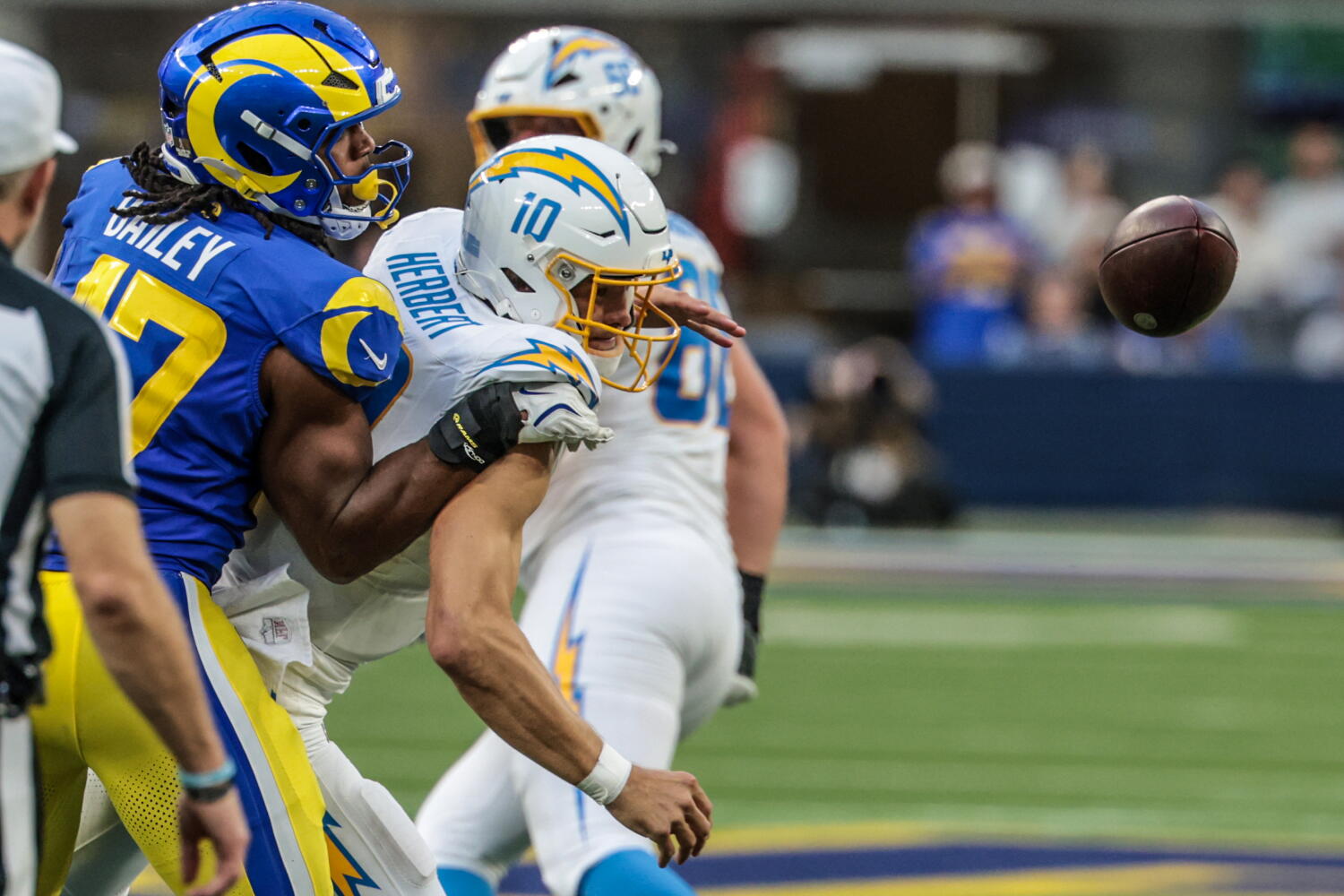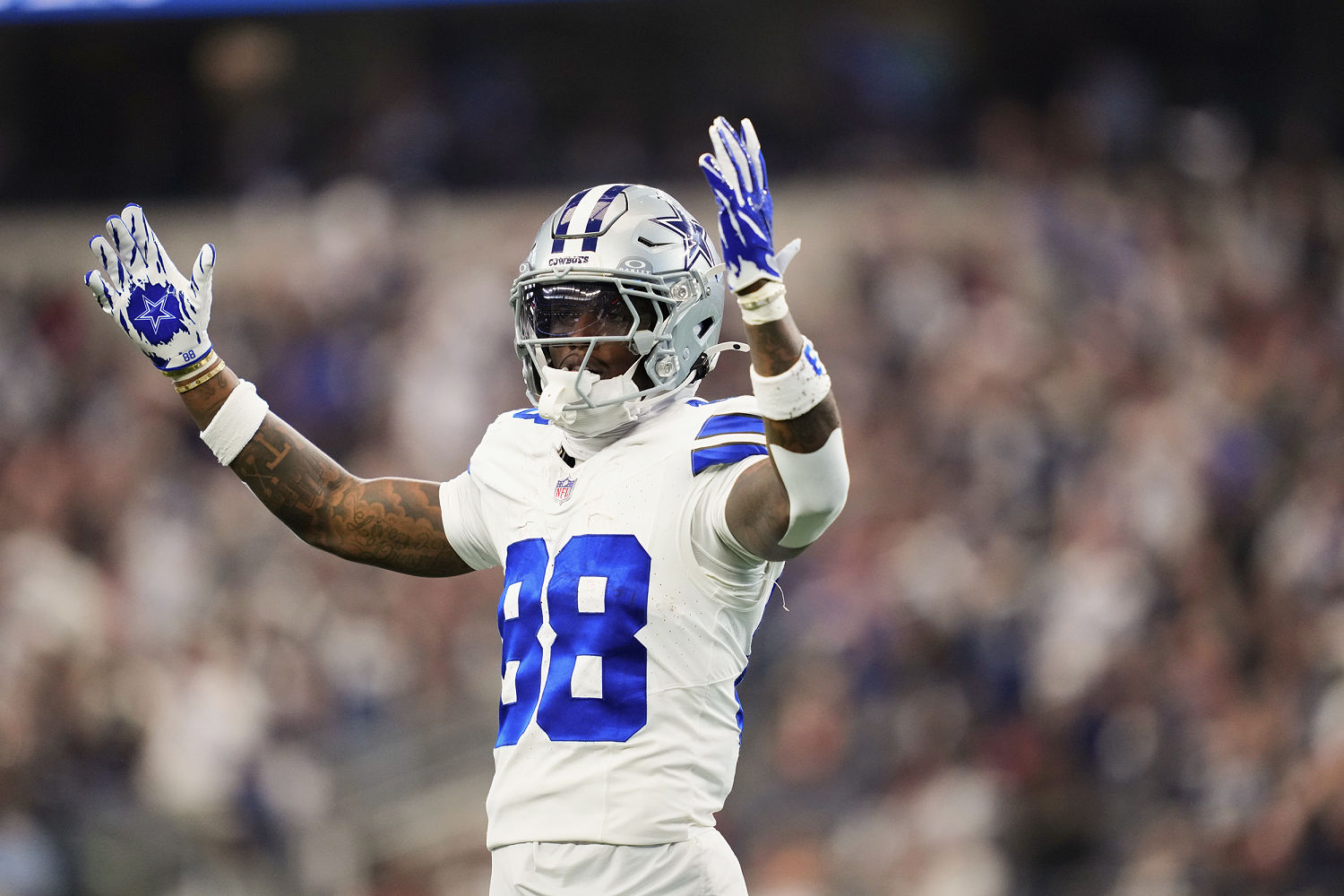
Football fans love overreacting to October games, yet sometimes the tape screams a truth you just can't ignore. After watching the dust settle from NFL Week 8, three heavyweights are staring at glaring, structural problems that threaten to derail their entire seasons. The Dallas Cowboys can't put teams away when it matters, the Los Angeles Chargers have forgotten how to put points on the board, and Lamar Jackson is once again fighting his own body just to stay on the field for the Baltimore Ravens.
If you've followed the league closely over the last few years, none of these storylines feel brand new. That's the scary part. These aren't weird one-week anomalies caused by bad weather or a couple of unlucky bounces. They are recurring nightmares. Let's look at why these three franchises are stuck in the exact same traps, what the numbers actually show, and what has to change before Thanksgiving hits.
Why the Dallas Cowboys Keep Melting Down in the Fourth Quarter
Dallas has a talent problem. Not a lack of it—they have too much star power to look this helpless when the clock winds down.
When you watch the Cowboys late in close games, the offense suddenly tightens up like a rookie kicker facing a 55-yarder in January. Play-calling becomes predictable. Drives stall out around midfield. Instead of stepping on the throat of an opponent, Dallas settles for conservative runs on first and second down, leaving Dak Prescott in obvious third-and-long situations where opposing pass rushers tee off without worrying about play-action.
Honestly, it's exhausting to watch. You can blame the coaching staff's situational awareness, and plenty of fans do, yet the execution on the grass is just as guilty. Penalties kill momentum at the worst possible moments. A holding call wipes out a twelve-yard gain, or a false start turns a manageable third-and-two into a third-and-seven prayer. According to team tracking data compiled across recent seasons by Pro Football Reference, Dallas consistently ranks near the top of the league in pre-snap and drive-killing infractions during the final fifteen minutes of one-score games.
The Defensive Collapse Nobody Wants to Admit
Everyone points fingers at the offense, which misses half the picture. A defense built around elite pass rushers is supposed to feast when the other team has to throw the ball late in the game. Instead, the Cowboys' front seven often gets gashed on the ground when opponents simply decide to bully them.
If an offense can run for five yards a pop in the fourth quarter, your star edge rushers become spectators. They pin their ears back, rush upfield, and watch a running back slip right past them into the second level. Until Dallas proves they can stop a basic inside zone run when everyone in the stadium knows it's coming, they will keep handing away winnable games.
What Happened to the Los Angeles Chargers Offense
Remember when watching a Chargers game meant expecting a 34-31 shootout every single Sunday? Those days feel like ancient history. Right now, the Los Angeles offense looks like it's slogging through wet cement.
The core issue isn't a mystery. When you strip away explosive playmakers and ask a franchise quarterback to operate inside a phone booth with zero margin for error, scoring dries up fast. Justin Herbert has one of the best arms in professional football, yet the passing game feels painfully claustrophobic. Defenses aren't respecting the deep ball because nobody on the perimeter is consistently taking the top off the coverage.
Safeties are creeping closer to the line of scrimmage. Linebackers are squatting on underneath routes. Every single completion feels like pulling teeth—five yards here, six yards there, ten-play drives that stall out at the 32-yard line because a single dropped pass or missed block ruins the entire sequence.
Red Zone Frustrations and Predictable Schemes
Getting between the twenties is one thing; punching the ball into the end zone is another sport entirely. In the red zone, the field shrinks, throwing windows disappear, and creativity becomes mandatory. Right now, Los Angeles lacks that spark.
- Zero vertical threat: Without speed stretching the back of the end zone, defenders crowd the goal line and jump slant routes without fear.
- Stagnant rushing lanes: Opponents load the box on early downs, daring the Chargers to throw into tight coverage.
- Third-down predictability: Too many static route concepts where receivers run straight into zone defenders rather than finding soft spots.
You can preach ball control and physical football all week long in press conferences, and there is real value in winning the turnover battle. Still, the modern NFL doesn't reward teams that struggle to reach twenty points. If you can't score touchdowns in the red zone, you're just asking your defense to pitch a shutout every Sunday—an impossible standard over a seventeen-game grind.
Lamar Jackson and the Ravens Recurring Health Dilemma
There is no player in football more electric with the ball in his hands than Lamar Jackson. Watching him make three defenders miss in open space still feels like watching a video game on rookie mode. Yet every single season around NFL Week 8, the same knot forms in the stomach of everyone in Baltimore.
Can he stay healthy through January?
It's a fair question, and pretending otherwise ignores reality. Jackson's greatness is directly tied to his willingness to extend plays, absorb contact, and turn broken pockets into twenty-yard scrambles. You can't take that away from him without stripping away what makes him a two-time MVP. At the same time, the human body wasn't designed to take fifty hits a month from 260-pound linebackers flying at full speed.
The Thin Line Between Aggression and Preservation
Baltimore's coaching staff constantly walks a tightrope. They want Jackson attacking defenses with his legs because it opens up everything else in their playbook—specifically those wide-open seams for tight ends and downhill lanes for running backs. When defenses have to account for Jackson keeping the ball on zone reads, hesitate for a split second, and the entire structure breaks down.
However, the cumulative wear and tear shows up right around the midpoint of the year. Minor tweaks turn into missed Wednesday practices. Missed practices turn into sluggish starts on Sunday afternoons. By December, the explosive burst that turned five-yard gains into fifty-yard touchdowns looks just a fraction slower.
Look at how ESPN's NFL injury tracking highlights the toll taken on mobile quarterbacks compared to traditional pocket passers. While pocket passers suffer catastrophic season-ending injuries at similar rates, dual-threat quarterbacks deal with significantly higher frequencies of nagging lower-body issues—ankles, hamstrings, knees—that linger for weeks and quietly sap their peak athleticism.
Baltimore doesn't need Jackson to stop running altogether. They need him to embrace the slide, throw the ball away when a play is dead on first down, and stop fighting for two extra yards in the second quarter of an October game. A healthy Lamar Jackson at eighty-five percent aggression beats a banged-up Lamar Jackson watching from the sideline in a hoodie every single time.
How These Three Teams Can Actually Fix Their Season
Diagnosing the problem is easy; fixing it while preparing for next Sunday's opponent is where coaches earn their paychecks. None of these teams are dead in the water, especially in a league where parity keeps almost everyone alive until December. Still, hope isn't a strategy. Each franchise needs an immediate course correction before bad habits harden into permanent fatal flaws.
For Dallas, the fix starts with tempo and trust. Stop playing not to lose in the fourth quarter. Let Dak Prescott operate out of the no-huddle early in the final period to keep opposing defenses from substituting their heavy run-stopping packages, and force them to defend the entire width of the field.
For Los Angeles, offensive coordinators have to manufacture space if receivers can't create it on their own. That means more pre-snap motion, more bunch formations to create natural picks against man coverage, and letting Justin Herbert take calculated deep shots off play-action on first down just to force safeties back ten yards.
For Baltimore, preservation has to become an organizational mandate. Script more quick-game throws that get the ball out of Jackson's hands in under two seconds, lean heavily on the traditional ground game between the tackles, and save the designed quarterback runs for high-leverage third downs and red-zone snaps.
Grab a look at the upcoming schedules for all three teams this week and watch their first two offensive drives on Sunday. You'll know within ten minutes whether their coaching staffs actually learned anything from NFL Week 8 or if they're content running the exact same playbooks right into a brick wall.