October felt heavy in São Paulo. The air hung thick with humidity and an electric, nervous tension that seemed to emanate directly from the concrete pavements. Across a nation of more than one hundred and fifty million eligible voters, a profound quiet settled over the streets as the sun dipped below the horizon on October 25, 2026.
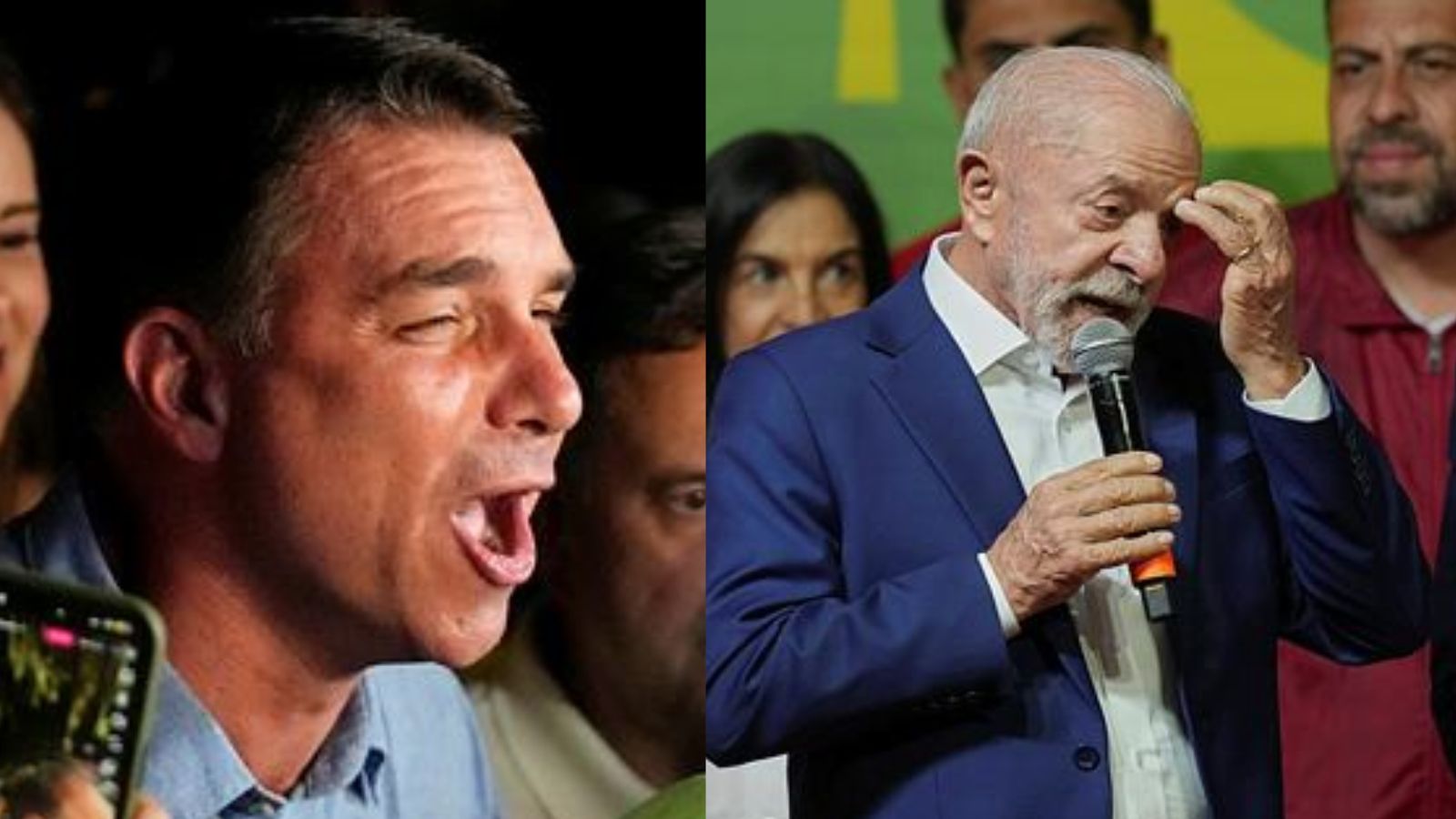
Weeks earlier, the mood had been entirely different. When the first round of the Brazilian presidential election closed on October 4, shockwaves rippled through the progressive base. Senator Flávio Bolsonaro, standard-bearer of the Liberal Party and carrying the political mantle of his family name, had edged ahead. Capturing roughly forty-seven percent of the valid vote, he outpaced incumbent President Luiz Inácio Lula da Silva, who sat at just over forty-five percent.
For millions of Brazilians who had spent years navigating intense political polarization, that October night felt like the ground shifting beneath their feet. Never in the modern history of Brazilian democracy had a first-round runner-up managed to reverse the momentum and claim victory in the runoff.
History whispered that it could not be done.
Yet, beneath the surface statistics and the cold tallies of the Superior Electoral Court, an invisible engine was beginning to turn. Consider what happened next. Instead of retreating into despair, civil society mobilized with astonishing speed. An organic wave of student-led demonstrations swept through metropolitan centers, while an army of grassroots content creators and everyday citizens took to digital spaces to reframe the debate.
The stakes were clear, yet deeply personal. For a retired teacher in Rio de Janeiro or a young gig worker navigating the bustling avenues of Salvador, the ballot box was not merely a political instrument. It was a referendum on the very soul of the republic.
As the campaign reset for the final sprint toward the October 25 runoff, the energy shifted from shock to fierce determination. Millions who had stayed home or cast protest votes in the initial contest re-engaged. Voter turnout surged. Nearly three million more citizens cast their ballots in the second round than had participated in the first.
When the polling stations closed and the electronic ballot boxes began transmitting their encrypted totals, the atmosphere inside campaign headquarters and family living rooms alike was palpable. Every percentage point reported by the electoral authority felt like a hammer blow against convention.
Slowly, methodically, the numbers flipped.
By late evening, the final tallies confirmed the impossible. Luiz Inácio Lula da Silva had achieved a historic political resurrection, securing over fifty-one percent of the vote to claim an unprecedented fourth term. Flávio Bolsonaro finished close behind with more than forty-eight percent, underscoring a nation still sharply divided down ideological lines.
Cheers erupted in the streets of São Paulo as supporters draped in red flags flooded the avenues, singing and weeping in relief. It was a moment of profound catharsis. But even as the confetti settled and the victory speeches echoed through the humid night air, the underlying reality remained unchanged. Brazil woke up victorious, but it also woke up split.
Democracy, as it turned out, was not a destination reached on a single Sunday evening. It was an ongoing, breathless negotiation between two fiercely contrasting visions of the future, waiting for the next chapter to unfold [cite: https://www.youtube.com/watch?v=gPTnDcSNbnE].
This video provides an up-close look at the tense atmosphere and decisive moments of the runoff election that secured Lula's historic victory.