A Room Full of Cold Air
The air in Bankova Street smells of cold coffee, diesel exhaust, and damp woolen coats.
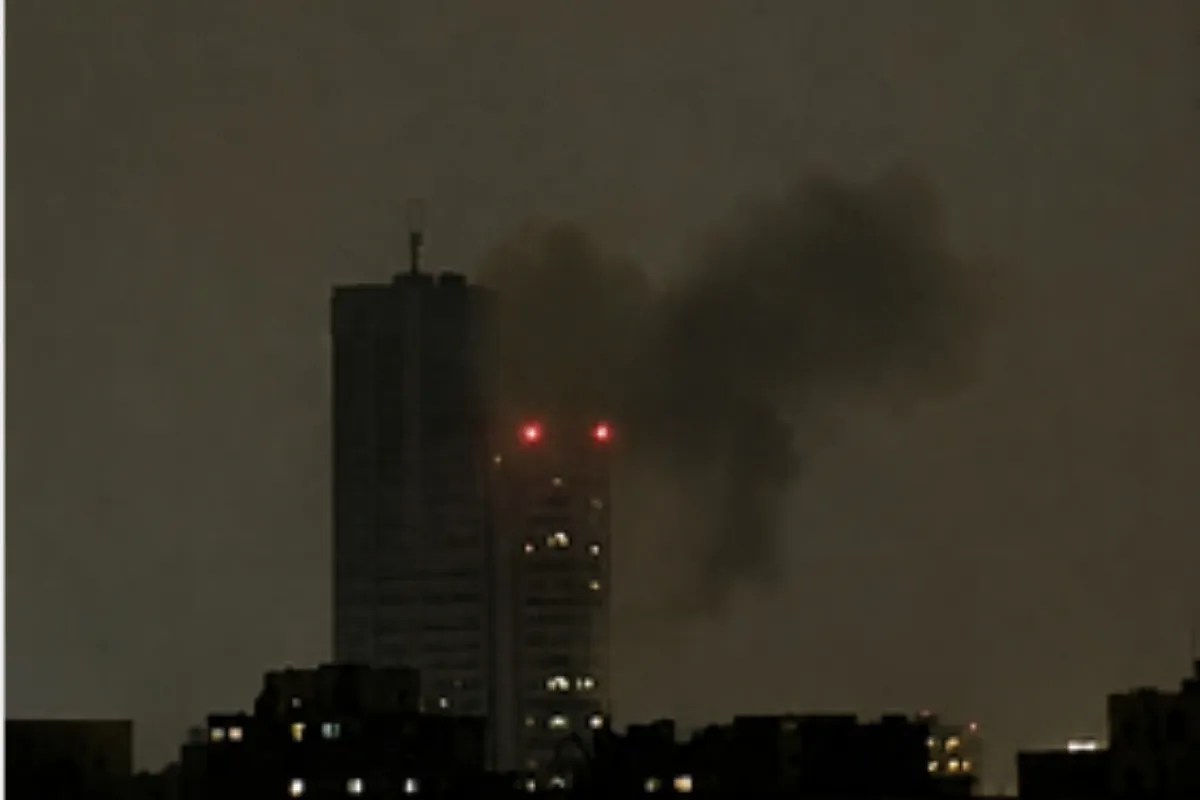
Outside, the street lights do not work. Blackout curtains obscure every window of the presidential administration building in Kyiv, casting the corridors into a twilight that seems independent of the clock. Inside one small, dimly lit room, two men sat across a low table, staring at a map that neither needed to look at anymore. Every tree line, every muddy trench around Avdiivka, every ruined factory floor in the east was already burned into the back of their eyes.
President Volodymyr Zelensky needed a change. General Valerii Zaluzhnyi knew it before the president even spoke the words.
Power during war is not a clean, vertical line. It is a rope pulled from both ends until the hemp begins to fray. For months, the tension between the political leadership in Kyiv and the military command on the front lines had been whispering through the corridors of power. Then the whispers spilled onto the streets. When thousands of citizens, exhausted by months of grueling winter stalemate and terrified of political instability, gathered under the gray skies to voice their anger and anxiety, the rope finally snapped.
Leadership in wartime is rarely about choosing between a good option and a bad one. It is almost always about choosing which tragedy you can survive.
The Weight of the Trenches
To understand why a commander-in-chief cuts loose his most celebrated military officer, you have to look past the press releases. You have to look at the mud.
Think of a modern army not as a machine, but as a living body. The soldiers are the muscle, fighting through frozen earth and artillery fire. The political leadership is the mind, keeping the nation focused on the long horizon, securing foreign aid, and managing the psychological endurance of forty million people.
When the muscle and the mind stop agreeing on how much pain the body can bear, paralysis sets in.
Zaluzhnyi was a general forged in the field. He spoke with the blunt, unvarnished vocabulary of a man who counts human lives lost every twelve hours. He saw the war through the brutal arithmetic of artillery shells, defensive lines, and mobilization numbers. To him, victory required brutal honesty about the staggering cost of holding every inch of dirt.
Zelensky, standing on the world stage, had a different burden. He had to convince a weary alliance of foreign nations that resistance was not only noble, but winnable. He had to keep hope alive in cities where power grids flickered out every night under Russian missile strikes.
When the general published a candid assessment declaring the war a stalemate, the political clock began ticking. In wartime, calling a conflict a stalemate isn't just an observation. It changes how allies write their budgets. It changes how soldiers feel when they step into a freezing trench at dawn.
When the Crowd Demands Answers
Protests in a war-torn capital do not look like protests anywhere else.
There are no festival banners or loudspeakers blasting music. There are mothers in heavy winter coats, veterans leaning on aluminum crutches, and young people who spent their teenage years learning how to build drones in their bedrooms. The anger that brought people out into the frost was not born of disloyalty to the nation. It was born of deep, bone-rattling fear.
People felt the gears slipping.
When rumors of the dismissal first leaked days before the official announcement, the public mood curdled into suspicion. Was this political jealousy? Was it a disagreement over mobilization laws that would decide which sons and husbands were drafted next? Or was it simply the unbearable weight of a war entering its third brutal year with no clean end in sight?
The crowd in the square didn't want a political drama. They wanted reassurance that the men in charge knew where the ship was heading. But when political strategy and military reality split apart, no president can afford to leave the steering wheel divided.
The Solitude of the Pen
Dismissing a national hero is a quiet act that makes a deafening noise.
When Zelensky signed the decree, he didn’t just replace an officer. He took sole ownership of whatever comes next. If the front line bends, the blame belongs to the desk in Kyiv. If a new offensive falters, there is no popular military figure left to absorb the impact.
Change in high command always carries a heavy price. New generals bring new tactics, new staff, and new friction. Orders must travel down through hundreds of miles of scrambled communications to soldiers who loved the man who was just removed. Trust at the tactical level is slow to build and instantaneous to lose.
The general walked out of the building into the dark Kyiv evening, his face as impassive as it had been on the first day of the invasion. The president returned to his desk, where the phone lines to Western capitals were already ringing.
Outside, the snow began to fall again, covering the tire tracks of military trucks moving east toward the fire.