The First Drop
Fear has a specific weight.
Ask any parent who has ever stood over a sleeping bassinet at three in the morning, listening to the soft, rhythmic whistle of an infant breathing, wondering if they are doing everything wrong. We carry an invisible ledger. Every choice, every ounce, every label read in the harsh fluorescent glare of a grocery store aisle gets tallied against the safety of a creature who cannot speak for themselves.
Then the news alert hits.
It starts as a ripple. A headline flashes across a glowing phone screen on a bedside table. Contamination. Recall. Infant formula.
Suddenly, the air in the room changes. Your stomach drops. You remember the brightly colored tin sitting on your kitchen counter, half-empty, the scoop buried somewhere inside the powder. You picture the bottles washed and lined up on the drying rack. Panic does not arrive as a polite thought. It crashes through the door, swinging wildly, turning every memory of feeding your child into a potential hazard.
That is the space where public health announcements must land. Not in sterile press rooms with microphones and podiums, but in the frantic, exhausted minds of mothers and fathers checking expiration codes in the dark.
For days, the recent alarm bells surrounding an infant formula scare triggered that exact, visceral terror for thousands of families. The whispers grew louder online. Forums buzzed with worst-case scenarios. Parents stared at their babies, searching their tiny faces for symptoms that hadn't been named yet, terrified of an invisible threat.
Lead poisoning.
The words alone carry a historic, grim dread. We know the stories of old paint, of contaminated pipes, of silent accumulation in small bones and developing brains. We know the irreversible toll it can take on a child’s future. So when rumors or preliminary warnings brush up against the words lead and infant formula, reason packs its bags and leaves the room.
Yet, as the dust settles and health authorities untangle the initial panic, a different picture emerges. A reassuring one.
There is no lead poisoning in children linked to the infant formula scare.
Read that again. Let the tightness in your chest ease just a fraction.
Behind the Bureaucracy
To understand how a scare of this magnitude balloons from a whisper into a national panic, you have to look at how safety systems actually work. They are designed to be paranoid.
Imagine a smoke detector sensitive enough to scream if you merely think about lighting a match on the other side of the house. That is modern food safety regulation. When testing flags an irregularity, regulatory bodies do not wait for absolute certainty before sounding the alarm. They act on precaution. They pull products. They issue warnings.
This is a good thing. We want our watchdogs to be hyper-vigilant. We want them to intercept problems before they reach a single kitchen.
However, there is a dangerous lag between a precautionary recall and the epidemiological data that follows. In that gap, imagination takes the wheel.
(As a hypothetical scenario, consider a local grocery store manager pulling a batch of powdered nutrition off the shelves on a Tuesday afternoon because a routine laboratory check showed a trace anomaly. By Tuesday night, a blurry photo of that shelf is on social media. By Wednesday morning, the caption has evolved from "precautionary removal" to "toxic contamination." The machinery of fear spins faster than the machinery of science.)
Science moves at the speed of data. Fear moves at the speed of light.
When health authorities stepped in to investigate the actual clinical fallout of the recent formula scare, they looked where it mattered most: the pediatric emergency rooms, the blood lead level screenings, the pediatrician clinics, and the toxicology reports.
They looked for sick children.
They found none linked to the product.
Public health agencies track heavy metal exposure through rigorous, ongoing surveillance networks. Children's blood is tested routinely during well-child visits, especially in vulnerable zip codes. If a widespread vector like contaminated infant formula were poisoning infants, the spikes would show up on regional dashboards with undeniable clarity. The data points would cluster. The pediatricians would sound the alarm from the examination rooms.
The dashboards remained flat. The clinics reported no cluster of symptoms, no unexplained developmental regressions, no elevated blood lead levels tied back to the formula tins sitting in pantries.
The safety net held.
The Cost of the Echo
Still, relief does not entirely erase the footprint of panic.
When you spend forty-eight hours believing you might have inadvertently harmed your newborn, something inside you frays. Parents who switched formulas abruptly in the middle of the night faced a different, immediate set of risks. Sudden dietary changes in infants can cause severe gastrointestinal distress, colic, refusal to feed, and deep parental anxiety.
We must acknowledge the collateral damage of modern media cycles. Information travels instantly, but context takes time to bake. In the rush to break a story, the distinction between a hazard identified by safety protocols and a public health crisis with injured victims gets blurred into oblivion.
For the caregiver standing in the kitchen, exhausted, sleep-deprived, and holding a bottle, nuance is the first casualty.
We need a better way to talk about risk. We need reporting that separates the structural victories of our food safety laws from genuine catastrophes. When a regulatory body prevents a contaminated batch from causing harm, that is a success story. It means the system worked. The guardrails caught the car before it went over the cliff.
Instead, the headline often reads like a funeral.
(Using a metaphor to clarify: Think of an airplane's automated warning system shouting Pull Up! Pull Up! because the flight path dipped slightly too close to a ridge line. The pilot corrects course and lands safely. Passengers walk away drinking coffee. A headline that screams Disaster Near Airport technically points to a near-miss, but it fundamentally misrepresents a successful flight.)
The infant formula scare was the cockpit warning system screaming. The plane never crashed. Not a single child ingested enough lead from these products to register clinical poisoning.
Looking Forward, Standing Still
The kitchen is quiet again.
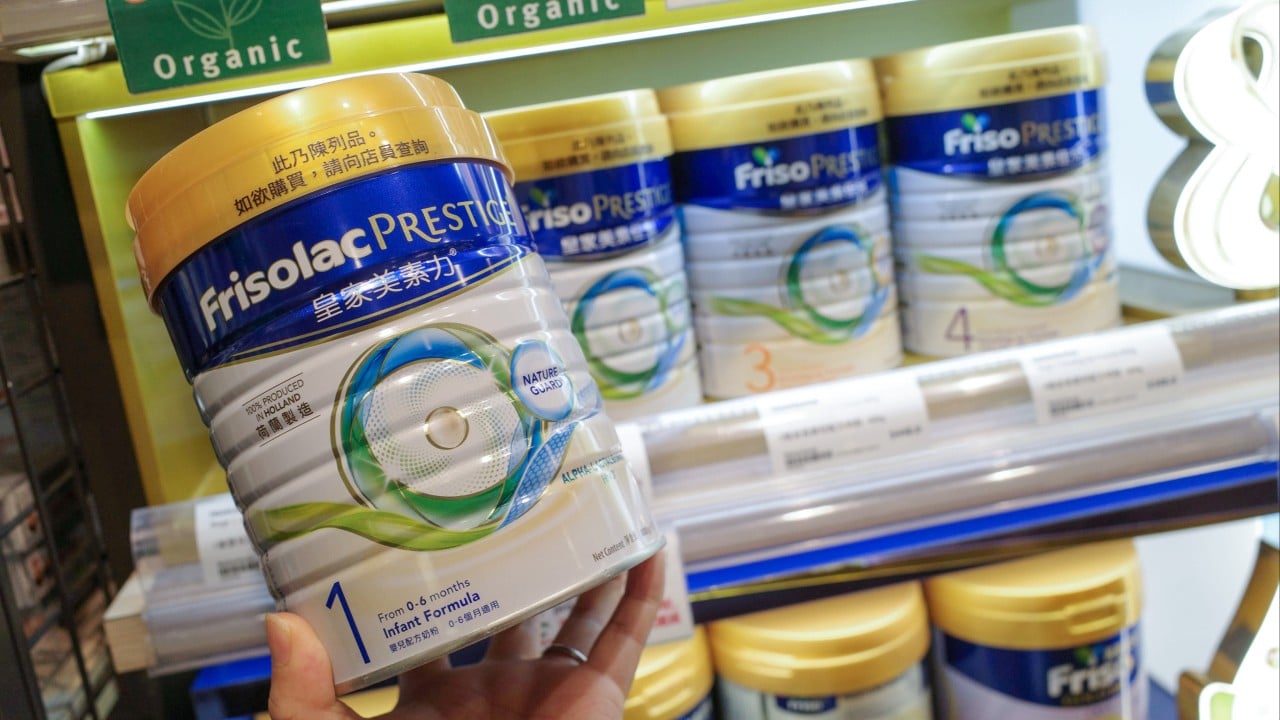
The formula can sits on the counter, looking entirely ordinary. It is easy to forget how fragile our sense of security truly is. We hand our children over to the modern world with blind trust, outsourcing the safety of their food, their water, and their air to distant laboratories, inspectors, and regulators we will never meet.
When that trust is shaken, the floor drops out.
Yet, the absence of tragedy in this instance is worth celebrating. It reminds us that behind the bureaucratic acronyms and dry government press releases are systems built by human beings trying very hard to protect other human beings.
Your child is safe. The milk in the bottle is clean.
Take a breath. Turn off the glowing screen on the nightstand. The kitchen is dark, and the only sound is the soft, rhythmic whistle of an infant breathing.