The rain in Massachusetts does not merely fall; it arrives with intent.
Ask anyone who has ever stood in a gravel parking lot in Foxborough as dusk turns the sky the color of a bruised plum. The wind comes off the flats, smelling of wet asphalt and cooling pine, sliding under coat collars before you even reach the ticket gates. On a normal night, that damp chill is just background noise. It is the friction that makes the warmth inside the stadium feel earned. You stamp your feet against the concrete, you trade jokes with strangers wearing identical tour merchandise, and you wait for the lights to drop.
Then, the announcement comes.
Not over a megaphone with the crackle of authority, but through the glowing rectangles in thousands of pockets. A push notification. A local news flash. Ed Sheeran’s concert canceled.
Silence. Or worse, the sudden, jagged murmur of twenty thousand people whose plans have just evaporated into a wet Tuesday evening.
Consider Sarah, who drove three hours from the Berkshires with her daughter, sixteen and clutching a handmade poster that had taken half a week to letter correctly. They had budgeted for this night since the spring. It wasn't just a ticket purchase; it was an emotional coordinate on the calendar, a destination circled in thick black ink after months of exams, long shifts, and the quiet, grinding monotony of routine. When the cancellation news flickered onto her phone, the silence in the car was heavier than the drops hitting the windshield.
Weather is an invisible director. We forget this in an age of concrete and climate control. We live as though our calendars are sacred texts, unalterable by something as primitive as atmospheric pressure or heavy rainfall. We book flights, we reserve hotels, we map out our joy down to the hour. But nature remains remarkably indifferent to our timelines.
The official reasons given to the public are always measured and clinical. Severe weather. Safety protocols. Infrastructure concerns. Unforeseen meteorological events. The words roll off press releases like water off a duck's back, designed to mitigate liability and manage logistics.
They do not tell you about the road crew that spent fourteen hours standing in standing water, trying to secure staging trusses that were beginning to sway like giant wind chimes in the gusts. They do not mention the sound engineers watching wind-speed meters climb past the safety threshold, knowing that a speaker stack blown off-center is not an inconvenience; it is a catastrophe waiting to happen.
We rail against the cancellation, feeling personally defrauded by the clouds. We look at a radar map glowing angry red and yellow over Gillette Stadium and feel a childish resentment. It’s just water, we think. We bought rain ponchos.
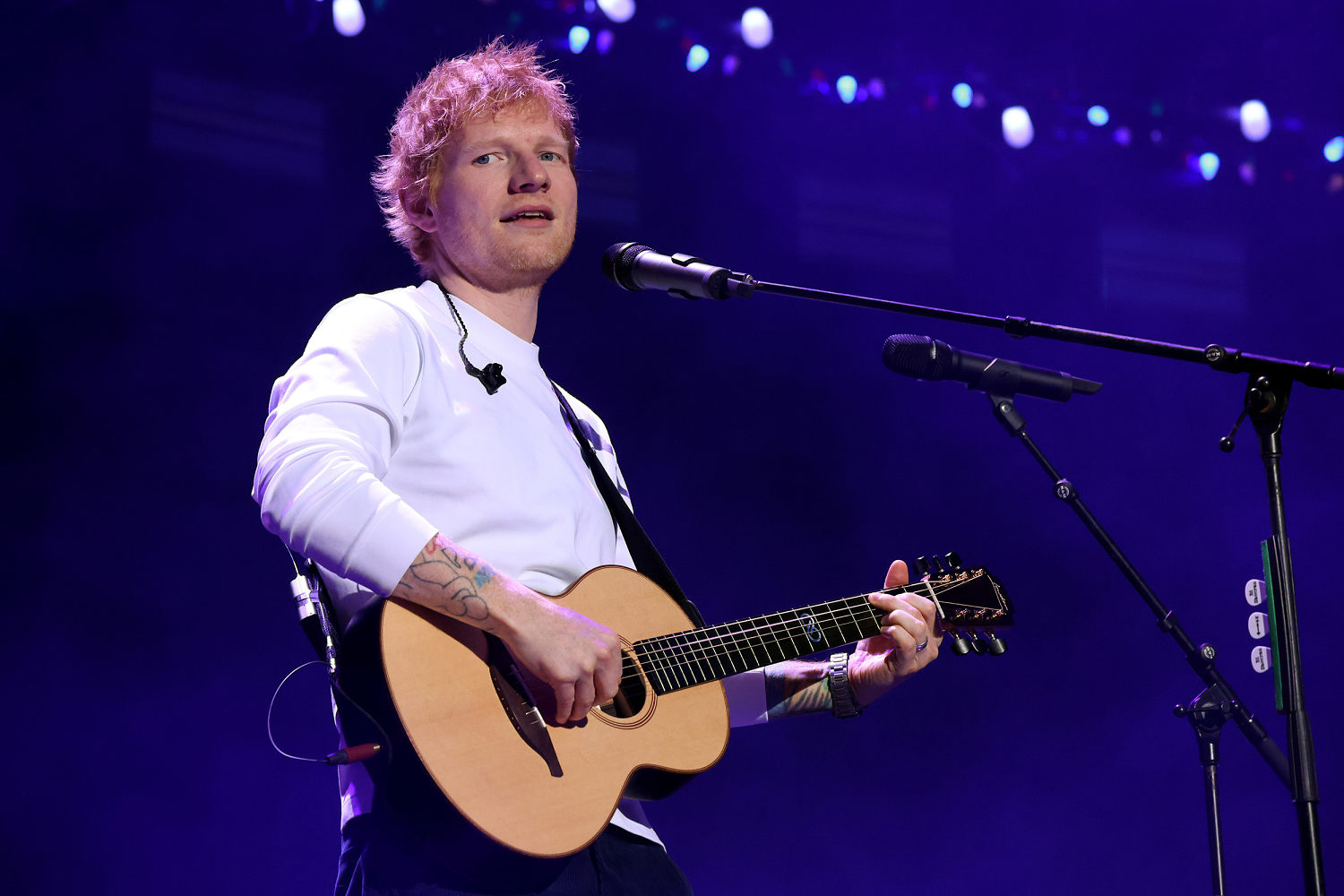
Yet safety is a quiet bargain. It is an agreement made in advance between the performer, the venue, and the audience that no song is worth a life, no chorus worth a crushed rib in a stampede caused by panic or structural failure. Ed Sheeran himself has spoken about these moments with a heavy, visible reluctance. For an artist whose entire performance model relies on a looping pedal, an acoustic guitar, and an unmediated, eye-to-eye connection with the crowd, standing behind a closed dressing room door while thousands mill about in the storm is its own unique brand of heartbreak.
Rain can ruin an acoustic guitar's fretboard in seconds. Moisture in the electronics can turn a million-dollar soundboard into an expensive paperweight. But those are material losses. The real loss is the collective energy—that rare, lightning-in-a-bottle communion where a stadium of strangers forgets their mortgages, their political arguments, and their loneliness to roar the bridge of "Castle on the Hill" into the dark.
When that energy has nowhere to go, it turns into a strange kind of static.
Driving away from Foxborough that night, the tail-lights smeared long red streaks across the wet tarmac. Traffic crawled at a miserable five miles per hour. On the radio, a local DJ tried to sound upbeat, spinning tracks while callers phoned in to voice their disappointment, their voices cracking with a fatigue that went deeper than lost ticket money.
This is the hidden cost of modern anticipation. We invest so much of our emotional capital into live events. In a world increasingly mediated by screens and isolated interactions, the mass gathering has become our secular church. We go there to prove to ourselves that we are still part of a tribe. When the weather rips that away, it feels like a personal eviction from community.
Yet, there is an unspoken resilience in the aftermath.
By ten o'clock, local diners along Route 1 were packed to the gills. Families in matching tour hoodies sat over lukewarm coffee and plates of fries, turning lemons into lemonade through sheer stubbornness. Guitars stayed in their hard cases in hotel trunks, but someone started humming a melody near the hostess stand, and within minutes, three different tables were quietly harmonizing.
The weather won the battle for the stadium. But it couldn't touch the stubborn human impulse to gather, to sing, and to wait for the storm to pass.
The stage lights remain unlit tonight. The rain continues to drum a steady, rhythmic tattoo against empty metal seats. But the tickets are tucked safely into drawers, rescheduled dates are being whispered across the internet, and somewhere out there, a sixteen-year-old girl is folding her handmade poster, keeping the ink dry for another day.