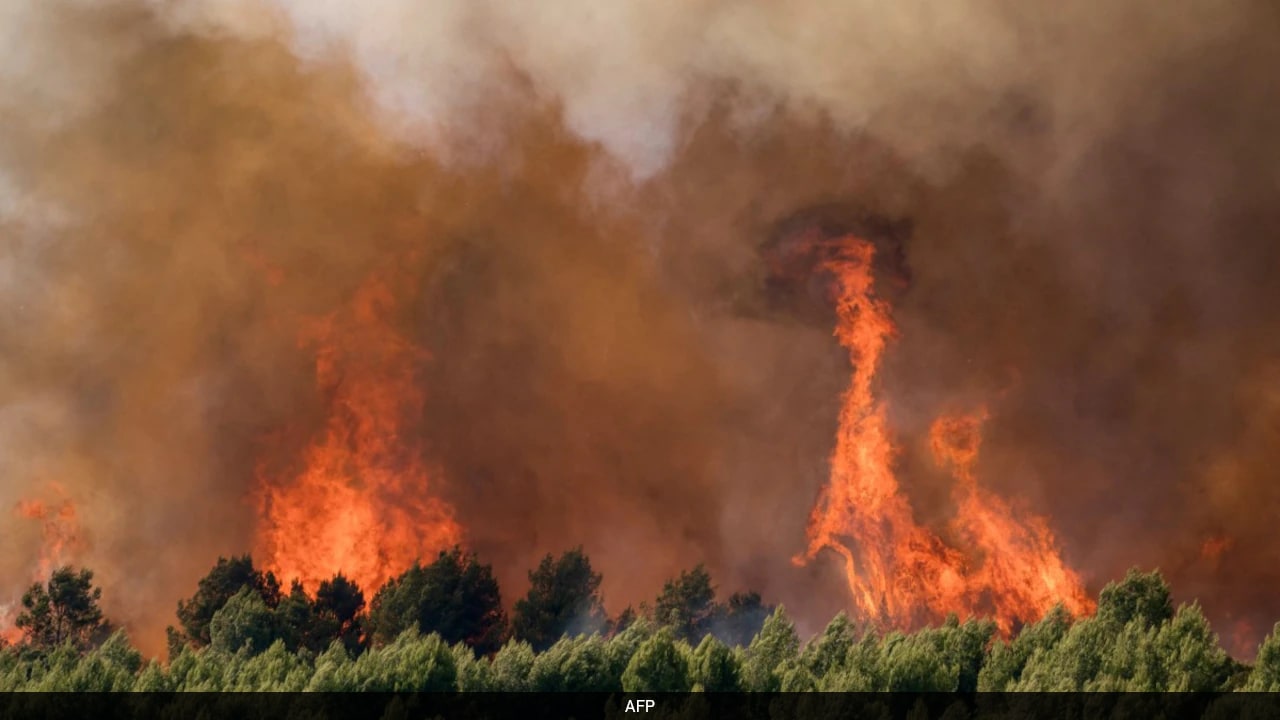
The wind in southern France usually carries the scent of wild rosemary, baked earth, and salted sea air. It is a smell that millions of travelers chase every summer, packing their cars and pitching tents under the canopy of ancient maritime pines. But on a Tuesday afternoon that began like any other, the wind changed. The air turned brittle. Within hours, the smell of vacation was entirely replaced by the choking, metallic tang of incinerated resin.
When a wildfire moves through a drought-stricken forest, it does not crawl. It sprints.
For the three thousand people forced to flee their homes, holiday rentals, and campsites across the region, the crisis did not begin with an official siren or a government alert. It began with a collective shift in the light. The Mediterranean sun, usually a brilliant gold, became a bruised, angry orange. Ash began to fall like gray snow into swimming pools and onto plastic dining tables.
Consider the reality of a sudden evacuation. We often read the statistics in the news—"3,000 evacuated"—and our brains process it as a logistical data point. We picture organized lines of buses and orderly exits. The truth on the ground is far more chaotic, dictated by raw human instinct and the sheer, terrifying speed of nature gone rogue.
The Anatomy of an Exit
Imagine standing in a convenience store or outside a tent, holding a cup of coffee, when the sky turns dark at two o'clock in the afternoon.
A campsite manager, let us call him Jean-Louis, had spent fifteen years building his quiet retreat near the coast. To him, the forest was not a hazard; it was a sanctuary. When the local gendarmerie drove through his gates with sirens wailing, shouting through megaphones for everyone to leave immediately, the sanctuary dissolved. There was no time to fold tents, no time to pack suitcases, no time to find the missing left shoe of a crying toddler.
People ran in what they were wearing—swimsuits, flip-flops, shorts coated in beach sand.
The immediate challenge of a mass evacuation in a tourist hotspot is infrastructure. The narrow, winding roads designed for scenic summer drives instantly transform into bottlenecks. Hundreds of cars, bumpers pressed against bumpers, trying to navigate through a haze so thick that headlights cannot pierce it. Drivers look nervously at their fuel gauges. Passengers watch the ridge line, where the treeline meets the sky, watching the orange glow creep closer.
Fire is loud. That is the detail that catches most survivors off guard. It is not a gentle crackle. A major forest fire roars with the intensity of a jet engine, a low, vibrating rumble that shakes the chest cavity long before the heat hits the skin.
The Thin Yellow Line
While thousands fled toward the safety of the coast and temporary shelters setup in municipal gymnasiums, hundreds of others drove directly into the smoke.
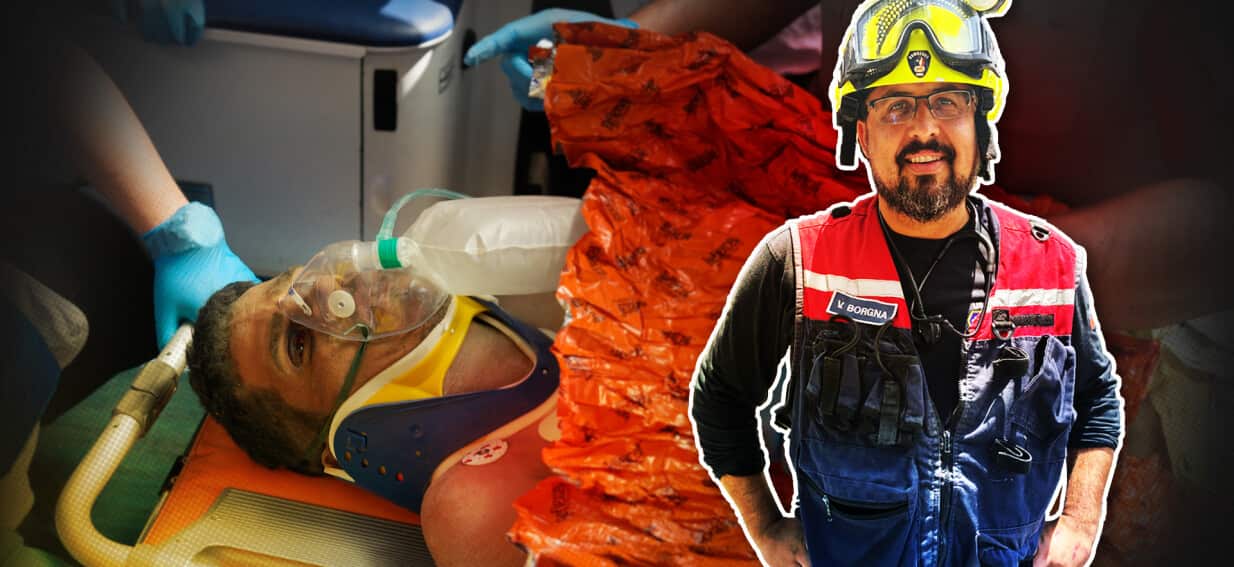
France’s sapeurs-pompiers—the country's firefighters—are uniquely trained for this specific brand of hell. Every summer, they wage a predictable yet escalating war against the combination of rising temperatures and drying winds. But knowing a threat is coming does not make the confrontation any easier.
To understand what these crews face, one must understand the behavior of the pine tree. The maritime pine is highly flammable. When heated to a certain temperature, the needles and resin do not just burn; they practically explode, sending embers flying hundreds of meters through the air. These airborne torches bypass firebreaks, jumping over roads and rivers to ignite new blazes behind the front lines. Firefighters call this spotting. It means the enemy is constantly dropping behind your back.
Water bombers, the iconic yellow and red planes known locally as Canadairs, swooped low over the sea, scooping up tons of water in a matter of seconds before banking sharply over the hills to drop their payloads. The precision required is immense. A drop too high evaporates before hitting the flames; a drop too low can crush the very structures they are trying to save.
Below them, on the ground, crews worked in suffocating heat, wearing heavy protective gear while the ambient temperature soared well past forty degrees Celsius. They fought for individual houses, standing in backyards with hoses, wetting down roofs as the wall of fire approached the property lines.
The Leftover Silence
By the time the sun fully set, the immediate panic had shifted into a strange, suspended animation.
In the emergency shelters, the atmosphere was a mix of intense relief and agonizing uncertainty. Total strangers sat side-by-side on blue exercise mats, sharing bottles of water and charging phones from extension cords. Children, confused by the sudden disruption, played tag between rows of cots, oblivious to the quiet conversations of their parents, who were scrolling through local news feeds looking for updates on their villages.
When you are evacuated, the worst part is not the running. It is the waiting.
It is the inability to know if the place you fell asleep the night before still has a roof, or if your car in the parking lot is now a melted shell of aluminum. The human mind abhors a vacuum of information, and in the space left by evacuation, anxiety thrives.
The true cost of these fires is rarely captured in the immediate aftermath. It is found in the weeks and months that follow. It is the economic devastation to small towns that rely entirely on the eight-week summer tourism window to survive the winter. It is the ecological trauma to a landscape that will take decades to recover its canopy.
The scale of the destruction forces a difficult realization. The summers we remember from our childhoods—the endless, carefree days under an unblinking sun—are changing. The heat is no longer just a luxury to be enjoyed; it is a force that must be managed, feared, and respected.
The fires were eventually contained, carved up and beaten back by the relentless work of the emergency crews and a favorable shift in the wind direction. The three thousand evacuees were slowly allowed to return, some to intact homes, others to scenes of heartbreaking loss.
The smoke eventually cleared, revealing a blackened, scarred landscape where the vibrant green of the forest used to be. The pine trees were gone, replaced by stark, charred silhouettes standing like sentinels over the ash. But beneath the soot, the earth remained, quiet and waiting for the rain.