Walk into a hardware store in Helsinki, Tallinn, or Warsaw right now, and you won't find people arguing about abstract geopolitical theory. You'll find folks checking the price of camping stoves, crank radios, water jerrycans, and medical kits. Across Northern and Eastern Europe, civilian war preparedness has moved out of government white papers and straight into everyday kitchens, apartment basements, and municipal budgets.
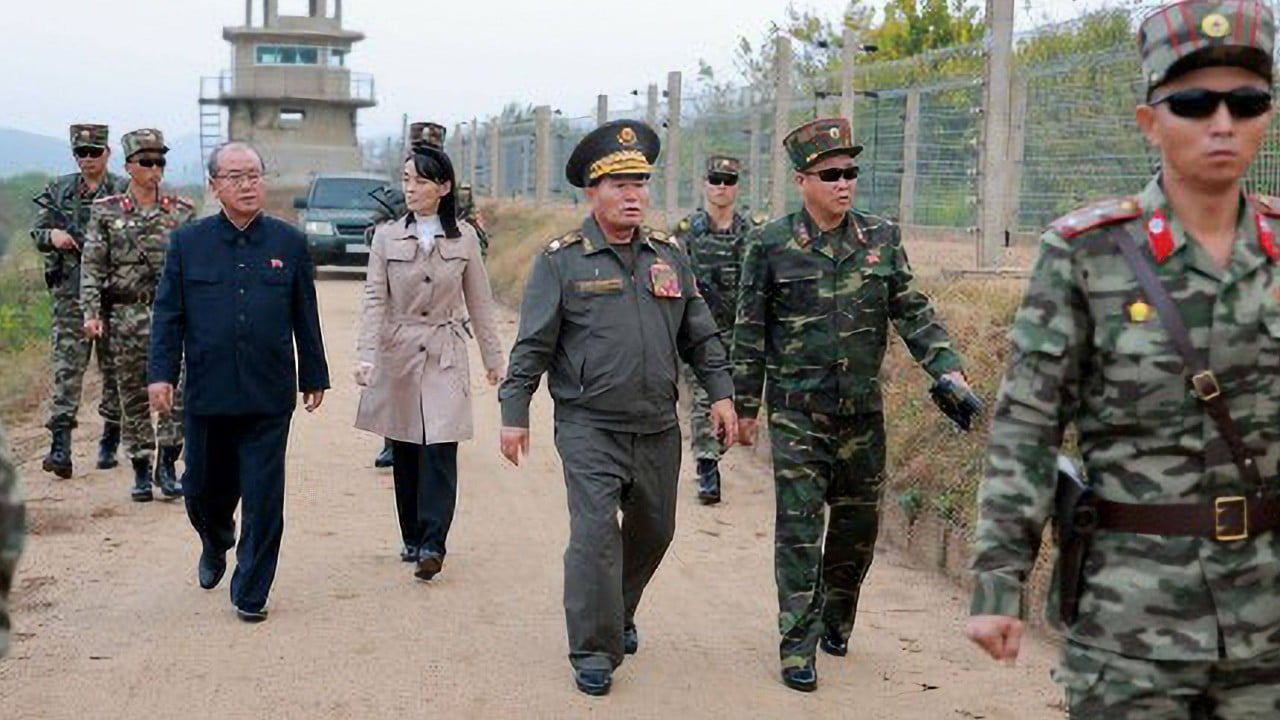
Russia's full-scale invasion of Ukraine shattered a comfortable assumption that many Western Europeans held for decades: that large-scale industrial war on the continent belonged to history books. Frontline states aren't waiting around to see if deterrence holds by accident. They're reorganizing entire societies around total defense, treating hospitals, power grids, ports, supermarkets, and ordinary citizens as active parts of national security.
Here's the blunt truth that trips up outsiders watching from afar. Buying a few tanks or joining an alliance isn't enough when an adversary targets energy grids, undersea cables, logistics hubs, and public morale. If society freezes during a crisis, the army stalls out too.
Why Total Defense Isn't Just a Cold War Throwback
People often hear "total defense" and picture dusty 1970s civil-defense drills or cheesy bomb-shelter posters. That misses what's actually happening on the ground. Modern total defense blends military muscle with civilian continuity, supply-chain redundancy, cyber resilience, and voluntary citizen forces.
Take Finland and Sweden, two countries that spent decades building—and then scaling back or retooling—comprehensive societal readiness models. In Finland, emergency stockpiling isn't treated as fringe prepping; it's baked into national policy through the National Emergency Supply Agency (NESA), which coordinates strategic reserves of grain, fuel, medicine, and industrial inputs alongside private companies. Finland even conducted its first blast tests on civil defense shelters in more than three decades to make sure subterranean protection holds up against modern weapons.
Sweden has pushed hard in the same direction, updating civil defense rules and staffing frameworks so authorities, municipalities, and citizens know their roles if tensions escalate or war breaks out. In November 2026, Sweden's parliament backed legislation modernizing how civil defense personnel are supplied and vetted for wartime organization. That isn't symbolic paperwork. It's a structural bet that keeping water, power, healthcare, and public order running requires trained people ready before a siren sounds.
Meanwhile, Norway has leaned into its own total defense model, dedicating 2026 as a Total Defence Year with major military and civilian exercises while urging households to stay self-sufficient for at least a week. Notice the logic there: when thousands of households can handle a week of power or supply disruption on their own, emergency responders and armed forces don't get swamped by basic survival calls.
The Eastern Flank Is Moving at Breakneck Speed
If the Nordics bring institutional depth and deep stockpiles, Poland and the Baltic states—Estonia, Latvia, and Lithuania—bring a sense of urgency born from geography. Sharing borders with Russia or Belarus changes how politicians talk about budgets and timelines.
Defense spending across Poland and the Baltics has surged toward roughly 5% of GDP in recent budget plans, putting these frontline nations far ahead of traditional NATO spending benchmarks. Politically, that's huge. Economically, it hurts a bit—money spent on air defense, artillery, border fortifications, and civil resilience isn't going into tax cuts or routine domestic projects. Yet voters in these countries have largely accepted the trade-off because they view deterrence as cheaper than occupation.
Civilian preparedness on the eastern flank also leans heavily on citizen-soldier and volunteer traditions. Groups like Estonia's Defence League, Latvia's National Guard, and Lithuania's Riflemen's Union connect everyday civilians with territorial defense, crisis response, and local resilience. Pair that with conscription and updated shelter and evacuation planning, and you get a society designed to resist both gray-zone sabotage and conventional assault.
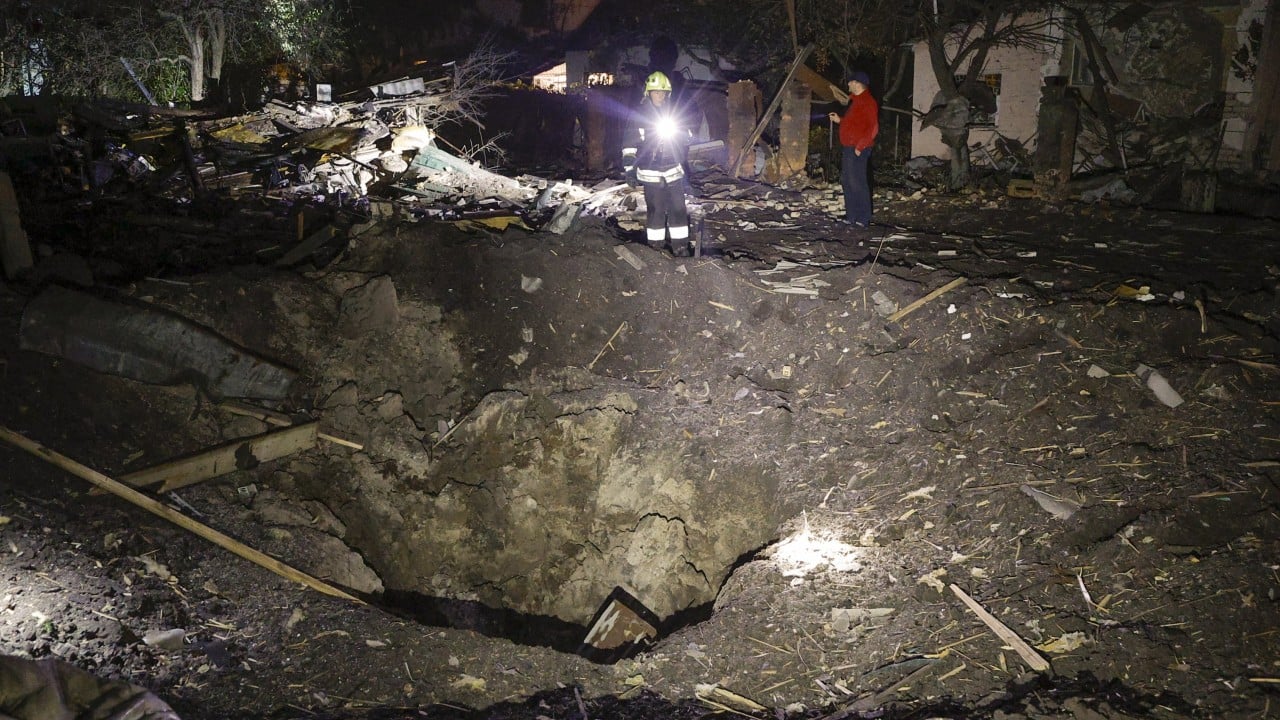
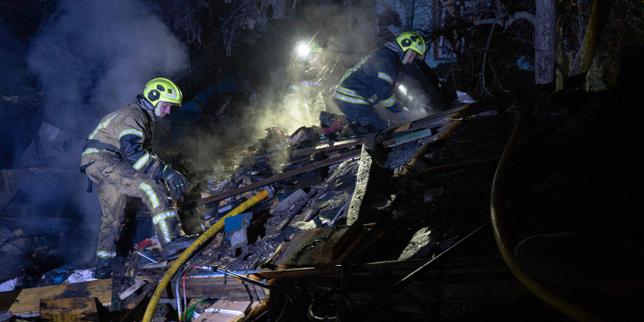
One detail worth highlighting is how closely these countries are studying Ukraine's wartime lessons. Russia's repeated strikes on power plants, substations, and logistics networks showed that modern war is a grinding test of repair crews, backup generation, telecoms, and community grit. Baltic and Nordic planners aren't guessing what breaks first—they're watching what broke in Ukraine and building redundancy around it.
Shelter Numbers Look Impressive Until You Check the Fine Print
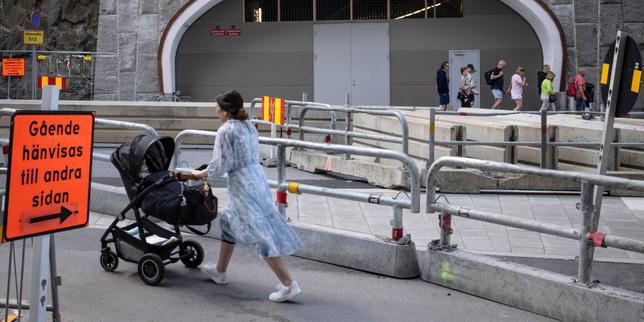
Shelter capacity is one of the easiest stats to misread. In a city like Helsinki, underground rock shelters—many used during peacetime as gyms, parking garages, or sports halls—can protect hundreds of thousands of people. Elsewhere, shelter coverage varies wildly by country, city, and building age.
Having shelter space on paper doesn't automatically mean everyone knows where to go, how fast they can get there, or whether ventilation, lighting, and sanitation work during a prolonged blackout. Real readiness takes maintenance, signage, drills, and honest audits of gaps. Honestly, some countries further west still treat bunkers as an afterthought compared to the frontline states.
What People Get Wrong About Civilian War Prep
Outsiders tend to fall into two traps when reading about Northern and Eastern Europe prepping for conflict.
The first trap is assuming governments expect an invasion tomorrow morning. Most officials and security analysts frame preparedness as deterrence and risk management. If an adversary sees a society that's brittle, panicky, and dependent on fragile imports, coercion looks tempting. If they see a society that can absorb shocks, keep factories and ports moving, and rally quickly, the calculation changes.
The second trap is thinking "preparedness" means turning into a lone-wolf survivalist. Real resilience in these societies is collective and boring. It looks like:
- Municipal coordination so local officials know how to keep clean water, heating, and ambulances running when electricity drops.
- Supply-chain agreements across borders so neighboring countries can share food, fuel, and medical goods if sea lanes or rail lines get hit.
- Information resilience so citizens don't fall for every rumor, deepfake, or panic wave during a hybrid attack.
- Everyday household basics like water, flashlights, cash, medications, and a way to get official news without relying solely on mobile data.
There's also a real debate over tone and balance. Some critics worry that constant war talk can stoke anxiety or push spending too far toward security at the expense of social services. Supporters counter that pretending danger isn't there didn't save anyone's peace of mind after 2022. Both arguments reflect genuine tension inside democratic societies—and that tension itself is part of the story.
Practical Ways to Build Real Household Resilience Without Panicking
Even if you don't live on NATO's eastern flank, the core idea behind Nordic and Baltic preparedness—covering the first few days of disruption calmly—makes a ton of sense for storms, grid outages, cyber incidents, or supply hiccups. Skip the doom-scrolling and focus on practical basics that actually work:
- Cover a 72-hour to 7-day baseline. Keep drinking water (roughly a gallon per person per day as a starting rule of thumb), non-perishable food you actually eat, manual can openers, basic first-aid supplies, and at least a modest buffer of small cash in case card networks go down.
- Plan for zero power and spotty cell service. Grab a reliable flashlight or headlamp, spare batteries or a solar/hand-crank radio, and a charged power bank. Write down key phone numbers and local emergency contacts on paper—phones die or networks clog when everyone calls at once.
- Audit medications and documents. Keep an extra supply of essential prescriptions where feasible, along with copies of IDs, insurance policies, and medical info in a waterproof pouch or encrypted format you can access offline.
- Talk to your household and neighbors. A five-minute conversation about where to meet, how to check on older or vulnerable neighbors, and who handles what during an outage beats buying expensive gear you never test.
- Stick to verified official sources. During high-stress events, rumors spread faster than facts. Pick two or three trusted local or national emergency channels ahead of time so you aren't guessing what's real when noise spikes.
Preparedness doesn't have to make you fearful. Done right, it just buys you time, clarity, and calm when things go sideways.