You saw it coming, or maybe you didn't. Military print is back in heavy rotation. It happens every decade or so, fashion cyclically digging through its old suitcases to pull out the exact pieces we swore we threw away after high school. This time, the early noughties aesthetic is running the show.
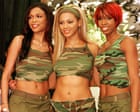
Think back to the year 2003. Destiny’s Child ruled the charts, low-rise cargo pants were mandatory wear, and camouflage print was everywhere from music videos to red carpets. Artists didn't just wear camo to match a casual vibe; they wore it oversized, accessorized with chunky belts, tinted sunglasses, and enough attitude to stop traffic.
Now, that exact military style is marching right back into our closets. But you shouldn't just dust off your old gear and hope for the best. The way we style utility prints today requires a bit more finesse. If you aren't careful, you'll end up looking like you're heading straight for a tactical training camp instead of brunch.
The Evolution of the Y2K Military Trend
Fashion loves a functional contradiction. During the early 2000s, pop stars took garments originally designed for combat and invisibility, splashed them in bright neon colors, and turned them into symbols of hyper-visible stardom. Justin Timberlake, Britney Spears, and Rihanna during her early ascent all leaned hard into utilitarian styling.
It wasn't subtle. Cargo pockets were deep enough to hold a portable CD player. Pants dragged on the floor. Jackets featured heavy epaulets and distressed washes. The appeal was simple: it mixed rugged durability with an edgy, rebellious streetwear spirit.
Today's revival pulls from that exact visual playbook, yet it borrows smarter tailoring cues from contemporary streetwear. Brands are trading the stiff, heavy cottons of twenty years ago for softer drapes, relaxed fits, and unexpected fabric blends. You get the nostalgic punch of noughties pop culture without feeling weighed down by two pounds of thick canvas.
Spotting the Real Trend vs Costumes
There's a fine line between a sharp seasonal nod and wearing a literal Halloween costume. Most people mess this up by going head-to-toe camouflage.
Don't do that.
If you wear a camo hoodie, camo pants, and camo sneakers simultaneously, you completely lose the styling nuance. You stop looking like an intentional dresser and start looking like you're trying to hide in a living room ficus.
Instead, treat camouflage as a statement anchor. Pick one dominant utility piece per outfit. Let a pair of relaxed-fit utility trousers do the heavy lifting while you keep the top half clean and minimal. A crisp white ribbed tank top or a fitted black t-shirt creates the right balance against loud cargo trousers.
Or flip the script. Wear a structured camo chore jacket over a simple slip dress or neutral knitwear. Contrast is your best friend here. The secret to making noughties trends look fresh in the current decade lies in mixing rugged workwear with sleek, understated basics.
Choosing the Right Print and Palette
Not all camouflage is created equal. The classic woodland green print with black, brown, and beige splotches carries heavy historical weight. It’s loud, traditional, and instantly recognizable.
If you want a modern interpretation, look toward alternative colorways:
- Desert and urban camos featuring muted stone, greys, and charcoal tones feel much easier to style with a contemporary wardrobe.
- Monochromatic takes where the print is rendered in shades of navy blue or olive-on-olive offer a subtle, low-key nod to the trend without screaming for attention from across the street.
- Digital or pixelated patterns lean further into the Y2K techno-optimism vibe if you want to dial up the noughties energy.
Pay attention to scale, too. Oversized prints make a bold, aggressive statement. Micro-camo prints printed on unexpected items like silk scarves, structured handbags, or lightweight button-ups offer a quieter way to participate without overhauling your entire aesthetic.
How to Build Outfits That Actually Work
Let's look at how to put these pieces together for real-world wear.
Start with proportions. Noughties fashion was defined by volume—baggy bottoms paired with fitted tops, or vice versa. Recreating this dynamic gives your outfit instant visual rhythm. If you're wearing wide-leg utility pants with oversized pockets, pair them with a cropped or fitted sweater.
Footwear makes or breaks the look. Heavy combat boots reinforce the military origin, but pairing your camo trousers with sleek retro sneakers or minimalist loafers grounds the outfit in modern street style. Avoid overly chunky skate shoes unless you are fully committing to a literal retro cosplay look.
Accessories matter just as much as the core garments. A nylon crossbody bag, silver hardware jewelry, or a simple beanie can pull the entire look together. Keep extra details sparse. When your pants or jacket feature a loud print, let the rest of your accessories stay understated.
Making Utility Wear Last Beyond the Hype
Trends come and go at breakneck speed. By next season, the fashion cycle will shift to something else entirely. But utility wear and military aesthetics have a weird way of sticking around because they actually serve a practical purpose.
Cargo pockets hold your phone, keys, and wallet without needing an extra bag. Heavy-duty cotton twill survives rough weather and repeated washes. Camouflage prints hide minor stains better than almost any other textile pattern ever invented.
If you invest in a quality piece—whether it's a vintage surplus jacket or a well-tailored pair of utility trousers—you aren't just buying into a fleeting pop culture throwback. You're adding a durable, endlessly functional staple to your wardrobe that will look just as good when the noughties nostalgia wave finally flattens out.
Keep your silhouettes clean, balance the loud prints with neutral basics, and wear it like you own it.