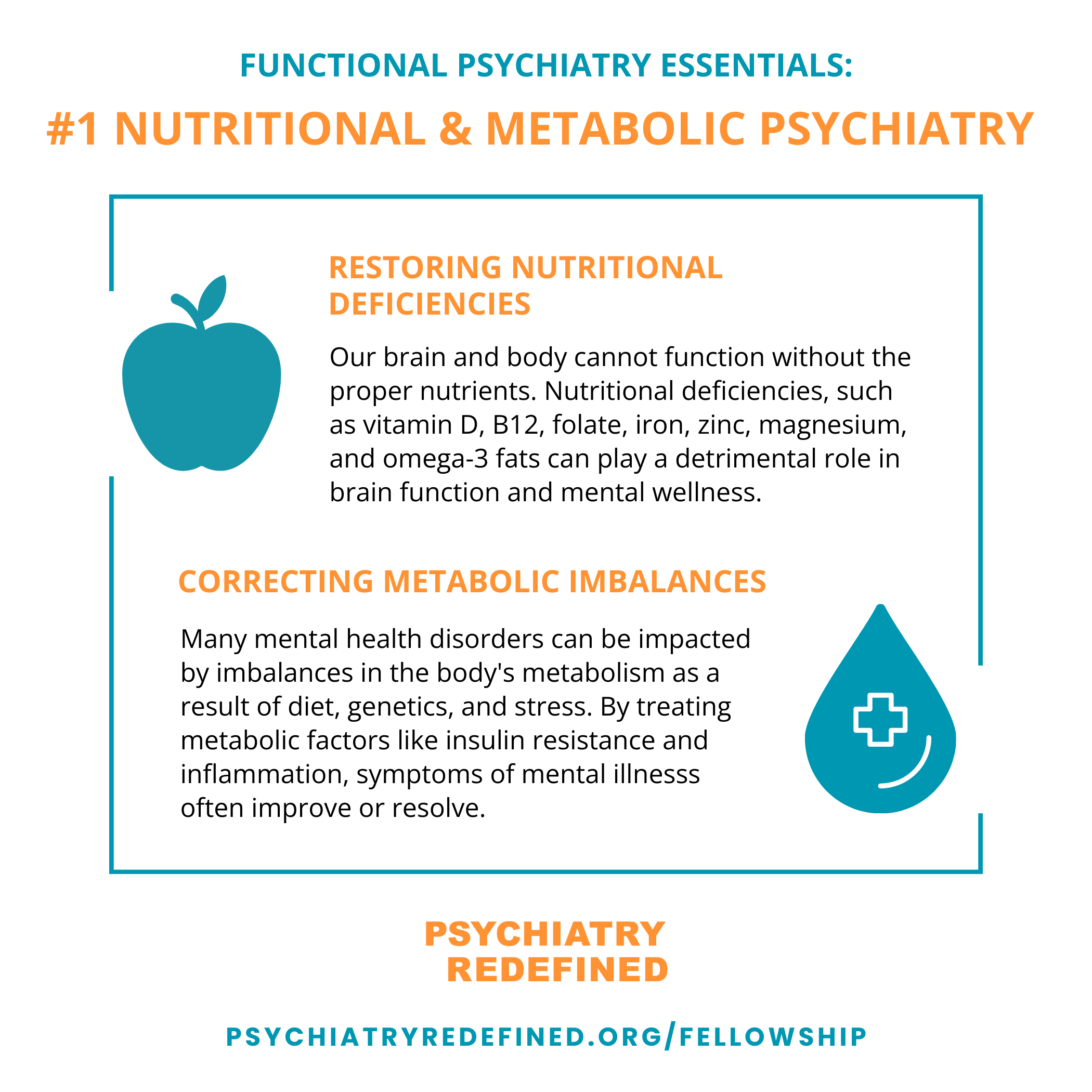
The shift in global dietary guidelines toward animal-sourced proteins and lipid-heavy profiles is not merely a trend in wellness; it is a structural response to the systemic failure of the high-carbohydrate, insulin-centric model of the late 20th century. By prioritizing nutrient density over caloric volume, these new frameworks aim to correct a multi-decadal divergence between human evolutionary biology and industrial food processing. The "war on sugar" is the tactical application of a deeper strategic objective: the stabilization of glycemic variability to prevent the compounding costs of chronic metabolic dysfunction.
The Tri-Pillar Framework of the Nutritional Pivot
The transition away from refined carbohydrates is built upon three physiological and economic pillars. Understanding these pillars is necessary to move beyond the "good vs. evil" narrative of food and into a functional analysis of biological inputs.
1. The Amino Acid Bioavailability Coefficient
Unlike plant-based proteins, which often lack specific essential amino acids or contain them in lower ratios, animal proteins provide a complete profile with superior bioavailability. The Diaas (Digestible Indispensable Amino Acid Score) serves as the primary metric here. Animal sources consistently score above 1.0, whereas most plant sources fall between 0.4 and 0.6.
This discrepancy creates a metabolic bottleneck. To achieve the same muscle protein synthesis (MPS) triggered by 30 grams of whey or beef protein, an individual must often consume double or triple the caloric load of plant-based alternatives. The new guidelines recognize that in an aging population facing sarcopenia, the efficiency of the protein source is a critical variable in maintaining lean mass and basal metabolic rate.
2. Lipid-Mediated Hormonal Signaling
The demonization of saturated and monounsaturated fats resulted in a massive influx of polyunsaturated fatty acids (PUFAs) and refined sugars into the food supply. We are now seeing a reversal based on the role of fats in endocrine health. Cholesterol and saturated fats are precursors to steroid hormones, including testosterone and estrogen. Furthermore, fats provide the structural integrity for cellular membranes and the myelin sheath in the nervous system.
The move toward "healthy fats" specifically targets the optimization of the Omega-3 to Omega-6 ratio. Standard Western diets often reach ratios of 1:20, driving systemic inflammation. The new guidelines aim for a target closer to 1:4 or 1:1, utilizing animal fats and specific fruit oils (olive, avocado) to dampen the inflammatory response.
3. The Insulin-Glucose Feedback Loop
Refined sugars and high-glycemic carbohydrates trigger rapid spikes in blood glucose, necessitating a corresponding surge in insulin. Over time, this results in the downregulation of insulin receptors—the precursor to Type 2 Diabetes and Metabolic Syndrome. By stripping sugar from the "acceptable" tier of dietary inputs, the guidelines aim to flatten the glucose curve. This is a move toward metabolic flexibility: the body’s ability to switch efficiently between burning glucose and burning stored adipose tissue (fat).
The Cost Function of Sugar Modernization
The economic burden of the previous high-carb guidelines is staggering. When sugar is the primary fuel source, the body enters a cycle of "hyper-insulinemia followed by reactive hypoglycemia." This creates a "hunger-loop" that drives overconsumption.
- The Satiety Gap: Protein and fats trigger the release of peptide YY (PYY) and cholecystokinin (CCK), hormones that signal fullness to the brain. Sugar and refined carbs lack this feedback mechanism, leading to a "caloric surplus/nutrient deficit" paradox.
- The Glycation Tax: Chronic high blood sugar leads to the formation of Advanced Glycation End-products (AGEs). These molecules "cross-link" with proteins in the body, damaging blood vessels, skin collagen, and organ tissues. This is effectively an accelerated aging process.
- Hepatic Load: Fructose, unlike glucose, can only be processed by the liver. When consumed in high volumes through high-fructose corn syrup or refined sucrose, it leads to Non-Alcoholic Fatty Liver Disease (NAFLD), a condition that was virtually non-existent in the general population sixty years ago.
The Mechanism of Lipid-Based Energy Systems
To understand why "healthy fats" are being prioritized, one must examine the mitochondrial efficiency of different fuel sources. Fatty acid oxidation (beta-oxidation) produces a higher yield of Adenosine Triphosphate (ATP) per molecule compared to glycolysis.
| Fuel Source | ATP Yield (Approximate) | Metabolic Byproducts |
|---|---|---|
| Glucose (1 molecule) | 30-32 ATP | Pyruvate, Lactate |
| Palmitic Acid (1 fat molecule) | 106 ATP | Carbon Dioxide, Water |
While glucose is a "fast-burning" fuel required for high-intensity anaerobic bursts, fats provide a "slow-burning" and more stable energy substrate for the majority of human activity. The new dietary stance suggests that for the sedentary or moderately active individual, a fat-dominant metabolism reduces oxidative stress and provides more consistent cognitive clarity by preventing "brain fog" associated with glucose crashes.
Mapping the Conflict: Animal Protein vs. Plant-Based Narratives
The friction between these guidelines and the "plant-based" movement is often framed as a moral or environmental debate, but from a rigorous strategy perspective, it is a debate over Nutrient Density per Hectare.
Animal products—specifically ruminant animals—concentrate nutrients that are otherwise inaccessible to humans. Grass-fed beef converts cellulose (which humans cannot digest) into highly bioavailable Vitamin B12, Heme Iron, Zinc, and Creatine. While plant-based diets can be engineered to meet these needs, the complexity of supplementation and the risk of anti-nutrients (such as phytates and oxalates which inhibit mineral absorption) make animal protein a more "fail-safe" biological input.
The "War on Sugar" is effectively an attempt to remove "empty" inputs that provide calories without micronutrients. In a resource-constrained environment, whether that resource is a person’s daily caloric limit or a nation's healthcare budget, empty calories represent a negative ROI.
Structural Implementation of a Low-Sugar High-Protein Protocol
Moving from theory to execution requires a precise hierarchy of dietary choices. This is not a "diet" in the restrictive sense, but a systemic re-ordering of inputs.
Phase 1: Glycemic Stabilization
The first step is the elimination of liquid sugars and high-fructose syrups. These are the most damaging inputs because they bypass the body's natural satiety signals and hit the liver with immediate force. Replacing these with water or electrolyte-dense fluids stabilizes the baseline insulin levels.
Phase 2: Protein Anchoring
Every meal is built around a protein "anchor." By hitting a target of 1.6g to 2.2g of protein per kilogram of target body weight, an individual ensures MPS is maintained and hunger is suppressed. This anchor should ideally be a whole-food animal source to maximize the intake of fat-soluble vitamins (A, D, E, and K2) found in animal tissues.
Phase 3: Lipid Integration
Once protein and glucose are managed, fats are used as a "sliding scale" for energy. In this framework, fat is not a "side dish" but the primary energy substrate. This includes monounsaturated fats for cardiovascular health and saturated fats for hormonal support.
The Logical Constraints of the New Guidelines
No strategy is without risk or limitation. The pivot toward animal proteins and fats must account for individual genetic variance. For instance, individuals with the APOE4 allele may process saturated fats differently, potentially leading to elevated LDL-particle counts.
Furthermore, the quality of the animal protein matters. Processed meats containing nitrates and high levels of sodium do not provide the same metabolic profile as whole-muscle meats or organ meats. The strategy relies on "whole-food" inputs; moving from high-sugar processed food to high-fat processed food is a lateral move, not an upgrade.
The Strategic Path Forward
The data suggests that the "war on sugar" is won by shifting the body's primary fuel source rather than through sheer willpower. By increasing the intake of bioavailable animal proteins and stable fats, the physiological drive for sugar is naturally diminished through hormonal stabilization.
For the individual, the tactical move is to prioritize protein at the first meal of the day to set the metabolic tone, followed by the systematic replacement of refined vegetable oils with stable animal or fruit-based fats. At the institutional level, we can expect a gradual shift in food labeling that penalizes "added sugars" more heavily while re-evaluating the "heart-healthy" labels previously given to low-fat, high-sugar cereals. The focus has moved from "low fat" to "low glycemic," and the winners in this new paradigm will be those who master the art of nutrient-dense, lipid-centric fueling.
End the reliance on exogenous glucose. Prioritize high-DIAAS protein sources. Utilize lipids as the primary energy substrate to minimize oxidative stress and insulin resistance. This is the blueprint for metabolic longevity.