Political commentators love a personality parade. Every election cycle in Aotearoa, the standard media playbook reduces a complex, multi-party democratic contest into a neat biographical listicle of party leaders and challengers—putting figures like National’s Christopher Luxon alongside emerging or minor-party voices like Qiulae Wong of the Sustainable New Zealand Party or TOP-aligned independents as if individual charisma alone decides who governs from the Beehive.
That framing relies on a fundamental misunderstanding of New Zealand’s electoral architecture. Since adopting Mixed-Member Proportional (MMP) representation in 1996, New Zealand elections have rarely been won by the single most compelling personality at the podium. Instead, outcomes hinge on coalition arithmetic, party-vote thresholds, electorate overhang mechanics, and the strategic survival of smaller parties hovering near the 5 percent mark.
The Myth of the Presidential Race
Standard political coverage frequently borrows tropes from American or British first-past-the-post elections, treating party leaders as de facto presidential candidates. While Christopher Luxon, as leader of the National Party and Prime Minister following the 2023 election, naturally commands institutional visibility, focusing exclusively on top-of-the-ticket personalities obscures how power is actually assembled in Wellington.
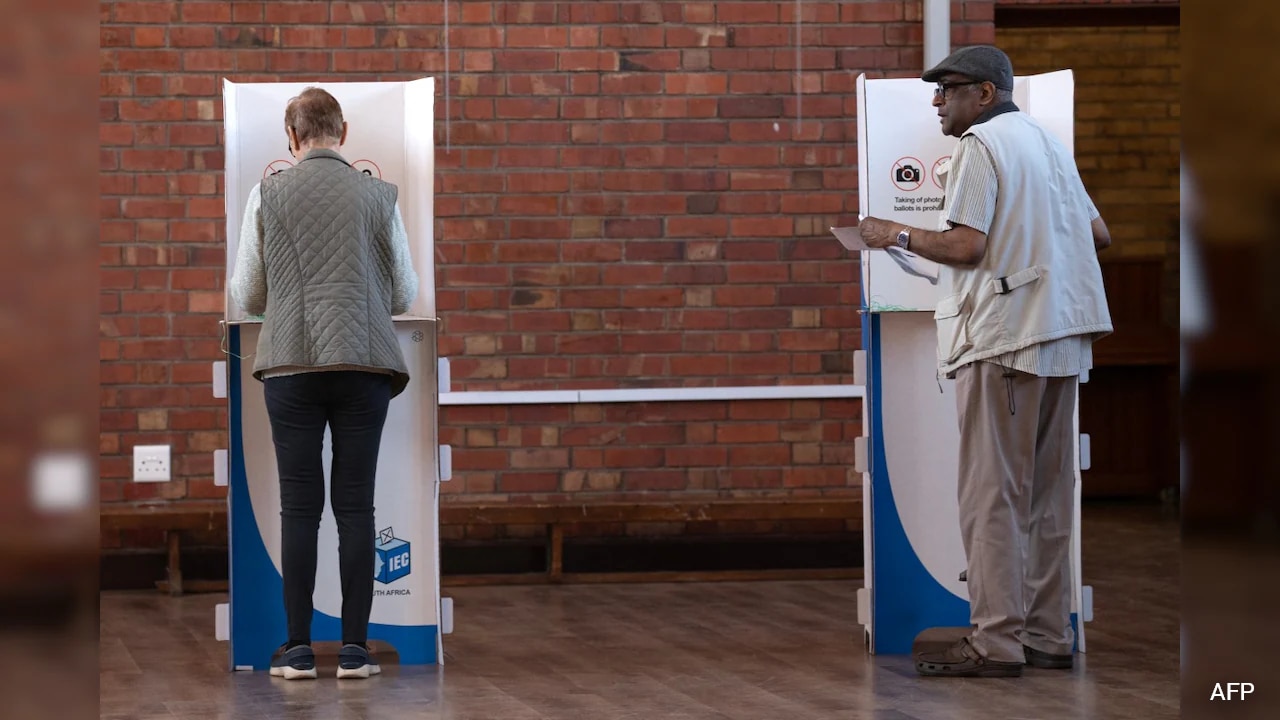
According to political scientists and historical voting data from the Electoral Commission, New Zealand voters routinely split their tickets—casting an electorate vote for a local candidate while giving their crucial party vote to a different party altogether. Under MMP, the party vote determines the overall share of seats in the 120-member Parliament (barring electorate overhangs). A high-profile leader can dominate television debates and still find themselves locked out of government if potential coalition partners fail to clear the 5 percent party-vote threshold or secure an electorate seat.
Why Minor Figures and Micro-Parties Matter Differently Than You Think
When articles lump together major party leaders like Luxon with minor-party figures such as Qiulae Wong—who contested Auckland Central for the Sustainable New Zealand Party in 2020 before the party deregistered in 2021—they often treat minor candidates as colorful footnotes or long-shot disruptors.
In reality, minor parties in New Zealand function less as direct contenders for executive power and more as structural pressure valves on the MMP threshold. Political analysts point out two distinct ways minor movements alter election outcomes:
- The Wasted Vote Dynamic: Under Section 191 of the Electoral Act 1993, a party that fails to win either 5 percent of the nationwide party vote or at least one electorate seat receives zero list seats in Parliament. Votes cast for parties polling at 1 or 2 percent are effectively redistributed proportionally among the parties that do cross the threshold. In tight elections, a handful of micro-parties collectively capturing 3 to 4 percent of the vote can shift the balance of seats between the major left and right blocs without ever entering Parliament themselves.
- Electorate Lifeboats: Conversely, a single electorate victory bypasses the 5 percent rule entirely, bringing list MPs into Parliament on the coat-tails of one local win. Strategic voting in seats like Epsom, Tāmaki Makaurau, or Auckland Central has repeatedly reshaped coalition math far more decisively than nationwide leader favorability ratings.
Coalition Friction Over Individual Branding
Another blind spot in personality-driven election previews is the assumption that a party leader’s personal platform translates directly into government policy. In New Zealand, governing almost always requires post-election coalition or confidence-and-supply negotiations.
Following the 2023 general election, National’s path to government required formal coalition agreements with both ACT New Zealand, led by David Seymour, and New Zealand First, led by Winston Peters. As reported across New Zealand political coverage, those negotiations demonstrated that smaller coalition partners wield disproportionate policy leverage on specific portfolio demands, deputy prime ministerships, and legislative priorities—regardless of how the largest party campaigned beforehand.
Similarly, on the centre-left, Labour leaders from Helen Clark to Jacinda Ardern and Chris Hipkins have had to navigate relationships with the Green Party and Te Pāti Māori, where divergent stances on taxation, climate policy, and Te Tiriti o Waitangi shape both campaign strategy and governing viability.
What Voters and Observers Should Watch Instead
Rather than tracking biographical profiles or treating minor-party candidates from past cycles as current kingmakers, informed observers look at four structural indicators ahead of a New Zealand general election:
- The 5 Percent Polling Margin: Watch parties polling between 3.5 percent and 6 percent in reputable polls such as 1News Verian or Talbot Mills. Whether a party lands at 4.8 percent or 5.1 percent changes the seat allocation across the entire Parliament.
- Key Electorate Races: Monitor seats where a local win could trigger coat-tailing or create an overhang seat, expanding Parliament beyond 120 MPs and altering the majority threshold needed to govern.
- Party Vote vs. Electorate Vote Splits: Track shifts in urban and provincial ticket-splitting, particularly in battleground electorates across Auckland, Wellington, and the Māori electorates.
- Pre-Election Coalition Signals: Pay attention to which parties rule each other out before election day. Under MMP, an election is not simply a contest between individuals—it is a contest between viable governing combinations.
Understanding New Zealand elections requires looking past individual names on a roster and examining the electoral rules that turn raw votes into parliamentary seats.