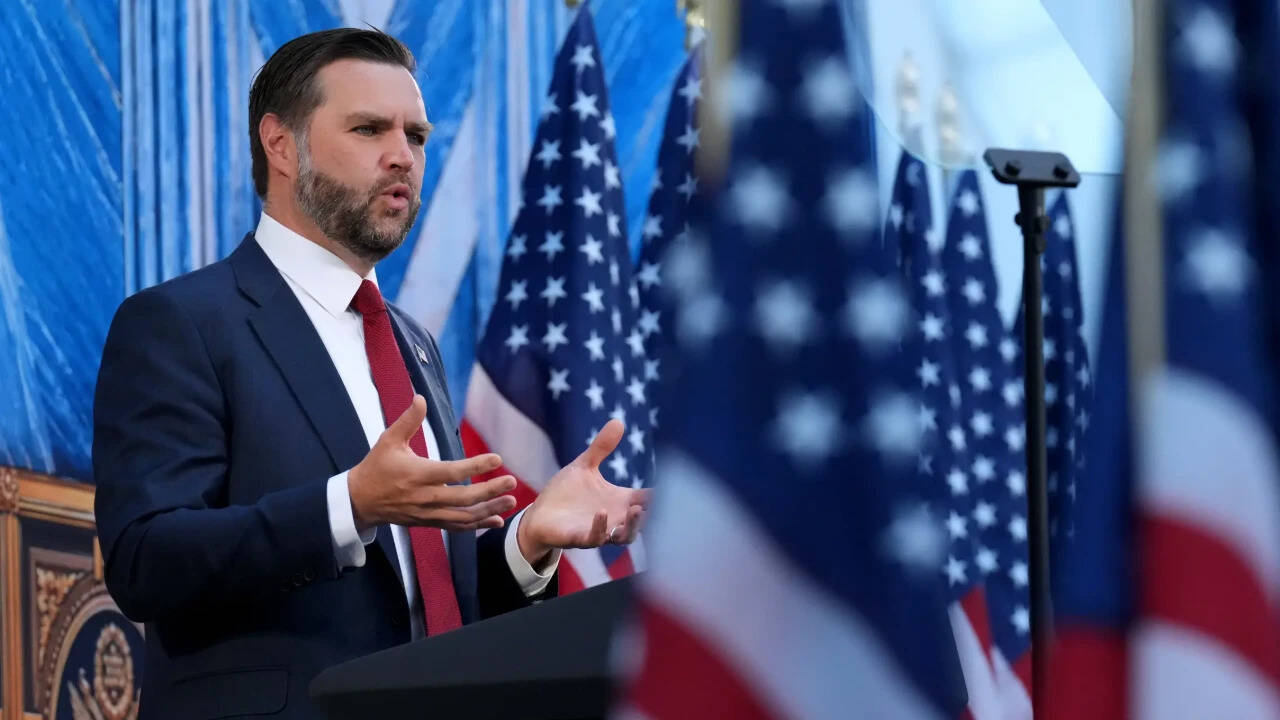
The media circus surrounding JD Vance and his physical transformation is a masterclass in missing the forest for a single, twig-sized tree. When a journalist uses an official press conference to grill a sitting vice-presidential candidate about his diet, the collective IQ of the Washington press corps drops twenty points. Fox News anchors nod along, pundits dissect metabolic rates, and the public is fed a steady diet of superficial trivia disguised as political analysis.
Stop treating a politician's waistline like a public policy blueprint.
Every time a headline asks about the secret behind a prominent figure shedding pounds, millions of readers swallow a toxic narrative: that political fitness correlates with functional competence, or worse, that public figures owe us bodily conformity. The lazy consensus says this is human interest journalism. It is not. It is a distraction engine designed to convert rigorous scrutiny into lifestyle magazine fodder.
The Anatomy of a Manufactured Metaphor
Look at how the media treats physical transformations in high office. When a politician loses weight, the cultural machine immediately frames it through the lens of discipline, control, and moral elevation. When they gain weight, it becomes a whisper network about stress, failing health, or lack of executive stamina. Both frames are deeply flawed.
Metabolism is biology, not a ballot initiative. More importantly, physical presentation in modern politics functions as armor, not an index of character.
I have watched strategists spend millions on image consultants, tailoring every public appearance down to the collar size and waistline, specifically to engineer approachability. The obsession with JD Vance's physical changes ignores the structural reality of how political aesthetics are manufactured. You are looking at a stage prop and mistaking it for the actor.
Why the Diet Secret Question is a Trap
When reporters pivot from economic policy, foreign entanglement, or legislative history to ask about caloric intake, they hand the politician a golden shield. Diet talk is safe. It is relatable. It allows a polarizing figure to crack self-deprecating jokes, pivot away from substantive institutional critique, and project everyday normalcy.
Imagine a scenario where a journalist asks a hard question about supply chain vulnerabilities or antitrust enforcement, only for the news cycle to completely erase it twenty-four hours later in favor of a debate on intermittent fasting and Diet Mountain Dew consumption.
That is not an accident. It is a feature of modern media management. By engaging with the physical transformation narrative, the public walks straight into a diversionary maze. You spend your energy arguing over whether a high-protein regimen works for a campaign schedule while the structural decisions that actually govern your life slip through unexamined.
The Uncomfortable Truth About Political Optics
Let us be entirely honest about what is happening here. The fascination with political weight loss taps into our own collective anxieties about health, control, and aging in a high-stress society. We want to believe that powerful people possess a hidden key—a routine, a supplement, a secret discipline—that makes them immune to the decay the rest of us face.
It is an illusion. High-stakes political environments do not promote health; they ravage it. The late-night phone calls, the cross-country flights, the endless fundraising circuits, and the stress of constant public scrutiny create a physical toll that no amount of clean eating can fully offset. If a politician drops weight on the trail, it is usually a byproduct of grueling schedules, erratic sleep, and sheer logistical chaos, not a wellness retreat.
To pretend otherwise is to buy into the corporate wellness myth that personal discipline can outrun systemic pressures.
How to Fix Your News Diet
If you want to break free from the outrage-and-trivia cycle, you have to change how you consume political reporting. Stop clicking on lifestyle-disguised-as-news articles. When you see a headline focusing on a politician's physical appearance, wardrobe, or interpersonal trivia during a policy briefing, treat it as a flashing red warning light that substance is being withheld from you.
The media gives you what you click on. As long as we reward trivial physical trivia with engagement, newsrooms will keep serving it up, replacing hard investigations with calorie counts and tailoring gossip.
Demand better questions. Refuse to take the bait. The next time a press conference turns into a diet seminar, turn it off.


