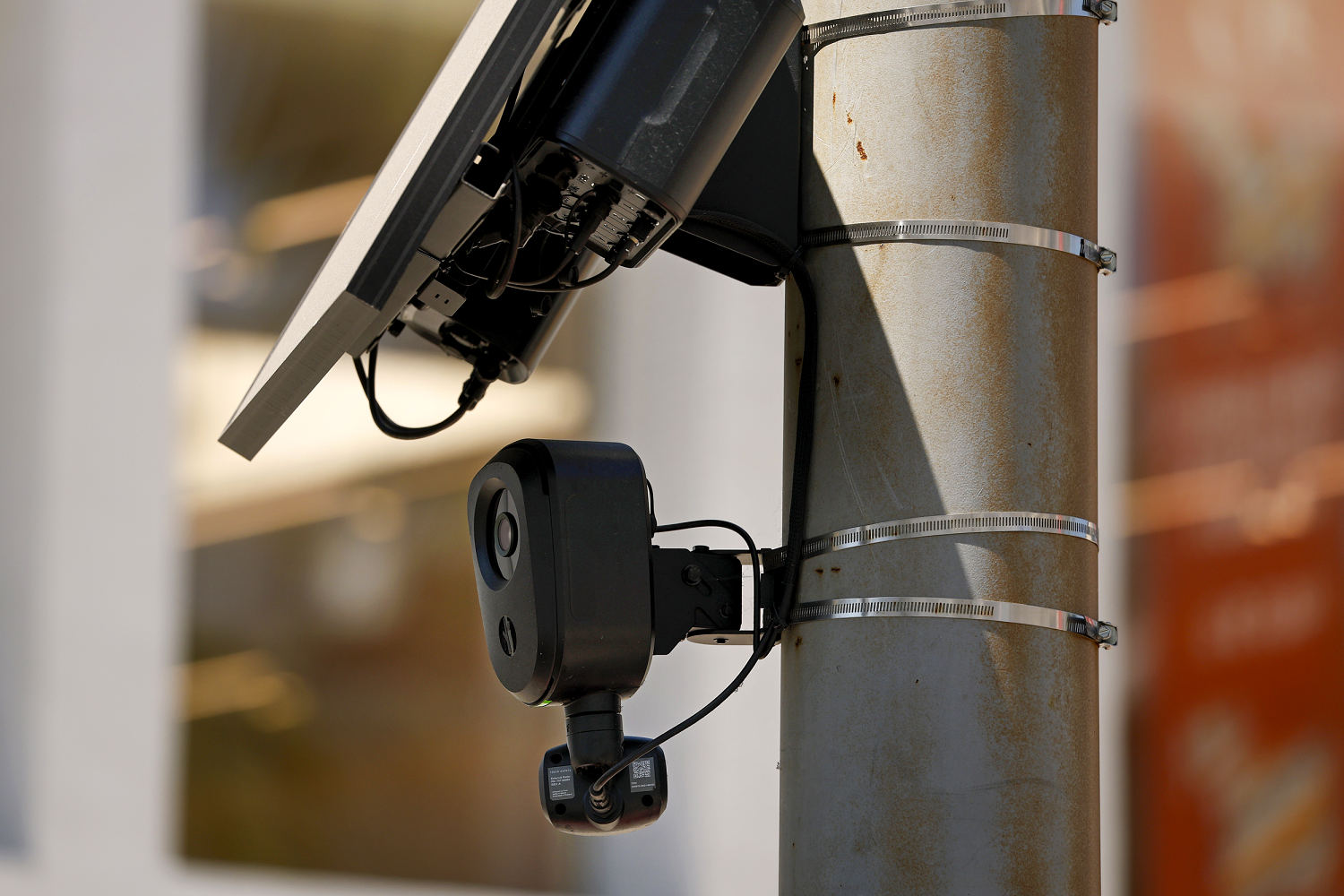
We live in an age addicted to digital panopticons. Every time a string of property crimes hits the headlines, the lazy consensus immediately demands more metal poles, more lenses, and more automated tracking infrastructure staring down at our streets. People point fingers at automated license plate readers like Flock cameras, acting as if a few broken gadgets spell the collapse of modern safety, while completely missing the structural architecture of why these systems fail in the first place.
I have watched organizations burn millions of dollars deploying passive monitoring gear under the guise of foolproof protection, only to watch criminals bypass the entire setup with a piece of cardboard and a roll of painter's tape. If you think slapping more sensors on a telephone pole stops determined malicious actors, you are selling yourself a comforting illusion.
Let us define the core misunderstanding. Automated surveillance networks are marketed as omniscient shields. They are not. They are historical logging tools. They do not prevent crimes; they catalog them after the fact. Relying on passive data collection to deter active threats is like installing a smoke detector and expecting it to put out the fire.
Imagine a scenario where a municipality spends its entire law enforcement tech budget on high-definition optical sensors. Every vehicle passing a choke point gets scanned, logged, and cross-referenced against centralized databases. Sounds airtight on paper. In practice, the database bloat creates massive administrative fatigue, generating thousands of false positives daily. Analysts drown in routine noise while real threats slip through unhindered.
We see the exact same institutional delusion playing out in legacy institutions like the military, where headlines hyperventilate over naming conventions for naval hardware as if a coat of paint or a historical moniker dictates tactical superiority. It is performative distraction at its finest. Debating whether a warship honors a political figure or a battlefield hero serves as excellent media fodder for cable news, but it changes precisely zero percent of actual operational readiness on the water.
Stop looking for silver bullets in gadgetry. Real security is active, decentralized, and deeply human. It relies on community engagement, rigorous intelligence work, and physical hardening rather than outsourcing vigilance to automated lenses that can be blinded by a muddy puddle or disabled with a pair of wire cutters.
The next time you hear a pundit lamenting the vandalism of street-corner tracking units, ask yourself who actually benefits from the narrative that we are just one camera installation away from total safety.
Tear down the illusion. Fix the fundamentals.


