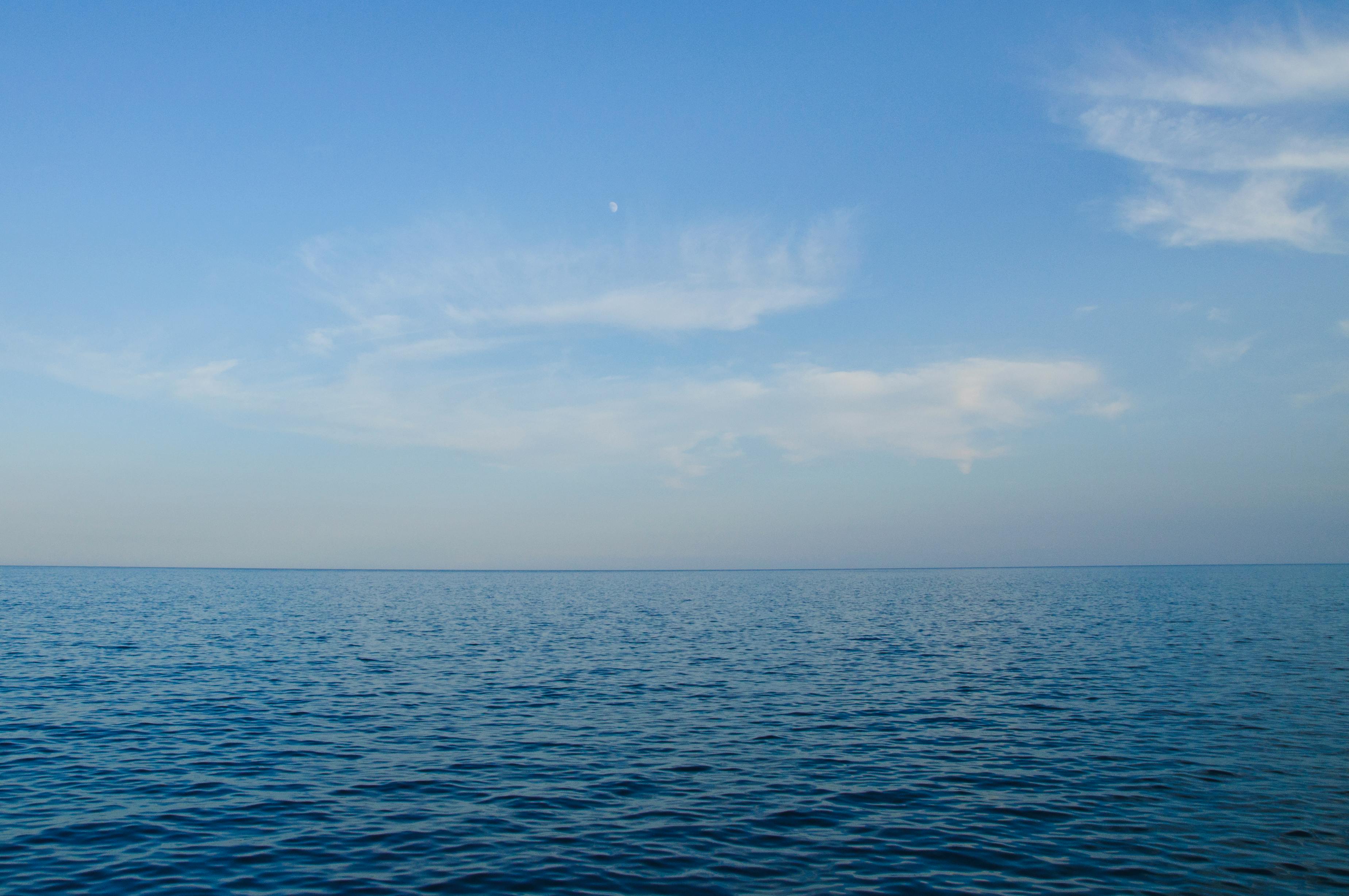
The sea does not knock. It arrives in the dark, sliding over the threshold with the quiet weight of a wet shoulder, tasting of salt and old iron.
Ask anyone who has watched the Pacific swell rise past the seawall in Pacifica, and they will tell you about the sound first. It is not the comforting, rhythmic lullaby you pay thousands of dollars a night to hear from a hotel balcony. It is a concussive thud. It is the sound of tons of cold water slamming against concrete, testing the joints of a coastline that humans decided to treat as permanent.
Right now, the Pacific Ocean is breathing heavily. Far out in the deep blue, beneath the surface currents where the giant squids hunt and the pressure could crush a submarine like a soda can, water temperatures are climbing. A powerful El Niño is waking up. And when the Pacific stirs, California holds its breath.
Consider Clara, a retired botanist living in a weathered wooden house perched on a bluff in San Clemente. She has lived through three decades of coastal storms. She knows the smell of ozone before a squall, the way the gulls go silent right before the wind turns. But this season feels different. Last November, she stood on her back deck and watched a thirty-foot strip of her neighbor’s lawn simply slide down the cliff face into the white froth below, taking a rusted patio chair and a row of succulents with it. Gravity did not negotiate. The ocean simply ate the foundation, and the earth gave way.
That is what a powerful El Niño does. It acts like a conveyor belt of atmospheric moisture, lifting warm water from the equatorial zone and slamming it directly against the western edge of North America. It twists the jet stream like a rubber band, pointing fire hoses of rain straight at shores that are already exhausted, already crumbling.
We look at the coastline as a line on a map. A hard boundary where blue meets tan. But geography is not a contract; it is a negotiation that is constantly being lost.
To understand why this current El Niño cycle is terrifying geologists and city planners alike, you have to look down at the sand. Beaches are not static parking lots. They are dynamic, living buffers. They are shock absorbers. When gentle waves roll in during the summer months, they push sand up onto the shore, widening the beach. But when winter storms fueled by El Niño arrive, they act like a vacuum cleaner. Towering, high-energy waves tear the sand away from the shore, dragging it out into deep-water bars.
When the sand disappears, the cliffs are left naked.
Drive down the Pacific Coast Highway after a major storm hits, and you will see the scars. You will see orange plastic netting flapping in the wind, marking where twenty feet of asphalt used to exist before a landslide carved it out. You will see multi-million-dollar homes cantilevered dangerously over empty air, their swimming pools cracked down the middle like broken eggshells, waiting for the next big swell to tip them into the tide.
(Note: When I speak of these cliffs collapsing, I am describing a geological reality that municipal engineers measure in tons per square foot, not just a metaphor for environmental decline.)
For decades, we built as if the land were immortal. We carved communities out of ancient dunes, paved over natural estuaries, and built sea walls out of boulders and concrete to hold back an adversary that never gets tired. But sea walls are arrogant. They interrupt the natural cycle of the shore. When a wave hits a concrete wall, it doesn't dissipate peacefully; it bounces downward, scouring the sand out from beneath its own foundation until the wall itself collapses into the surf.
It is a feedback loop of our own making. We tried to pin the ocean down, and the ocean is currently slipping our knots.
The economic ripple effect of this erosion is staggering, though numbers on a ledger fail to capture the human cost. When a stretch of coastal railway hangs suspended over a void in San Clemente—as has happened repeatedly in recent winters—freight lines halt, commuters are stranded, and a vital economic artery of the nation goes silent. Tourism dips. Local businesses that rely on the sun-drenched image of the southern California strand find themselves staring at muddy, debris-choked shorelines where the tourists refuse to walk.
Yet, there is a strange, fierce beauty in watching nature reclaim what was briefly borrowed.
In the middle of a torrential downwelling, when the sky turns the color of a bruised plum and the rain comes down in sheets so thick you cannot see the hood of your car, the coastline feels entirely untamed. It reverts to what it was before developers drove the first wooden stake into the dunes. It belongs to the wind, the salt, and the raw, kinetic energy of the deep.
Clara knows she will eventually have to leave her house. She looks at the cracks forming in her concrete driveway every morning with the detached clarity of a scientist studying a specimen she already knows is doomed. She isn't angry at the ocean. You cannot be angry at the tide anymore than you can be angry at winter for being cold.
She is simply watching the horizon, listening to the thunder of the water against the bluff, and wondering how much longer the ground beneath her feet will remember to hold her up.
The storm is coming. The water is warming. And the edge of the continent is waiting to see how much more it can afford to lose.