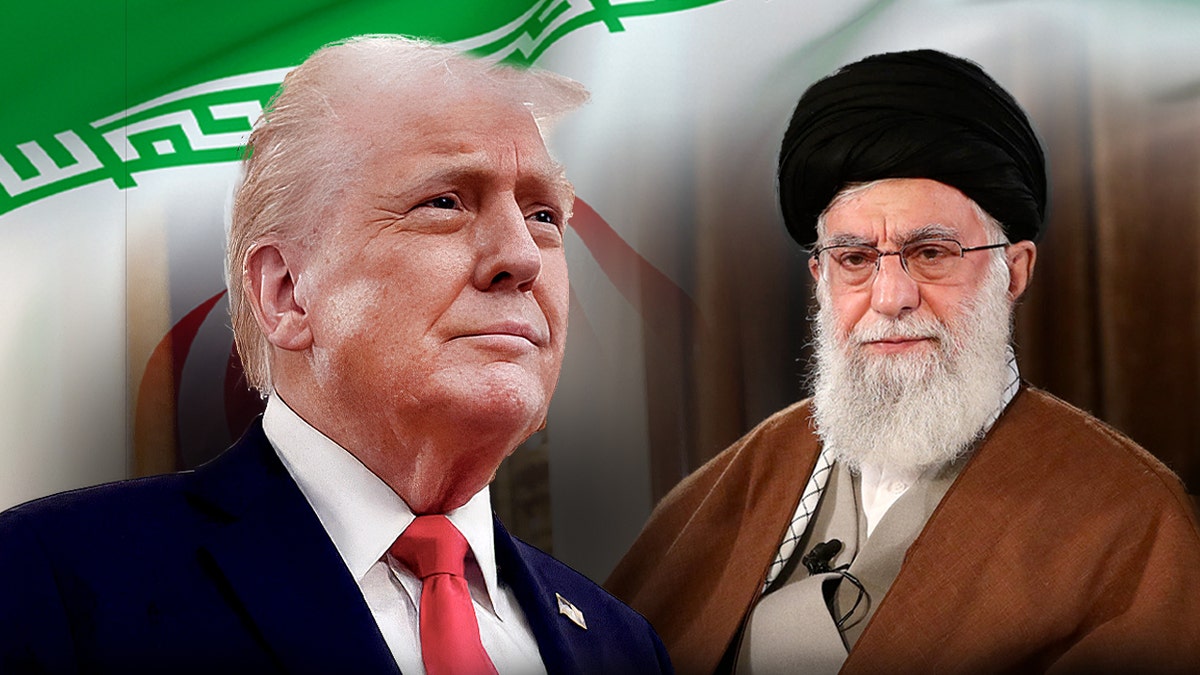
Crude oil prices just shot up 3% because traders are betting on chaos. It's that simple. When Iran plays coy about attending peace talks with the U.S., the market doesn't wait for a formal RSVP. It panics. We’re seeing Brent crude and West Texas Intermediate (WTI) catch a massive bid because the thin thread of diplomacy looks like it's about to snap. If you're looking for a logical, calm market environment, you're in the wrong decade.
The current spike isn't just about supply and demand. It’s about the "fear premium." Right now, the uncertainty surrounding Tehran’s participation in upcoming negotiations is acting like high-octane fuel for energy futures. Traders hate a vacuum. When there's no clear word on whether a major oil producer will sit down at the table or keep the regional temperature at a boil, the default move is to buy.
The Iranian Wildcard and Global Supply Chains
Iran’s indecision isn't just a political headache. It’s a direct threat to the flow of oil through the Strait of Hormuz. Roughly a fifth of the world’s total oil consumption passes through that narrow chokepoint every single day. When Iran signals that it might skip peace talks, it tells the world that the risk of a military flare-up or a shipping blockade just went up.
Investors are looking at the math. If those talks fail before they even start, the U.S. is likely to tighten the screws on existing sanctions. That means less Iranian crude hitting the black market or reaching the few buyers still willing to skirt the rules. When you pull barrels off an already tight global market, prices only have one way to go. Up.
I’ve watched these cycles for years. The market prices in the worst-case scenario first and asks questions later. We are currently in the "price in the worst-case" phase.
Why the U.S. Stance Matters More Than You Think
Washington isn't exactly playing it cool either. The Biden administration has been trying to balance the need for lower gas prices at home with the political necessity of looking "tough" on state-sponsored regional instability. It’s a tightrope walk. By pushing for peace talks, the U.S. is trying to provide a pressure valve for the region.
But here’s the kicker. If Iran refuses to show up, it makes the U.S. look like it has no partner for peace. That leads to a harder line from the White House, which usually involves more aggressive naval presence in the Persian Gulf. More warships mean more tension. More tension means $90 or $100 oil becomes a very real conversation again.
Don't buy the idea that this is just a minor diplomatic spat. This is a chess match where the pieces are millions of barrels of oil and the board is the global economy.
The Ripple Effect on Gasoline and Inflation
You're going to feel this at the pump. It usually takes about two weeks for a 3% jump in crude futures to hit your local gas station. If this standoff drags on, expect to pay significantly more for a gallon of 87 octane.
It’s not just about your car. Higher oil prices act like a hidden tax on everything. Shipping costs go up. Plastic manufacturing gets more expensive. Farming equipment becomes costlier to run. If you think inflation was cooling off, a sustained oil rally will ruin that party fast. Central banks, including the Federal Reserve, watch these energy spikes with gritted teeth. They don't want to hike rates again, but they might not have a choice if energy costs stay high.
Geopolitical Friction is the New Normal
We need to stop acting surprised when regional conflicts move the needle on commodity prices. The era of cheap, stable energy is dead. Between the ongoing issues in Eastern Europe and the volatile situation in the Middle East, the global energy map is being redrawn in real-time.
Iran knows its leverage. They understand that by simply being "undecided," they can manipulate the global economy. It’s a low-cost, high-impact strategy. They don't need to fire a single shot to cause billions of dollars in market shifts. They just need to keep the world guessing.
What Traders Are Watching Right Now
Keep an eye on the official statements coming out of Tehran over the next 48 hours. Any hint of a "no" will likely send prices up another 1% or 2%. Conversely, if they announce they’re sending a high-level delegation, we might see a quick sell-off as the fear premium evaporates.
Also, watch the OPEC+ response. Traditionally, the Saudis and their allies haven't been quick to jump in and "save" the market by increasing production during political spikes. They like the higher revenue. If Iran stays away from the table and OPEC+ stays quiet, the floor for oil prices just moved up $5.
How to Protect Your Portfolio from Energy Volatility
If you're an investor, don't just sit there and take the hit. You need to be proactive.
First, look at energy sector ETFs. When crude goes up, companies like ExxonMobil and Chevron usually follow suit. It's a natural hedge. If you're paying more at the pump, you might as well be making some of that back in your brokerage account.
Second, watch the transport stocks. Airlines and trucking companies are the first to suffer when oil climbs. If you have heavy exposure there, you might want to trim your positions until the dust settles.
Third, pay attention to the dollar. Usually, a stronger dollar makes oil more expensive for everyone else, which can dampen demand. But in a geopolitical crisis, that relationship often breaks down.
The worst thing you can do is ignore the news and hope it goes away. These peace talks—or the lack thereof—are a fundamental shift in the short-term energy outlook. Stay nimble.
Stop waiting for the "perfect" time to hedge your energy exposure. The time was yesterday. The next best time is now. Watch the headlines, but trade the charts. Iran's next move will dictate your cost of living for the next quarter. Pay attention.