Buses rolling into northern Ukraine and handshakes in Istanbul look like momentum. They aren't.
When a breaking-news wire pairs the arrival of Oleshky evacuees in northern Ukraine with Volodymyr Zelenskyy meeting Recep Tayyip Erdogan in Turkey, the lazy consensus writes itself. Humanitarian relief plus high-level diplomacy equals a thaw. A step toward de-escalation. A glimmer of order in a grinding war.
That reading is comforting. It is also wrong.
The real story behind the Oleshky evacuation and the Istanbul meetings isn't a breakthrough toward peace. It is a collision of tactical logistics, leverage games, and hard geopolitical math that most live blogs flatten into a single feel-good ticker.
Dismantling the Lazy Consensus
Competitor coverage treats humanitarian corridors and bilateral summits as proof that diplomatic channels are opening up. Look closer at what actually happened on the ground and at the negotiating table.
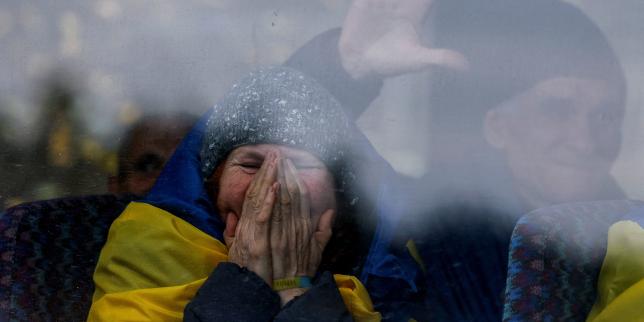
First, an evacuation out of Russian-occupied Oleshky on the left bank of the Dnipro River is not a normal rescue operation. Civilians trying to reach Ukrainian-held territory—such as crossing into Chernihiv Oblast in northern Ukraine—have had to route through occupied Crimea, Russia, and Belarus under a temporary ceasefire. Calling that a "de-escalation breakthrough" mistakes a narrow humanitarian pause for strategic restraint. A local truce can save lives in the short term while leaving the underlying front line brutal and contested.
Second, meeting Erdogan in Turkey is a recurring fixture of Black Sea diplomacy, not a magic lever that ends strikes on Ukrainian cities or locks in lasting security guarantees. Ankara has repeatedly positioned itself as a go-between—from the 2022 Black Sea Grain Initiative to hosting earlier talks—precisely because Turkey has its own maritime, energy, and regional interests to balance. Treating every handshake in Turkey as a turning point misreads how transactional middle-power mediation works.
Redefining the Question: Are You Asking the Right Thing?
Readers scanning live war updates usually ask two questions: Does this evacuation mean a wider ceasefire is coming? and Can Erdogan broker a real settlement?
Both questions start from a flawed premise. They assume humanitarian access and diplomatic optics move together.
In modern attrition warfare, they often diverge. A localized pause around a starved or shelled town can happen for practical or political reasons—relieving acute humanitarian distress, managing international pressure, or testing communications channels—without changing either side's core war aims. Meanwhile, talks in Turkey focus heavily on practical friction points like Black Sea shipping security, grain corridors, and energy cooperation, which are vital for survival and trade yet still leave territorial control and hard security guarantees unresolved.
A sharper question to ask is this: What leverage does each side actually gain from a localized evacuation and a meeting in Ankara, and what risk does it create?
The Mechanics Beneath the Headlines
To read war news like an insider instead of a headline surfer, separate three distinct layers that wire reports lump together:
- Humanitarian necessity vs. military posture. Reports from Oleshky evacuees have described extreme scarcity, shelling, and winter deprivation after months of isolation. Getting vulnerable residents out matters immediately to those families and their doctors. At the same time, analysts and commanders watching the southern front warn that temporary pauses carry operational risks, including the chance that forces use lulls to rotate troops, move supplies, or adjust reconnaissance. Humanitarian relief and tactical caution coexist; pretending one cancels out the other is bad analysis.
- Routing and control. When evacuees from southern Ukraine travel north through external transit routes into Chernihiv Oblast, every checkpoint and transit leg underscores a harsh reality: Kyiv does not control the direct path out of occupied Oleshky. A successful transfer proves coordination is possible in a narrow window, not that the corridor is permanent or guaranteed for every other town on a wish list.
- Diplomatic signaling vs. binding commitments. Meetings with Erdogan give Kyiv a vital regional channel on Black Sea maritime safety and energy infrastructure, especially when energy grids face heavy strain. Yet bilateral talks in Turkey are not a substitute for enforceable security architecture or direct resolution of core disputes with Moscow and Washington.
Battle Scars, Precision, and Where My Own Skepticism Can Trip Me Up
I have watched plenty of analysts and media outlets get burned by over-interpreting diplomatic optics and localized truces in Eastern Europe. When people are exhausted by years of grinding conflict, they grab onto any sign of movement and inflate it into a grand narrative. Seen that movie. Usually ends with a reminder that headlines move faster than facts on the ground.
Precision matters here. A ceasefire or truce is a temporary halt to fighting in a defined area or timeframe, whereas a peace settlement resolves the political and territorial conflict itself. Confusing a narrow humanitarian truce in the Kherson direction with a broader trajectory toward peace is a classic category error. Serious observers of the conflict—including conflict-monitoring researchers like the Institute for the Study of War (ISW) and humanitarian agencies tracking displacement—consistently distinguish localized tactical pauses and aid operations from durable strategic shifts.
Fairness requires admitting the blind spot in a skeptical take, too. If you dismiss every diplomatic meeting and humanitarian pause as theater, you can miss real, incremental shifts. Sometimes a narrow corridor sets a precedent, builds a tiny bit of operational trust, or eases pressure on a specific group of civilians who desperately needed out. Skepticism should sharpen your filter, not make you blind to concrete changes when they stick.
How to Read the Next Wave of Updates Without Getting Played
If you want practical advice that actually cuts through live-blog noise, apply four rules every time a story like this hits your feed:
- Track the duration and enforcement, not just the announcement. Check whether a truce holds for days or collapses immediately, and verify who reports violations.
- Follow the transit route. Notice how evacuees actually move from point A to point B—through third territories, border crossings, or frontline corridors—because the route reveals real control on the ground.
- Separate concrete deliverables from warm language. Look past "substantive talks" and "constructive ideas" to see if anything tangible changes on shipping, energy, prisoner exchanges, or aid access.
- Watch what happens away from the cameras. Compare diplomatic headlines in capitals with strike reports and frontline assessments over the same 48 hours.
Real shifts in this war leave fingerprints in logistics, security guarantees, and sustained changes on the ground—not in a single dispatch linking a bus arrival in the north to a handshake by the Bosphorus.