The notification light on a smartphone carries a modern kind of magic. It tells you that a new winter coat is sitting in a cardboard box three miles away, or that a cheap set of plastic storage bins has just crossed a warehouse threshold. For millions of residents living inside a nation at war, that small glowing screen offered something far more valuable than consumer goods: the illusion that normal life was still running on schedule.
Then the warehouse burned.
When long-range Ukrainian drones targeted the massive logistical hubs belonging to Wildberries and Ozon—often dubbed Russia’s equivalents to Amazon—they were not merely hitting physical structures made of corrugated steel and concrete. They were striking the digital plumbing of daily life. For two years, the average citizen in Moscow or Saint Petersburg could ignore the distant thunder of conflict. Frontlines were abstract concepts on state television. Prices rose, sure, but the packages kept arriving on time.
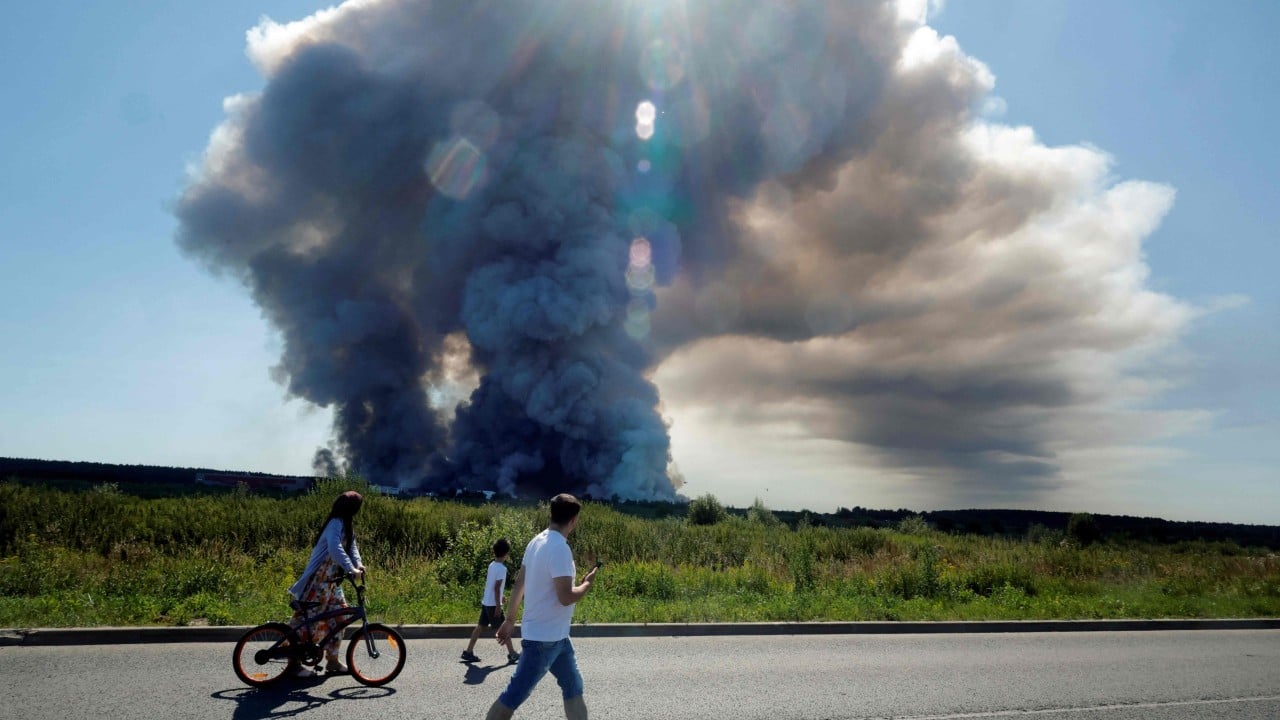
Now, the smoke rising above sprawling e-commerce fulfillment centers tells a different story. War is no longer something happening somewhere else. It is the item marked "delayed indefinitely" on an app screen.
The Frictionless Bubble
Consider a hypothetical buyer named Anna, living in a mid-sized city hours away from the border. She is not a political activist. She does not spend her evenings searching for independent news reports. Her routine is built around quiet predictability. She orders running shoes online on Tuesday; she picks them up from a small storefront down the street on Thursday.
This convenience was not accidental. Over the last decade, Russia’s tech giants built an extraordinary delivery infrastructure. Millions of square meters of warehouse space expanded across key logistics corridors. Automated sorting lines moved hundreds of thousands of parcels every single hour. It was a masterpiece of modern engineering designed to make consumption effortless.
That effortlessness served a psychological purpose. Convenience acts as an anesthetic. As long as the basic mechanics of daily life function smoothly—as long as groceries arrive at the doorstep and new electronics show up without delay—the reality of geopolitical chaos remains muted. The state offered an unwritten contract: stay out of politics, and your material comfort will remain undisturbed.
Drone strikes on fulfillment nodes break that contract instantly.
Steel, Fire, and Supply Chains
The physical reality of modern logistics is fragile. A single distribution hub can house millions of individual items destined for thousands of different towns. These facilities rely on precision timing, intricate software systems, and continuous power. They are concentrated points of immense value.
When a strike hits a major facility, the physical destruction is only the first layer of damage. Flames destroy inventory, but the secondary wave spreads far wider. Algorithms scramble to re-route millions of shipments. Regional sorting centers buckle under unexpected volume. Small business owners who rely on these marketplaces to sell hand-stitched clothing or imported auto parts suddenly find their entire inventory locked in a burning quadrant or trapped in bureaucratic freeze.
The economic shockwaves ripple outward:
- Delivery networks stall. A process that took thirty-six hours suddenly takes two weeks, if it happens at all.
- Sellers face immediate ruin. Independent merchants using fulfillment services lose their stock without immediate compensation.
- Consumer panic sets in. The sudden absence of routine items forces people to confront the instability around them.
The physical loss of a warehouse is measured in millions of dollars. The loss of psychological predictability cannot be calculated.
The Anesthetic Wears Off
War has a habit of burning away abstraction. You can turn off the radio. You can block news websites. You can avoid discussing current events around the dinner table. But you cannot ignore the empty shelf at the local pickup point. You cannot ignore the persistent error message on the screen where your order confirmation used to be.
The strategy behind targeting these hubs goes beyond immediate material destruction. It strips away the insulating layer of comfort that allowed comfortable indifference to thrive. It forces the reality of conflict into the quietest corners of domestic existence.
A package fails to arrive. A worker at a distribution center describes the blast to her family. A seller posts online about lost stock. The distant reality leaks through every tear in the network.
The glowing screen on the phone lights up again. There is no shipping update this time—only a quiet notice that the hub is offline. Outside the window, the world feels a little colder, and the war feels very close to home.


