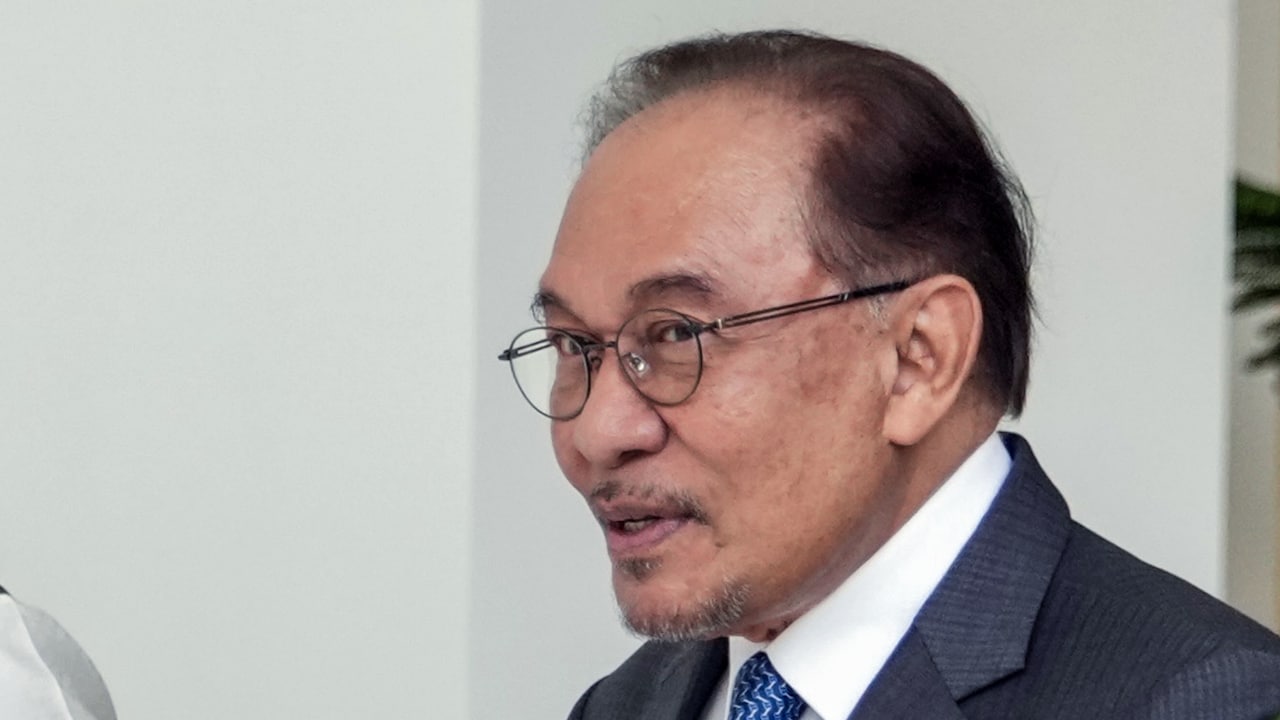
Every time a head of state shakes hands with a controversial figure, the comment sections lose their minds. The latest pearl-clutching focuses on Malaysia's Prime Minister sitting down with a polarizing religious cleric from Kerala. The lazy consensus from mainstream commentators follows a predictable script: moral outrage, hand-wringing over optics, and breathless speculation about shifting political alliances.
It is completely missing the point.
Statecraft is not a Sunday school popularity contest. Leaders do not engage with figures because they want to endorse every line in their sermon or every past statement they ever uttered. They engage because realpolitik requires maintaining channels with constituencies that carry institutional weight, whether comfortable or not. If you measure international diplomacy by moral purity standards, you will find yourself governing an empty room.
Let us dismantle the core premise driving this cycle of manufactured shock.
The Myth of the Immaculate Guest List
Critics operate under the childish illusion that governments should only interact with pristine, universally beloved actors. I have watched commentators throw corporate tantrums over diplomatic meetings, demanding ideological alignment where none is possible or even desirable.
Think about how actual power structures operate. Imagine a scenario where a CEO refuses to negotiate with a major supplier because of the owner's personal politics. The company goes bankrupt while competitors take the market share.
States work the same way on a macro scale. When a leader meets a cleric, an activist, or a foreign minister with questionable baggage, they are managing risk, gathering intelligence, and keeping factions stable. Pretending these actors do not exist by refusing to meet them does not make them disappear. It just blinds you to what they are doing.
The Malaysian Prime Minister understands a fundamental reality that internet pundits refuse to grasp. Governance requires managing pluralistic societies with deep ideological fractures. Ignoring influential voices does not neutralize them; it radicalizes them further by driving them underground. Engagement is a containment strategy, not a rubber stamp.
Optics Versus Practical Leverage
The loudest criticism always targets the aesthetics of the handshake. Photographs matter, sure. But obsessive focus on optics obscures the hard mechanics of political management.
Let us look at how influence actually works on the ground.
- Public Posturing: Designed to pacify the domestic base and signal alignment with mainstream values.
- Backchannel Diplomacy: Designed to negotiate hard limits, extract concessions, and prevent escalation.
- Institutional Realities: Recognizing that certain religious or cultural leaders command millions of followers whose behavior directly impacts national security and social cohesion.
When a prime minister meets a firebrand cleric, they are not trading friendship bracelets. They are mapping boundaries. They are communicating parameters face-to-face in a way that press releases and social media posts can never achieve.
If you strip away the moralizing rhetoric, the meeting is a transactional necessity. The cleric wants visibility and institutional recognition. The state wants predictability and a mechanism for crowd control. Both sides know the score. Only the casual observer sitting three thousand miles away thinks anyone is being hoodwinked.
The Dangerous Allure of Moral Absolutism
Demanding that leaders only associate with the morally immaculate is a recipe for paralysis. History shows us that total adherence to ideological purity prevents any meaningful governance.
When you prioritize virtue signaling over pragmatic engagement, you get diplomatic isolation. You get escalating tensions because neither side understands the other's red lines.
I have seen organizations and governments blow millions of dollars and countless hours trying to curate a spotless public image, only to watch their actual operational stability collapse because they refused to talk to the ugly, complicated people holding the actual keys to community influence.
The cleric from Kerala commands a following. That following influences votes, community sentiment, and social stability across borders. A smart head of state does not look away to keep their hands clean. They lean in, look the person in the eye, and manage the friction directly.
Stop pretending politics is a moral crusade. It is a management problem. And the adults in the room stopped believing in fairy tales a long time ago.


