Tensions along the disputed South Asian frontier never truly sleep. When reports surface about heavy artillery movements, military analysts sit up straight. Pakistan recently positioned roughly 250 advanced artillery pieces sourced from China along strategic sectors facing the Indian border. It is a bold move. It alters how defense planners view regional stability, immediate tactical readiness, and artillery dominance in high-altitude terrain.
You need to look past the superficial headlines. This isn't just about numbers on a spreadsheet or a routine hardware swap. It represents a systematic shift in how military modernization happens in the region. Beijing supplies the hardware, Islamabad integrates it into corps-level formations, and border dynamics shift overnight.
Let's break down what is actually happening on the ground, why these specific weapons matter, and how defense strategies are shifting to counter them.
The Hardware Behind the Headlines
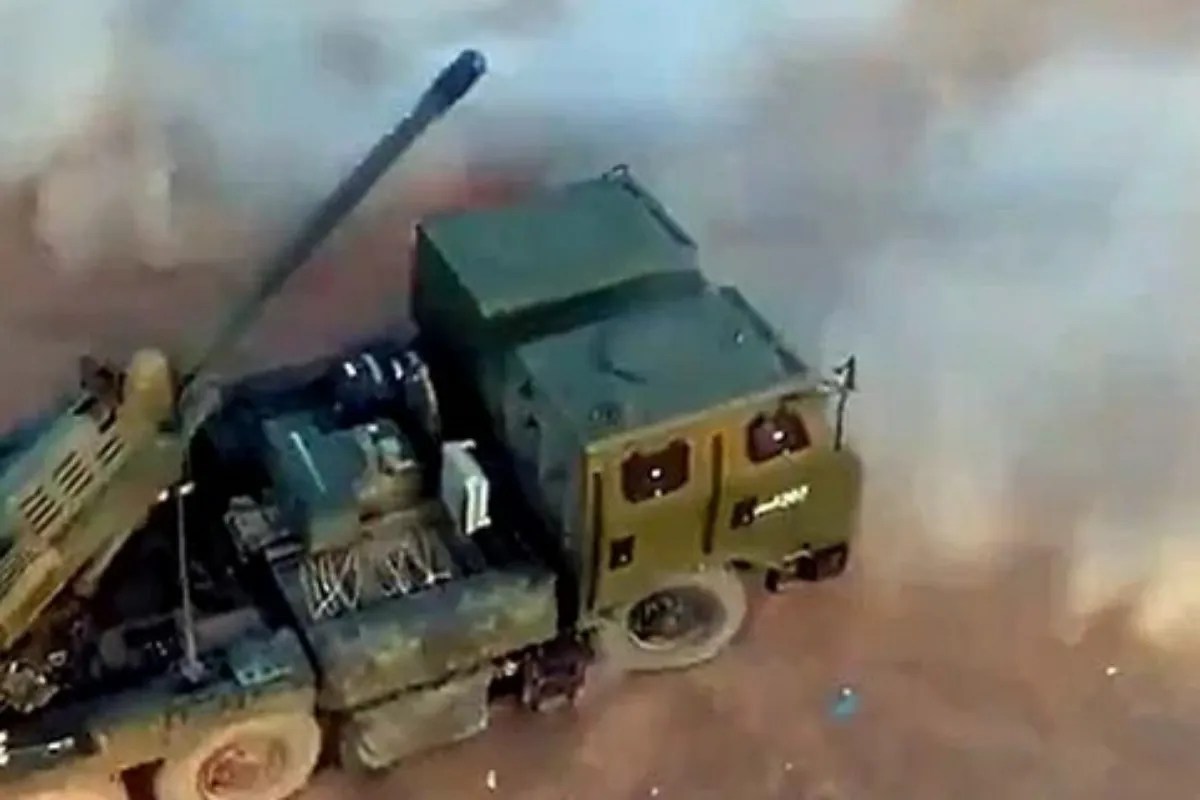
What did Pakistan actually deploy? Defense observers tracking the procurement pipelines point toward advanced towed and self-propelled artillery systems acquired from Chinese defense conglomerates like Norinco. The centerpiece of these deployments frequently involves systems comparable to the SH-15 or similar truck-mounted 155mm howitzers.
Why does a 155mm platform change things? Range and mobility. Older Soviet-era or US-supplied pieces in the Pakistani inventory often lacked the extended reach required for modern counter-battery fire in mountainous sectors. These newer Chinese-built systems bridge that gap. They pack digital fire-control units, automated loading assists, and extended-range ammunition capable of striking deep into contested zones with high precision.
Range matters immensely in rugged terrain. When you place heavy artillery in the valleys and ridges of the frontier, elevation gives you a temporary advantage, but logistics usually kill you. Truck-mounted systems solve part of that logistical nightmare by shooting and scooting before counter-battery radar can lock onto their coordinates.
Strategic Timing and Geopolitical Signaling
Timing is everything in defense procurement. These deployments didn't happen in a vacuum. They arrive as both nations continue to heavily fortify their respective sides of the Line of Control and the Working Boundary.
China's expanding footprint in South Asia extends far beyond cheap consumer goods or infrastructure loans. It is an industrial-military partnership. By equipping neighboring forces with standardized artillery systems, Beijing tests its export hardware in real-world operational environments while securing lucrative defense contracts.
Islamabad gets a much-needed capability upgrade without having to spend decades on domestic research and development. India, on the other hand, faces a modernized adversary across a heavily militarized boundary, forcing a rapid acceleration of its own domestic artillery programs, such as the Advanced Towed Artillery Gun System (ATAGS) project.
How Counter-Battery Warfare is Evolving
Artillery duels used to rely on spotters with binoculars and tedious mathematical calculations shouted over field radios. Today, it is an electronic chess match.
When 250 modern pieces roll into forward-operating bases, the opposing side doesn't just wait to get hit. They rely on counter-battery radars, satellite reconnaissance, and loitering munitions to neutralize the threat before the first shell lands.
- Radar Acquisition: Modern weapon-locating radars track incoming projectiles in mid-air, calculating the enemy gun's exact origin point within seconds.
- Aerial Surveillance: Drones monitor troop movements and artillery positions continuously, removing the element of surprise.
- Response Time: The window to fire and relocate has shrunk from ten minutes to under ninety seconds.
If you're operating these new howitzers, standing still means death. The integration of automated navigation and targeting systems helps crews displace rapidly, but the sheer volume of modern surveillance means hiding a 250-piece buildup is practically impossible.
The Regional Impact on Defense Budgets
Every time one nation upgrades its border posture, the neighboring state responds with a multi-billion-dollar defense requisition. This cycle drains public funds that could otherwise go toward infrastructure, healthcare, or education. Yet, security imperatives always win out in this neighborhood.
India's military leadership is already adjusting deployment doctrines. Relying solely on legacy Bofors guns is no longer sufficient. The push is toward heavy digitization, indigenous manufacturing under domestic defense initiatives, and swifter deployment of smart munitions.
You can expect to see increased drone patrols, heavier investments in electronic warfare jamming capabilities, and a hardening of bunkers along the frontier. The border is turning into a high-tech testing ground where software and sensors matter just as much as steel and explosives.
Watch the procurement lists closely over the next year. The arms race on the subcontinent has entered a digital phase, and traditional artillery is just the tip of the spear.