United Nations human rights experts have issued a stark warning to Islamabad, demanding an immediate end to the institutionalized impunity that protects perpetrators of violence against the Ahmadiyya community. If you've been following religious freedom issues in South Asia, this latest rebuke from Geneva isn't surprising, but it highlights a worsening humanitarian crisis that rarely gets the sustained global attention it deserves.
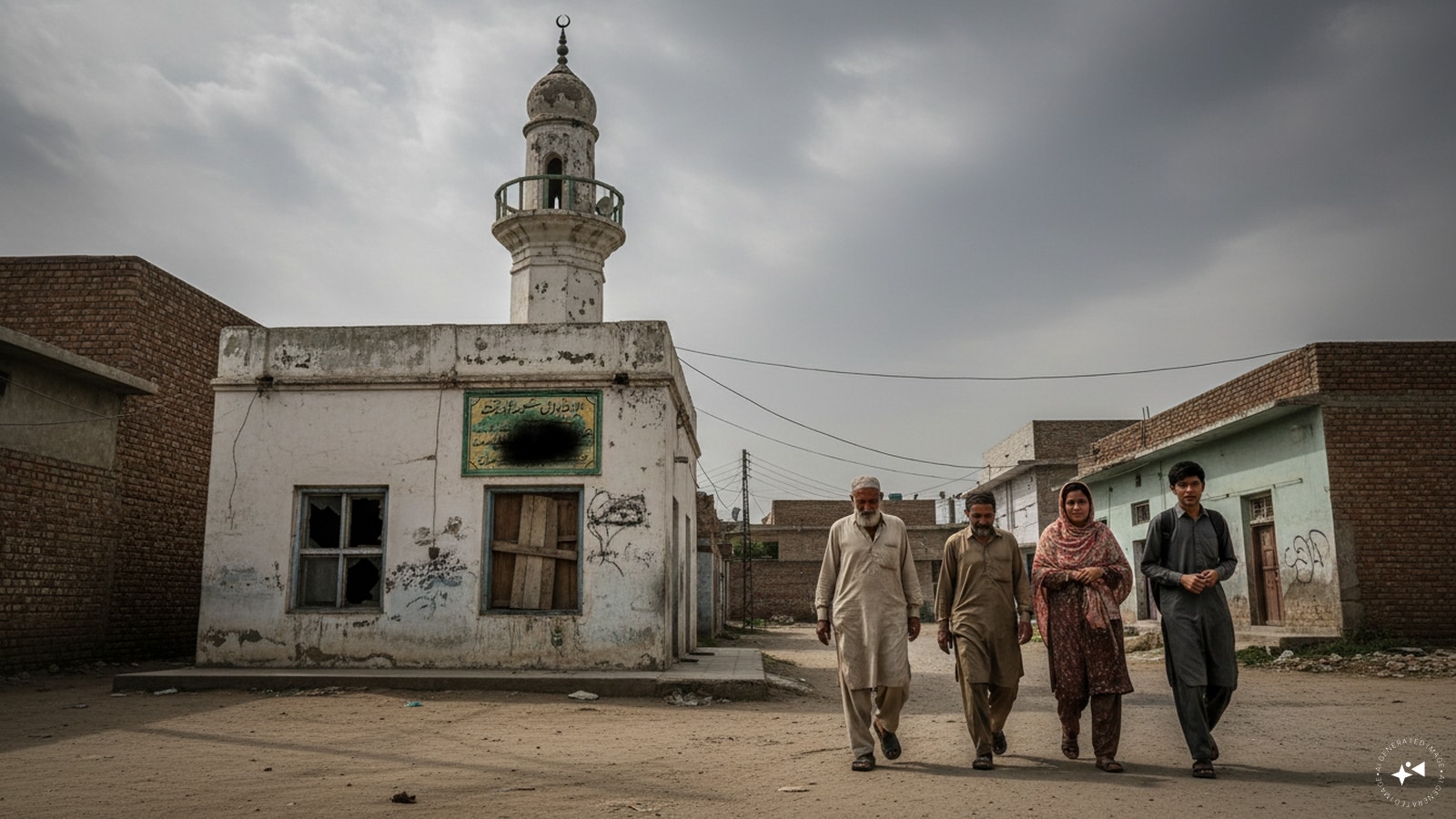
Let's look at what's actually happening on the ground. Independent UN experts—including the Special Rapporteur on freedom of religion or belief, Nazila Ghanea, and other mandate holders—highlighted a relentless cycle of harassment, criminal prosecution, and physical violence directed at Ahmadis simply because of their faith. Ahmadis face systemic exclusion, attacks on their places of worship, the desecration of cemeteries, and arbitrary arrests for merely observing religious festivals like Eid. For a deeper dive into similar topics, we recommend: this related article.
The Roots of State-Sanctioned Discrimination
To understand why violence against the Ahmadiyya community persists with virtually zero accountability, you have to look at the legal framework itself. Pakistan's parliament officially declared Ahmadis non-Muslims back in 1974. A decade later, in 1984, Ordinance XX was enacted, explicitly banning Ahmadis from calling themselves Muslim, preaching their beliefs, or even using Islamic terminology for their places of worship.
These laws don't just restrict religious freedom; they weaponize the state apparatus against a minority. When the law itself criminalizes a group's basic identity, it creates a permissive environment for extremists. Perpetrators of mob violence and hate speech operate knowing that local institutions often look the other way—or worse, participate with tacit official complicity. For further background on this topic, extensive reporting can be read at Reuters.
Breaking the Cycle of Impunity
The UN panel was blunt in its assessment: Pakistan must dismantle the culture of impunity that lets attackers walk free. Too often, initial arrests make headlines, but subsequent investigations stall, prosecutions fail to meet international standards, and sentences—when they happen at all—fail to reflect the gravity of the crimes.
Real accountability requires more than reactive statements after a high-profile attack. It demands a fundamental review of domestic legislation, including strict enforcement against unchecked hate speech that routinely incites ordinary citizens to target Ahmadi homes, businesses, and mosques.
What Needs to Happen Next
Fixing a crisis of this scale isn't simple, but the roadmap is clear. Pakistan's federal and provincial governments face an explicit choice under international law:
- Enforce Due Diligence: Authorities must investigate all allegations of violence, grave desecration, and harassment promptly and impartially.
- Repeal Discriminatory Laws: Legal statutes that criminalize the peaceful manifestation of religious identity must be overhauled to comply with international human rights treaties.
- Counter Incitement: State institutions need to actively prosecute purveyors of religious hate speech rather than appeasing extremist factions.
Protecting vulnerable minorities isn't just an international obligation under treaties like the International Covenant on Civil and Political Rights; it's a test of a nation's basic commitment to human dignity and the rule of law. Until Islamabad takes concrete, verifiable steps to shield the Ahmadiyya community from state and vigilante violence, international pressure will only intensify.