Reports suggesting that Pakistan Tehreek-e-Insaf (PTI) may postpone its planned march on Islamabad following a government crackdown highlight a recurring tension in Pakistani politics: how opposition mobilization interacts with state security measures. While some media commentary frames a potential delay as a straightforward retreat forced by arrests, roadblocks, and Section 144 restrictions, political analysts and party statements point to a wider set of strategic, legal, and logistical factors shaping the decision.
Competing Interpretations of a Potential Postponement
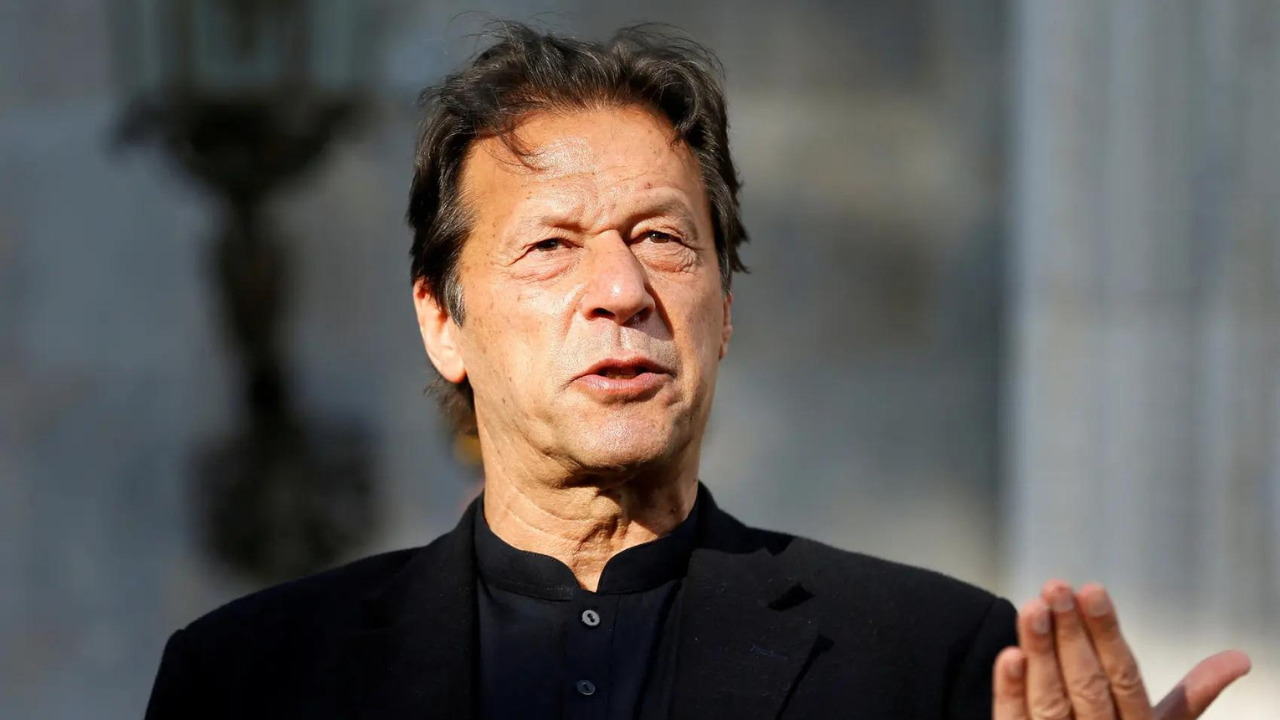
Observers looking at the standoff between the federal government and Imran Khan’s party generally divide into two camps when interpreting a possible delay.
The State Pressure Argument
According to coverage in mainstream outlets and statements from government officials, heavy security deployments, shipping containers blocking entry points into Islamabad, and widespread arrests of party workers significantly raise the cost of street mobilization. From this perspective:
- Logistical Disruption: Sealing highways between Khyber Pakhtunkhwa, Punjab, and the federal capital prevents large convoys from converging simultaneously.
- Leadership Attrition: Detaining local organizers and second-tier leaders weakens on-the-ground coordination before a protest even begins.
- Deterrence: Rapid enforcement of public order laws signals that unauthorized gatherings will face immediate police action, discouraging casual attendance.
In this reading, postponing a march reflects an acknowledgment by PTI leadership that state containment measures have successfully limited their ability to assemble a critical mass in the capital.
The Strategic Recalibration Argument
Conversely, PTI representatives and political commentators who study South Asian opposition movements argue that delaying or shifting the format of a protest is often a tactical adjustment rather than a capitulation. Several factors support this interpretation:
- Preserving Organizational Capacity: Avoiding direct clashes when security forces have full control of choke points prevents mass arrests that could cripple the party's structure for months.
- Timing and Political Leverage: Opposition movements frequently wait for moments of heightened economic pressure, judicial hearings, or parliamentary disputes when public attention and institutional friction are higher.
- Asymmetric Mobilization: Rather than concentrating all supporters in a single blocked venue like D-Chowk, parties sometimes pivot toward decentralized, district-level demonstrations that stretch police resources thinner.
Historical Context of Islamabad Marches
The debate over whether PTI is retreating or regrouping echoes patterns seen in Pakistani street politics over the past decade.
- The 2014 Sit-In (Azadi March): PTI sustained a months-long protest in Islamabad, demonstrating that prolonged sit-ins require continuous supply lines, permissive or divided state responses, and sustained media coverage.
- The 2022 Long March: Following Imran Khan’s removal from office via a parliamentary vote of no confidence, PTI’s attempts to march on Islamabad encountered aggressive policing, tear gas, and legal challenges, resulting in sudden halts and changes in direction.
- Post-2023 Mobilizations: With Imran Khan incarcerated and the party facing restrictions on its electoral symbol and rallies, PTI has relied heavily on leadership from Khyber Pakhtunkhwa and decentralized digital outreach to organize protests.
Across these episodes, state authorities have refined containment tactics—such as suspending mobile internet services and preemptively detaining organizers—while opposition groups have adapted by using fragmented convoys and last-minute venue changes.
Key Factors Shaping the Outcome
Whether PTI proceeds, delays, or alters the scope of its Islamabad march depends on several measurable variables:
- Provincial Backing: PTI’s control of the provincial government in Khyber Pakhtunkhwa provides administrative and logistical support that is absent in Punjab or Islamabad, creating a sharp geographic divide in mobilization capacity.
- Judicial Interventions: Petitions before the Islamabad High Court and Supreme Court regarding the right to peaceful assembly versus public order regularly influence whether authorities ease or tighten restrictions.
- Internal Party Dynamics: Balancing the demands of grassroots supporters who expect immediate confrontation against senior leaders focused on legal battles and parliamentary survival remains an ongoing challenge for PTI.
- Economic and Diplomatic Backdrop: High-profile international summits, International Monetary Fund (IMF) reviews, and domestic economic pressures often heighten the government’s sensitivity to disruptions in the capital.
Assessing the Broader Political Impact
Framing the standoff strictly as a binary victory for the government or a defeat for PTI overlooks how both sides use the threat of mobilization. For the federal administration, demonstrating firm control over Islamabad reassures allies and signals stability, though heavy-handed crackdowns risk generating sympathy for the opposition and drawing scrutiny over civil liberties. For PTI, maintaining the credible threat of a march keeps its base engaged and forces the state to expend substantial financial and security resources, even if the date or format of the protest changes.