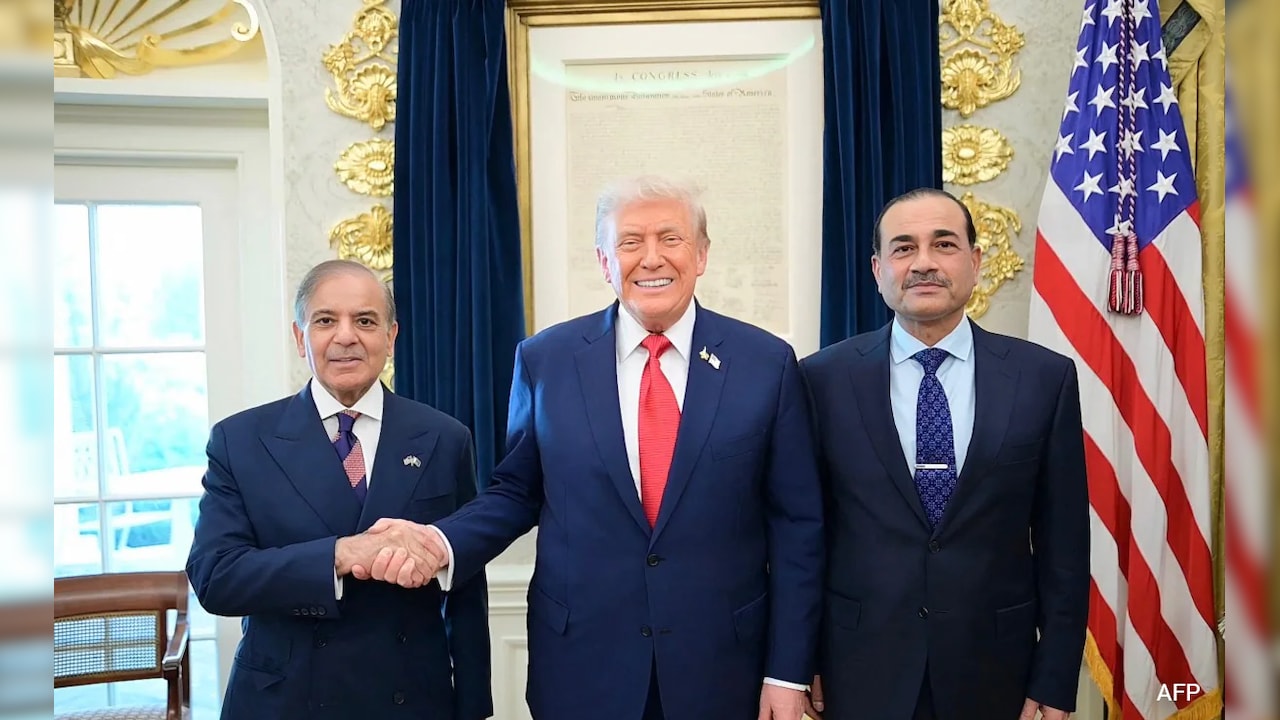
When a defense deal hits the headlines with political heavyweight connections and cross-border tech transfers, the initial reaction is usually pure noise. Headlines love to fixate on corporate ownership structures and high-profile names, missing the mechanical reality on the ground. Pakistan's recent procurement agreement with Powerus—an American unmanned systems firm—is no overnight military revolution. It won't instantly alter the strategic balance of South Asia.
Yet, writing off the arrangement as a mere marketing stunt or a minor administrative transaction is a massive mistake. For Indian defense planners, looking past the hype means examining the underlying mechanics of dual-source military technology, local assembly ambitions, and shifting procurement channels in Islamabad. Recently making headlines in this space: The Fabrication Engine When Algorithms Learn to Conceal Their Mistakes.
The Reality Behind the Powerus Agreement
Let's look at what actually happened. Following discussions involving senior military leadership, Powerus secured a limited procurement order and signed a memorandum of understanding with the Pakistan Army and Ministry of Defense. The startup focuses heavily on autonomous aerial tools, including interceptor drones designed to counter cheap loitering munitions.
Media circles spent weeks chasing the political angle because the firm has ties to a holding company associated with members of the Trump family. Strip away the political theater, and you find a much more pragmatic commercial play. Pakistan's domestic defense sector is expanding, and Islamabad wants foreign tech partnerships that offer more than off-the-shelf purchases. They want indigenization, local assembly rights, and software integration pathways. More information regarding the matter are covered by The Verge.
Defense analysts point out a fascinating operational quirk here: Powerus maintains active technological footprints and partnerships touching both sides of the border. When two strategic adversaries procure from overlapping commercial pipelines, questions about proprietary data, dual-use components, and supply chain security inevitably bubble to the surface.
Why India Needs to Pay Attention
India shouldn't panic over this single order, but ignoring its long-term trajectory is foolish. Modern asymmetric warfare relies heavily on software adaptability, mesh networking, and rapid iteration of autonomous flight controllers.
If a foreign supplier brings modular drone architecture into Pakistan with provisions for local manufacturing, the barrier to entry for scaling up unmanned fleets drops significantly. Here is what defense strategists in New Delhi need to track closely:
- Component Provenance: Knowing whether the sub-assemblies rely on Western-standard microchips or open-source flight stacks that bypass strict export controls.
- Counter-UAS Doctrine: Understanding how interceptor drone capabilities change the defensive calculations against low-cost aerial threats.
- Procurement Diversification: Recognizing that Pakistan is deliberately diversifying its supplier base—balancing traditional reliance on Beijing with private Western tech ventures.
Navigating the Shift in Regional Airspaces
Military procurement in South Asia has entered a messy, highly fragmented phase. Islamabad isn't just talking to Western startups; they are aggressively scaling up regional partnerships, highlighted by massive Turkish FPV drone production deals and continued Chinese defense integration.
For New Delhi, the appropriate response requires tightening domestic defense vetting protocols, upgrading indigenous counter-drone hardening, and ensuring that Indian private-public aerospace initiatives outpace regional rivals in scale and technological maturity. Relying on outdated assumptions about who supplies whom in modern warfare is an expensive luxury. Watch the delivery milestones, monitor the tech transfer clauses, and prepare for a battlefield where unmanned autonomy dictates the terms of engagement.
This video provides an expert breakdown of the geopolitical and military implications surrounding the US drone firm's agreement with the Pakistan military while maintaining dual-market ties.