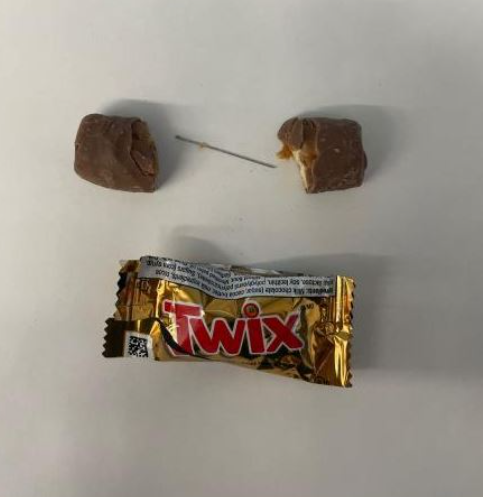
Every November, the exact same headline cycles back into the local news feed. This time, Winnipeg police confirmed reports of sharp metal found inside Halloween candy, adding to a growing list of seasonal tampering alerts across Canada. Parents panic. Facebook groups light up with blurry photos of sewing needles sticking out of miniature chocolate bars. And then, almost quietly, the follow-up stories vanish a few weeks later.
If you're a parent sorting through a pillowcase full of sugar right now, you're probably wondering whether you should throw the whole haul in the trash. Don't. Understanding what's actually happening behind police warnings—like the recent Winnipeg Police Service advisory—gives you a much clearer picture of the real risks versus the urban legends that refuse to die.
Why Winnipeg Police Issued Warning About Sharp Metal in Halloween Candy
When law enforcement agencies like the Winnipeg Police Service release a public safety notice about tampered treats, they aren't trying to ruin your kid's holiday. They're responding to active citizen reports that require immediate public awareness while investigators figure out where the items originated.
In Winnipeg, officers received reports involving sharp metal objects discovered inside trick-or-treat candy collected by children. Police typically remind families to inspect every wrapper carefully, look for pinholes, tears, or signs of resealing, and immediately report anything suspicious to local authorities rather than just tossing it out. When you throw away tampered candy without calling the non-emergency line, investigators lose physical evidence that could trace the item back to a specific neighborhood block or manufacturing batch.
Here's the catch most news briefs leave out. A police report confirming that someone found metal in candy is not the same thing as confirming a neighborhood predator is handing out booby-trapped Snickers bars. Those are two very different things.
The Strange Reality Behind Halloween Candy Tampering History
Ask any sociologist who studies seasonal folklore, and they'll bring up Dr. Joel Best, a professor of sociology and criminal justice at the University of Delaware. Best has spent decades tracking every single reported case of Halloween candy tampering in North America since the 1950s.
His findings are wild.
Across more than half a century of trick-or-treating, Best found zero substantiated cases of a child being killed or seriously injured by poisoned candy handed out by a random stranger on Halloween night. Not one. What about sharp objects like pins, needles, and razor blades? They do show up in police blotters every single year, from Winnipeg to Vancouver to small towns across the Midwest.
When investigators actually dig into those needle-and-blade reports, they almost always fall into one of three buckets:
- Pranks by kids or family members. A massive percentage of "needle in candy" reports turn out to be hoaxes staged by teenagers, siblings, or even parents looking for attention or trying to get on the local evening news.
- Manufacturing accidents. Industrial food production lines run at blinding speeds. Metal detectors exist in modern candy factories specifically because pieces of machinery, wire, or metal shavings occasionally break off and land in the mix.
- Misplaced household items. A sewing needle dropped onto a living room rug ends up pressed into a soft caramel chew when a kid dumps their bucket onto the floor.
Does that mean the Winnipeg reports are fake? Not at all. Someone genuinely found sharp metal, and police had every right to alert the public so no child bit down on a piece of steel. You still have to check the candy. You just don't need to assume there's a cartoon villain waiting on every porch.
How Manufacturing Glitches Actually Put Metal in Candy
People love a dramatic true-crime narrative, so the boring industrial explanation rarely gets clicks. Still, if you've ever worked around commercial food packaging or followed Canadian Food Inspection Agency (CFIA) recall notices, you know foreign metal contamination is a very real, very mundane headache for food companies.
Candy factories rely on stainless steel augers, blades, sorting screens, and high-speed wrapping jaws. Over millions of cycles, metal fatigues. A tiny fragment of a wire mesh screen snaps off. A screw vibrates loose.
Most major confectionery plants run every wrapped bar through inline X-ray machines or electromagnetic metal detectors right before boxing. If a piece of ferrous or non-ferrous metal triggers the sensor, an air jet blasts that specific bar off the conveyor belt into a reject bin.
Sometimes, though, a sliver of metal is thin enough—or oriented at just the right angle—to slip past the sensor threshold. When that happens during the massive autumn production surge for Halloween variety packs, a single contaminated bar ends up in a random kid's bag in Winnipeg, Toronto, or Calgary. You wouldn't believe how often a terrifying "stranger danger" headline traces back to a worn-out conveyor belt in a factory three provinces away.
What You Should Actually Check When Inspecting Your Kid's Stash
Most parents do a quick glance at the pile, steal three Reese's Peanut Butter Cups for themselves, and call it a night. That's sloppy. If you want to protect your kids without turning into a paranoid wreck, focus on specific, physical warning signs that actually matter.
Dump the candy onto a well-lit kitchen table—never on a carpeted floor where stray pins or pet hair can stick to open wrappers. Sort everything out before anyone eats a single piece.
Look at the Wrapper Seals First
Factory-sealed candy uses heat crimping or ultrasonic sealing. The edges look uniform, crisp, and tight. If a wrapper has been opened and glued back together, the edges will feel stiff, uneven, or crusty. Squeeze the wrapper gently. Sealed snack-size bags of chips, gummies, or chocolates trap a small pocket of air; if the bag deflates instantly when you press it, there's a pinhole or a tear somewhere on the plastic.
Ditch Anything Homemade From Strangers
This sounds harsh to the sweet retiree down the street who baked rice crispy squares, but unless you personally know the person who made it, throw unwrapped or homemade items away. You have zero way of verifying kitchen hygiene, allergen cross-contamination, or ingredient safety.
Check Soft and Chewy Candies Closely
Hard candies are tough to tamper with without shattering them. Soft chocolates, nougat bars, taffy, and gummies are where foreign objects get pushed inside—or where factory metal fragments hide unnoticed. Break larger bars in half for younger kids. Besides making it easier to spot anything metallic, breaking chewy candy into smaller pieces reduces choking hazards, which statistically pose a vastly bigger threat to kids on Halloween than tampered treats ever will.
The Real Halloween Dangers Nobody Talks About
Honestly, it drives me a little crazy watching local news channels run five-minute segments on sharp metal in candy while barely mentioning the things that actually send kids to the emergency room every October 31.
If you're worried about keeping your kids safe on Halloween night, look at the actual injury data:
- Pedestrian traffic accidents. According to road safety data across North America, children are roughly twice as likely to be hit and killed by a car on Halloween night compared to any other evening of the year. Dark costumes, excited kids darting out from between parked cars, and distracted drivers create a brutal combination between 5 PM and 9 PM.
- Severe food allergies. Kids trade candy aggressively at school the next day. A child with a severe peanut or tree-nut allergy grabbing an unlabeled mini-bar from a friend's backpack is an immediate, life-threatening medical emergency.
- Choking on hard candies. Toddlers and young kids running around with round jawbreakers or hard lollipops in their mouths end up in urgent care every single year.
Checking for sharp metal takes five minutes at the kitchen table. Put reflective tape on your kid's costume and make them carry a flashlight before they walk out the front door—that's the move that genuinely saves lives.
What to Do If You Find Metal or Tampered Candy
If you actually spot a needle, razor blade, wire fragment, or suspicious puncture mark in your child's Halloween haul, don't post it on social media first. Follow a clean chain of custody so police can do their job properly.
Stop handling the item immediately. Touching the metal or the wrapper transfers your fingerprints and oils onto the surface, making forensic testing way harder if the case turns out to be intentional tampering. Leave the object exactly where it is inside the candy.
Place the candy and its original wrapper inside a clean zip-top plastic bag. Write down which neighborhood streets or blocks your child visited, roughly what time they were out, and who was walking with them. Then call your local police non-emergency number—like the Winnipeg Police Service non-emergency line—to file a report and arrange for an officer to collect the evidence.
If the wrapper looks completely factory-sealed and intact, take a clear photo of the batch code printed on the back of the package or the outer variety box. Report that code to the Canadian Food Inspection Agency (or the FDA if you're in the States) along with the manufacturer's consumer hotline. That's how nationwide recalls get triggered before another kid bites down on the same manufacturing defect.
Dump the candy on a bright kitchen counter tonight, toss anything with a broken or punctured wrapper, keep the wrapper intact if you find anything sharp, and call local police before touching the evidence.


