Ink is quiet. Power is loud.
In Bissau, the air smells of roasting cashews, diesel fumes, and the heavy, humid promise of rain. It is a city where history is written not in marble monuments, but in the pockmarks of old walls and the whispers of men sitting on plastic chairs under the shade of mango trees. For decades, this tiny West African nation has danced a fragile, exhausted tango with democracy. Governments rose like morning mist and vanished just as quickly. Coups arrived with the suddenness of a tropical storm. Prime ministers and presidents locked horns in institutional gridlock while the streets waited, holding their collective breath, wondering whose turn it was to fall.
Then came the ballot box.
To understand what happened when Guinea-Bissau went to the polls to approve a shift toward a strong presidential regime, you have to sit where I sat years ago, listening to a local shopkeeper named Amadu count his coins behind a wooden counter. Amadu was tired. Not the tired of a long workday, but the bone-deep fatigue of a citizen whose vote feels like a whisper in a hurricane.
"We do not need more debates," Amadu told me then, wiping sweat from his brow with the back of a calloused hand. "We need someone to hold the steering wheel."
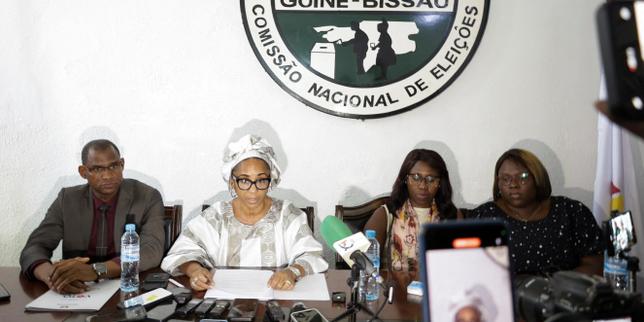
That sentiment is the invisible engine driving the recent constitutional transformation. Through a referendum, the citizens of Guinea-Bissau voted to reshape their political architecture. They dismantled the sprawling, friction-heavy parliamentary balance that often paralyzed governance and handed sweeping, decisive executive powers directly to the presidency.
It is a bold gamble. It is also a terrifying one.
To grasp the magnitude of this shift, consider what came before. In a parliamentary or semi-presidential hybrid system, power is shared, negotiated, and frequently contested. In theory, this prevents dictatorship. In practice, within a fragile state recovering from decades of political instability and narco-trafficking routes that turned its mangrove islands into smugglers' havens, it created a perpetual state of political paralysis. Cabinets dissolved. Assemblies locked horns. Important legislative agendas stalled while ordinary people worried about the price of rice.
Imagine trying to steer a wooden canoe through a churning estuary while two people are fighting over the oars. That was the old republic.
The new reality centralizes authority in the office of the president. Proponents argue this is the only way to cut through the Gordian knot of bureaucracy and corruption. They point to neighboring nations where decisive executive leadership brought infrastructure, stability, and economic momentum. They see the presidency not as a crown, but as an anchor.
Yet, history whispers warnings. When you build a house with a very heavy roof, the foundation must be deep enough to bear the weight.
Let us be honest about the risks. Concentrating executive power in a single office removes the friction that slows down bad decisions alongside good ones. It replaces institutional checks with personal loyalty. Critics of the referendum, muted though they were by the overwhelming public desire for change, raised legitimate concerns about accountability. When the president holds the keys to the treasury, the judiciary, and the security forces, the line between leadership and autocracy becomes dangerously thin.
(Note: When I describe the erosion of institutional balance here, I am using a structural metaphor to explain how unchecked authority tends to accumulate over time, drawing from comparative political science across the region.)
Walk down the dusty avenues of Bissau today, however, and you will find that political science theories matter very little to the people trying to pay school fees. The mood is not one of ideological debate about the separation of powers. It is a mood of pragmatic desperation.
People want roads that do not wash away during the rainy season. They want hospitals with medicine on the shelves. They want an end to the revolving door of prime ministerial dismissals that has defined the national story since independence from Portugal in 1974.
This is the human core of the referendum. It was never really about constitutional theory. It was an act of profound impatience.
The vote passed because the electorate decided that a strong hand was preferable to no hands at all. They chose clarity over compromise. They traded the messy, bickering pluralism of a fragmented parliament for the promise of a singular vision, however risky that vision might prove to be.
Democracy takes many shapes. In the West, we often fetishize the checks and balances of our own systems, forgetting that those systems were forged in centuries of bloodshed and economic security. In nations like Guinea-Bissau, democracy is being reinvented on the fly, battered by external economic pressures, historical scars, and the immediate, crushing demands of daily survival.
The ballots have been counted. The transition is locked into the legal framework of the state. The president now wields the vast, concentrated authority the populace has handed over.
Night falls quickly in Bissau. The streetlights flicker on, casting long, dramatic shadows against the crumbling pastel facades of colonial-era buildings. Somewhere down near the port, the ocean laps against the wooden hulls of fishing pirogues, indifferent to constitutions, referendums, and the grand ambitions of men in suits. The heavy machinery of the new regime is now in motion, humming quietly in the dark, and the entire nation waits to see whether it will pave the road ahead or simply build a higher wall.