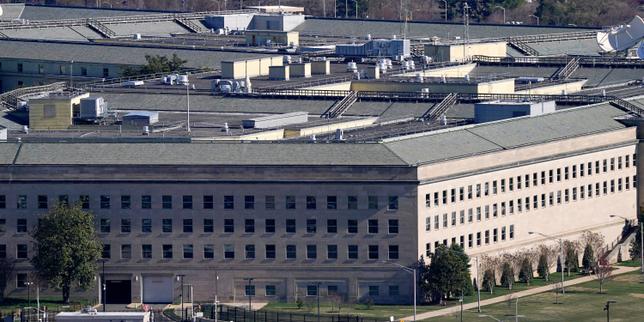
The headlines looked terrifying for a second. Multiple floors locked down. Corridors sealed off. Emergency sirens echoing through the massive nerve center of American military power. On June 11, 2026, the Pentagon faced a sudden hazardous materials scare that forced workers to shelter in place and sent first responders rushing to the scene.
Then came the collective sigh of relief. It was a false alarm.
Pentagon spokesman Sean Parnell confirmed that the chaos started when automated environmental sensors flagged a potential air quality issue. The building's emergency protocols kicked in exactly how they were programmed to, locking down vulnerable zones and evacuating several floors. The Arlington Fire Department's specialized Hazmat team swarmed the complex to support the Pentagon Force Protection Agency. After some tense technical analysis and air testing, officials realized there was no toxic plume or chemical threat. The air was fine. The confinement order was lifted. Nobody was hurt.
We see this story play out constantly in high-security environments, and it reveals a massive vulnerability in how we design safety systems. The real problem isn't that the sensors failed. It's that our hyper-sensitive security infrastructure is fundamentally built on a paradox that leaves organizations vulnerable to a different kind of danger.
The High Cost of Erring on the Side of Caution
When you manage a massive facility like the Pentagon, your security posture defaults to the extreme. If a sensor reports a microscopic anomaly in the HVAC system, you don't wait around to double-check the math. You lock the doors. You evacuate. You treat it like a worst-case scenario.
That approach makes sense on paper, but it ignores human psychology.
Cry wolf too many times, and compliance tanks. When emergency alarms become an administrative annoyance rather than a signal of life-or-death danger, people stop taking them seriously. Employees start moving slower during evacuations. They assume the flashing lights are just another glitch in the system. In a genuine crisis, those lost seconds are the difference between survival and catastrophe.
Automated Systems Create Blind Spots
Modern security relies heavily on automated detection arrays to monitor everything from air quality to digital network traffic. These tools are tuned to have an incredibly low threshold for alerts. The goal is zero missed threats, but the side effect is an overwhelming volume of noise.
The Pentagon situation shows how quickly a minor technical blip can disrupt operations for hundreds of personnel. When an automated system triggers a widespread shelter-in-place order over a false positive, it reveals that our automated systems lack contextual intelligence. They can read data points, but they can't assess actual risk before causing panic.
Security teams end up suffering from alert fatigue. When your day is consumed by investigating ghost signals and resetting tripped sensors, you're far more likely to miss the subtle, quiet indicators of an actual, sophisticated threat. The noise becomes the perfect camouflage for an adversary.
How to Fix the Broken Alert Paradox
We can't just turn down the sensitivity on life-saving sensors. That would be reckless. Instead, organizations need to evolve how they process and validate threat data before pulling the panic switch.
- Implement multi-factor threat verification. A single sensor reading shouldn't trigger a massive multi-floor evacuation unless it's backed up by secondary data from an independent system or human confirmation.
- Zone containment over blanket lockdowns. Instead of disruptive, sweeping confinement orders that fuel media panic, systems need smarter micro-zoning to isolate suspected issues without grinding an entire headquarters to a halt.
- Audit system thresholds quarterly. Environmental sensors degrade, collect dust, and suffer calibration drifts that cause false positives. Regular, aggressive hardware audits must be mandatory to keep detection accurate.
The Pentagon got lucky that this incident was nothing more than an air quality hiccup. Next time, the disruption might not be so harmless. Security leaders need to stop treating false alarms as successful tests of the system and start treating them as systemic design failures that need fixing.


