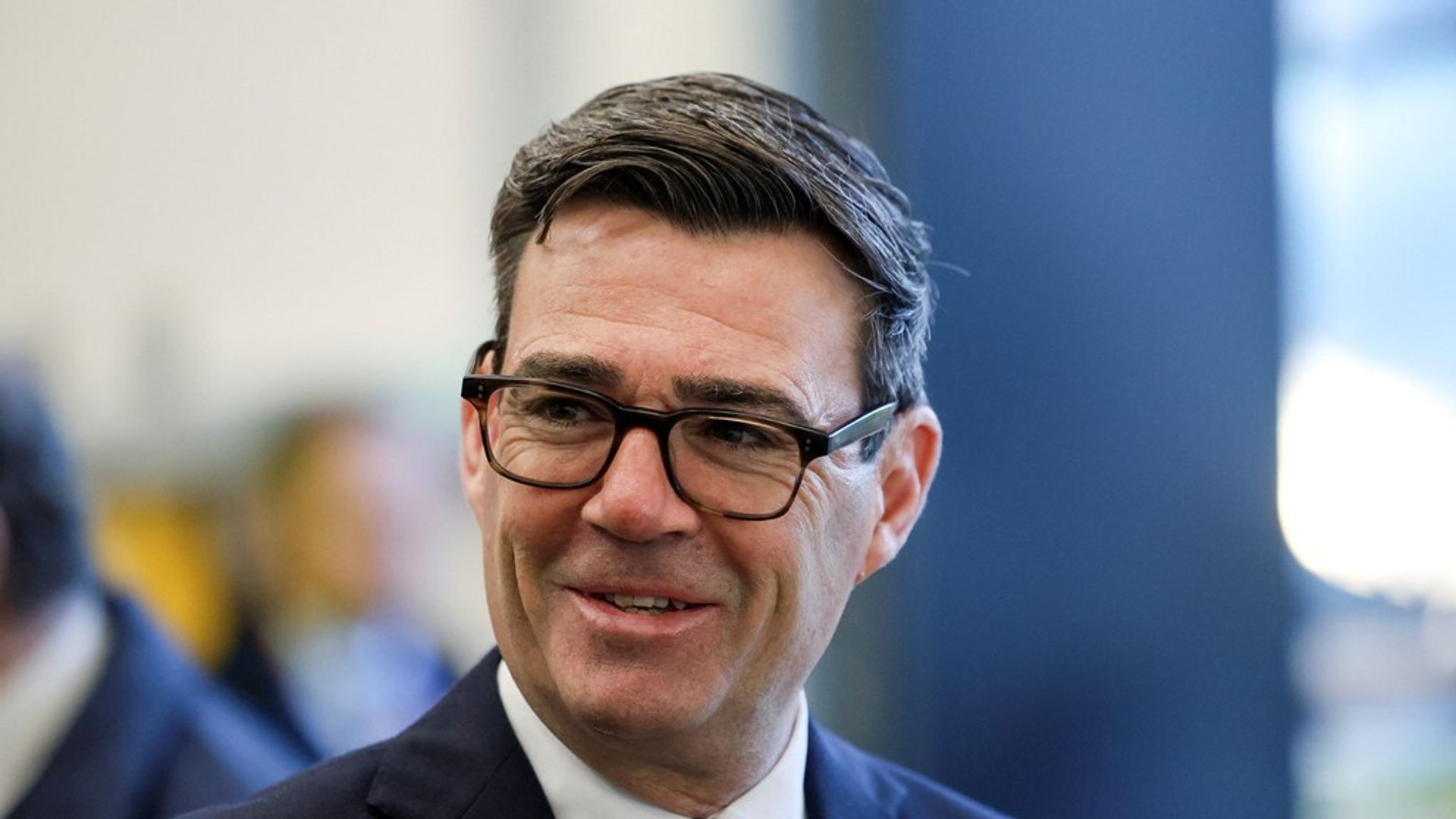
Everyone is reading the headlines about Andy Burnham being "open" to a formal slavery apology and assuming either that Britain is about to write a massive check or that nothing is actually changing. Both takes miss the point entirely.
Just ahead of the November 2026 Commonwealth Heads of Government Meeting (CHOGM) in Antigua and Barbuda—right as King Charles III toured the Caribbean—UK Prime Minister Andy Burnham broke a decades-long Westminster taboo. Writing in The Guardian on October 30, 2026, he stated he was open to calls for a formal state apology for Britain's role in the transatlantic slave trade.
He didn't stop there, though. He paired that historic opening with a hard, immovable boundary against financial reparations.
If you want to understand what is actually happening between London and the Caribbean right now, you have to look past the partisan shouting matches in Westminster. This isn't just a PR stunt for a royal tour, nor is it a blank check for reparatory payouts. It's a calculated diplomatic tightrope walk designed to keep the 56-nation Commonwealth from fracturing.
The Line Between Sorrow and a Formal Apology
Most people don't realize Britain has never actually apologized for the transatlantic slave trade. Not once.
Back in 2006, then-Prime Minister Tony Blair expressed "deep sorrow" for the trade, calling it "entirely unacceptable" ahead of the 200th anniversary of its abolition. King Charles III has similarly acknowledged the "darkest days" of colonial rule and expressed personal sorrow during Commonwealth gatherings.
In diplomacy, the gap between "deep sorrow" and a "formal apology" is massive.
Expressions of regret are emotional statements. They carry zero legal or historical admission of state culpability. Dorbrene O'Marde, chair of the Antigua and Barbuda Reparations Support Commission, put it bluntly when explaining why previous British statements fell flat—expressions of sorrow are "void of acceptance of responsibility".
Under the Caribbean Community (CARICOM) 10-point action plan for reparatory justice, a formal apology is step one. To count, it must meet three specific criteria:
- It has to be issued directly by a monarch or head of government.
- It must explicitly acknowledge the harms caused by the nation, its institutions, and its citizens.
- It needs to clearly identify both the victims and the perpetrators of the crime.
Burnham's October 2026 intervention—followed by the UK's agreement at the Antigua summit to enter a "structured, time-bound, inclusive and good-faith dialogue" set to conclude by November 2027—marks the first time a sitting British prime minister has signaled willingness to cross that threshold.
Why King Charles Could Not Say It Himself
A lot of coverage around the King's nine-day Caribbean tour framed his silence on a formal apology as a personal choice or royal stubbornness. That's a fundamental misunderstanding of how the British constitution works.
King Charles III is a constitutional monarch. He speaks on behalf of his elected government. Even though the British monarchy's forebears directly profited from the transatlantic slave trade, Buckingham Palace could not unilaterally issue a state apology without explicit policy backing from Downing Street.
When Burnham published his Guardian piece just days before flying to Antigua and Barbuda, Buckingham Palace was notified in advance. By opening the door to a government-led dialogue, Burnham effectively took the diplomatic heat off the Crown during a sensitive regional tour, shifting the responsibility back where it constitutionally belongs—onto elected politicians.
The Financial Reparations Red Line
Here is where things get messy, and where Burnham's strategy faces its toughest test.
While opening the door to an apology, Burnham drew a thick line in the sand on money. "I do not think that British people today can be held liable for historical wrongs, however heinous, that happened in a different age under different laws and in which they played no personal part," he wrote.
Instead of direct financial compensation, Downing Street is pitching an alternative package:
- Pushing for debt restructuring and fairer debt terms for lower-income Commonwealth nations, tapping former Prime Minister Gordon Brown to help lead the charge.
- Expanding practical cooperation on climate resilience, health, education, and cultural exchange.
- Framing modern partnership and economic development as the realistic path forward.
Honestly, this mirrors how other European nations have handled the exact same pressure. Denmark issued an apology in 2018. The Netherlands followed in 2022, pairing its apology with a dedicated education fund rather than direct state-to-state reparations. France passed legislation in 2001 declaring enslavement a crime against humanity. None of them agreed to direct financial reparations.
The Domestic Backlash in Britain
Even without money on the table, Burnham's move triggered an immediate political storm at home.
Conservative leader Kemi Badenoch argued Britain shouldn't apologize at all, warning that any formal apology acts as "a lever to wedge open the door to ask for cash". Reform UK leader Nigel Farage went even further, claiming Britain had already "atoned" through the Royal Navy's 19th-century West Africa Squadron campaigns to suppress the slave trade.
That fear of legal liability isn't purely theoretical. Government lawyers in London have spent years warning prime ministers that a formal state apology could weaken the UK's legal defenses if Caribbean nations eventually take reparations claims to international courts. Burnham is betting that a carefully negotiated apology, co-shaped through a structured dialogue before the G20 summit in Manchester in November 2027, can satisfy moral demands without triggering open-ended financial liability.
How Caribbean Leaders Are Actually Reacting
If you only read British newspapers, you'd think Caribbean leaders uniformly rejected Burnham's offer because he ruled out cash. The reality on the ground in Antigua and Barbuda was much more nuanced.
Yes, activists and street protesters outside the summit demanded "Reparations now," and several CARICOM reparations commissioners warned that a conversation without financial restitution risks amounting to nothing. Yet the region's elected heads of government saw an immediate diplomatic opening.
Barbados Prime Minister Mia Mottley responded pragmatically, noting that while the UK and Caribbean leaders plainly disagree on reparations, "honest disagreement on some questions should not hold back progress on the many others where we can readily agree". Antigua and Barbuda's Prime Minister Gaston Browne called Burnham's shift a "significant and welcome development".
Sir Hilary Beckles, chair of the CARICOM Reparations Commission, even acknowledged that Burnham was likely "carrying the broad middle of British opinion on this matter".
Caribbean leaders are playing a long game. For over a decade, London refused even to put the legacy of slavery on the formal Commonwealth agenda. Getting Britain to commit in writing to a time-bound, good-faith dialogue on the historical harms of trafficking enslaved Africans is a massive diplomatic win. Once Britain formally acknowledges responsibility, Caribbean governments believe the moral and political leverage for debt relief, climate finance, and structural investment grows exponentially.
What Happens Between Now and November 2027
The Antigua communique locked the UK into a specific timeline. This isn't an indefinite committee designed to kick the can down the road for another generation.
The dialogue process is scheduled to wrap up by November 2027—right around the time Britain hosts the G20 leaders' summit in Manchester. When asked on BBC Newscast whether the UK government could reach the point of issuing a formal apology by that Manchester summit, Burnham answered, "Broadly speaking, yes".
If you're tracking how this story develops over the next twelve months, watch three specific indicators rather than daily Westminster gossip:
- The terms of reference for the dialogue. Watch who gets a seat at the table—specifically whether CARICOM's reparations commissioners and Indigenous representatives are included alongside government ministers, as outlined in the House of Commons Library briefing on CHOGM 2026.
- Concrete movement on sovereign debt. Gordon Brown's involvement isn't accidental. If Britain delivers genuine multilateral debt restructuring for climate-vulnerable Caribbean states, regional leaders will have tangible proof that dialogue yields material results.
- The exact wording of the final statement. If the 2027 text uses words like "responsibility," "culpability," and "apology" rather than "regret" or "sorrow," Burnham will have permanently rewritten British foreign policy—and handed Caribbean nations a diplomatic foundation they will build on for decades.


