You expect a waterpark to be a place of pure, unfiltered summer joy. You don't expect a metal railing to send twelve middle school kids to the hospital.
Yet, that's exactly what happened on Monday, June 15, 2026, at Cultus Lake Waterpark near Chilliwack, British Columbia. The headlines blasted out frightening alerts about a mass-casualty style response, two air ambulances landing on closed highways, and twelve children suffering from serious injuries. Rumors flew instantly. People assumed a slide collapsed. They assumed a chemical spill, or maybe a massive drowning incident.
The reality is weirder, and in many ways, much more terrifying for parents.
The kids weren't even in the water. They were just standing in line.
The Shocking Reality of What Happened in the Queue
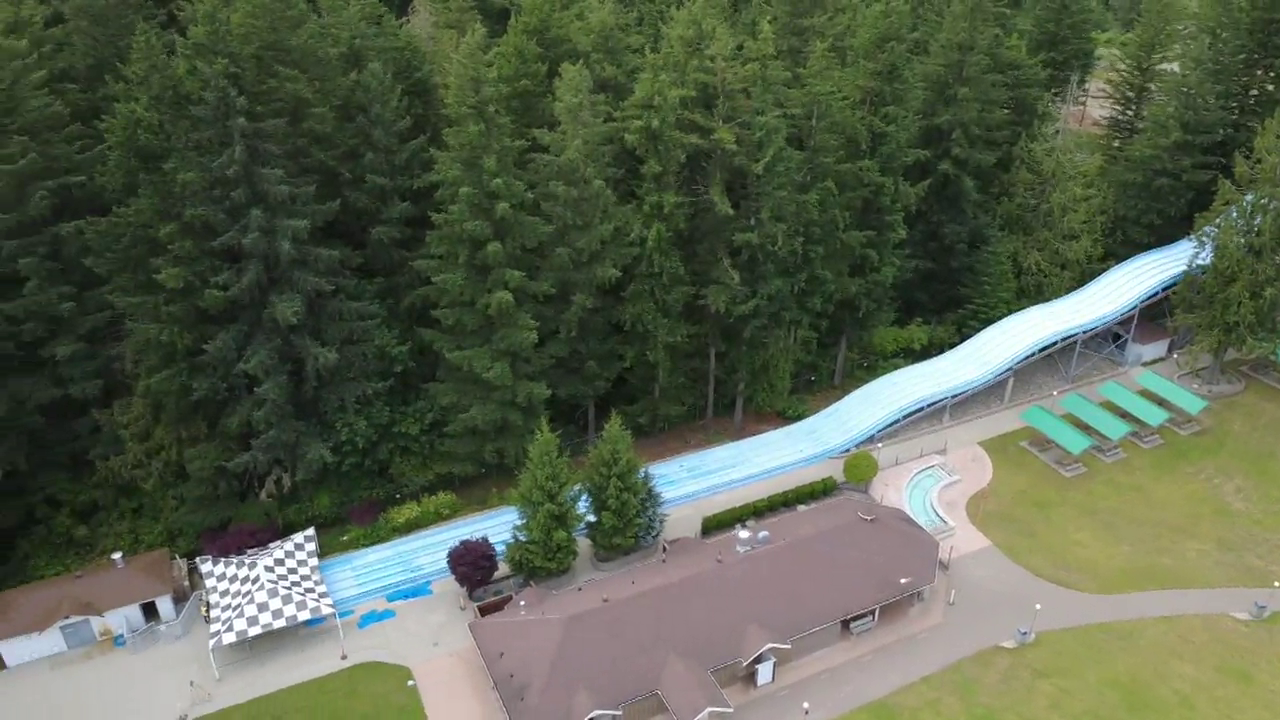
Most of the injured kids were students from Minnekhada Middle School in Port Coquitlam, out on what should have been a classic, end-of-the-year school field trip. Just after 11 a.m., a group of these 10-to-12-year-olds were lined up for the Zero to 60 Speedway slide.
They weren't doing anything wrong. They were just waiting their turn, barefoot and wet, when they made contact with a metal railing in the queuing area.
They didn't slip. They got electrocuted.
Firsthand accounts shared by those nearby paint a horrifying picture of the sudden chaos. One moment kids are laughing, and the next, they are literally stuck to the metal, unable to pull their hands away as electric current courses through them. Witnesses described a feeling of everything moving in slow motion, kids falling to the ground, and screams for help. Because the students were barefoot and covered in water, their bodies became the perfect grounding path for the rogue electrical current.
The primary physical toll? Serious, painful burns to their feet and hands, alongside the sheer psychological trauma of the event.
Emergency responders descended on the Columbia Valley Highway, shutting it down in both directions so ground ambulances and two separate helicopters could evacuate the victims. While BC Emergency Health Services and Chilliwack RCMP confirmed the injuries are serious, thankfully, they are not life-threatening. All twelve children are currently recovering in various Lower Mainland hospitals, stable but deeply shaken.
The Mystery on the Customer Side of the Grid
As expected, Cultus Lake Waterpark shut its gates immediately. Management announced a mandatory 48-hour closure to bring in independent investigators.
But who is to blame?
Chilliwack RCMP quickly stated there's no evidence of criminal intent or deliberate human action. This wasn't sabotage. It was a technical failure.
BC Hydro crews rushed to the scene to check their local power infrastructure. Their verdict was swift: the electrical issue originated entirely on the "customer’s side" of the electrical service. In plain English, BC Hydro's equipment worked perfectly; the deadly short happened somewhere within the waterpark’s own internal wiring network.
The file has now been handed over to WorkSafeBC and Technical Safety BC. For those who understand commercial electrical codes, a failure like this points to a massive, systemic breakdown of safety redundancies.
Commercial pools and waterparks are tightly bound by strict electrical codes. Since the late 1960s, regulations have mandated extensive bonding and grounding systems. Every single piece of metal near a pool—railings, ladders, concrete rebar, pump housings—must be bonded together with a thick copper wire. This ensures everything stays at the exact same electrical potential. If a hot wire shorts out against a railing, the bonding wire safely carries that current away, instantly tripping a breaker.
When people get shocked by a railing, it usually means two catastrophic things happened at once:
- A live electrical wire rubbed raw or shorted out against a piece of structural metal, likely connected to nearby slide equipment or lighting.
- The safety bonding wire was either never installed, corroded to pieces, or physically broken.
Without that safety ground, the metal railing sat there like a loaded gun, waiting for a wet, barefoot child to complete the circuit.
The Myth of the Flawless Safety Record
Andrew Steunenberg, the park's chief administrative officer, told reporters that the incident was completely unexpected and doesn't align with their safety record. It's a standard corporate response. And to be fair, Cultus Lake is B.C.’s biggest waterpark and has operated for decades without an electrocution headline.
But a clean track record doesn't mean your current maintenance is flawless.
Waterparks are brutal environments for electrical systems. You have massive amounts of water, heavy vibrations from high-powered water pumps, and a constant assault from harsh pool chemicals like chlorine, which eat through protective conduits and copper grounding wires for breakfast. If a park cuts corners on routine, invasive electrical inspections, disaster is inevitable.
This incident exposes a massive blind spot in how we view amusement park safety. We look at the welds on a roller coaster or the depth of a splash pool. We don't think about the line barriers we lean on while waiting to ride.
Practical Next Steps for Parents and Schools
If you're a parent sending your kid on a school trip, or if you're planning a summer day out at a theme park, you shouldn't panic, but you absolutely should change how you navigate these spaces.
First, look closely at the physical environment. If you see rusted electrical conduits, exposed wiring boxes near water lines, or loose metal railings near mechanical equipment, walk away and report it to staff immediately.
Second, schools need to push for higher vetting standards. Before booking a field trip to a major commercial venue, school districts should demand confirmation of recent structural and electrical safety certifications, not just standard liability waivers.
The investigation at Cultus Lake will take weeks to yield a final, detailed technical report. Until Technical Safety BC explicitly identifies the point of failure and certifies that the entire park’s bonding grid is secure, the gates shouldn't reopen. A waterpark can't just be fun; it has to be grounded. Literally.