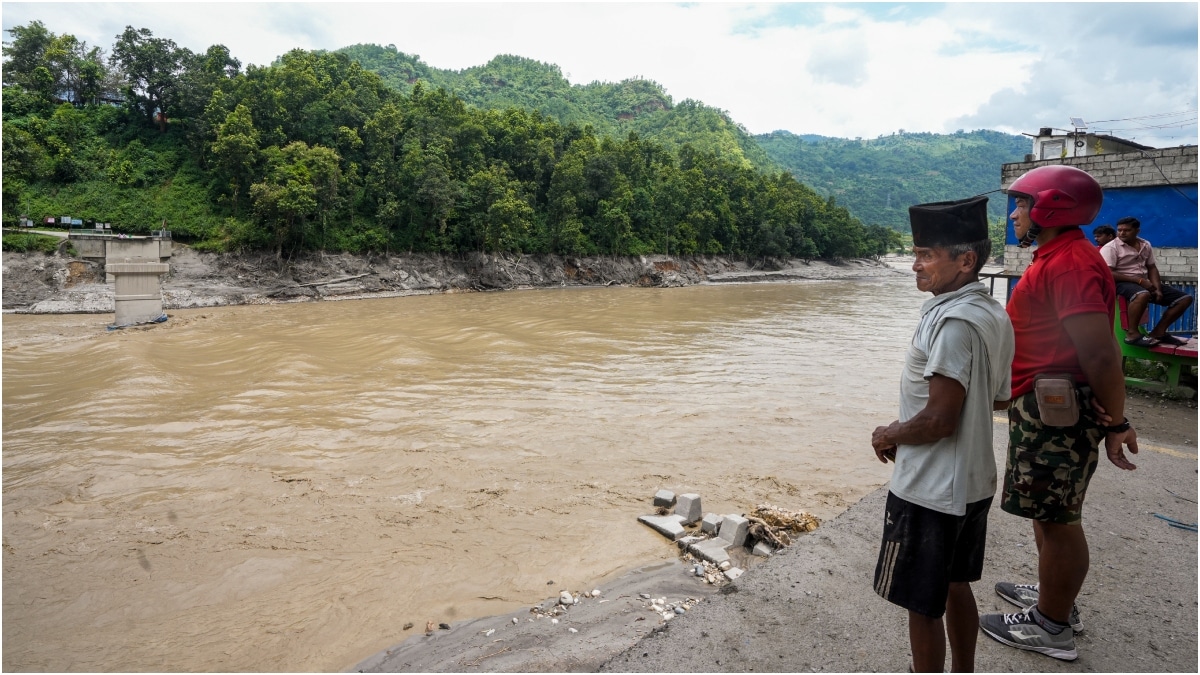
A massive wall of mud and water tore down the Himalayan valleys, leaving absolute devastation in its wake. If you are following the news out of Nepal, you already know the scale is terrifying. Over 500 people are confirmed dead, and hundreds more remain missing across districts like Rasuwa, Nuwakot, and Chitwan. But the headlines miss the structural reality of how this disaster actually unfolded.
Let's look past the surface numbers and unpack what is really happening on the ground.
The Trigger Behind the Trishuli and Bhotekoshi Torrent
Most casual observers assume heavy monsoon rains caused the catastrophe. They are wrong. Experts trace the root cause to a high-altitude ice avalanche and glacial debris flow upstream near the Nepal-China border.
When an ice-rock landslide blocked the Lhende river near Tibet, it created a massive, unstable water pool. That natural dam broke. A wall of debris traveled down the valley at terrifying speeds, hitting border ports, hydropower projects, and riverside villages before surging into the Trishuli river basin.
By the time the floodwaters reached downstream areas like Nuwakot and Chitwan, they carried mud, vehicles, and wreckage hundreds of kilometers away. Some bodies were eventually recovered far south in the Indian plains. This wasn't a standard seasonal flood. It was a high-altitude glacial outburst that gave communities practically zero reaction time.
Rescue Realities in Chitwan and Nuwakot
The human toll is staggering. Ground teams and aerial units have deployed thousands of security personnel to comb the riverbanks. Helicopters are the only lifeline for isolated mountain pockets where roads and suspension bridges have been completely washed away.
In districts like Nuwakot, entire settlements like Soley village were virtually wiped out. Prime Minister Balendra Shah traveled directly to inspect the hardest-hit regions, pushing emergency medical camps and free hospital beds in Kathmandu for the injured.
Meanwhile, Chitwan has turned into a grim recovery zone. Because the river systems carry debris directly through the district, local authorities have had to set up tents to help families identify victims recovered far downstream.
The International Tourist Crisis
A grim component of this tragedy involves hundreds of foreign nationals and spiritual pilgrims. Many travellers caught in the disaster corridor were heading toward Tibet for the Kailash Mansarovar Yatra or exploring trekking routes in Bagmati Province.
The Nepal Tourism Board has scrambled to verify lists of missing persons. Scores of citizens from India, the United States, China, and various European nations were caught near the border immigration offices when the wall of water hit. While search-and-rescue teams have successfully evacuated over a hundred stranded tourists, hundreds of foreign nationals remain unaccounted for.
What the Recovery Phase Demands Now
Right now, emergency response is shifting from immediate rescue to massive humanitarian relief. Clean drinking water, shelter for displaced families, and disease prevention in humid lowland areas like Chitwan are the primary hurdles.
If you have family travelling in the Himalayan region, stop relying on fragmented social media feeds. Check official updates directly from the Nepal Tourism Board or local diplomatic missions for verified rescue lists. Support established relief organizations actively working on the ground rather than unverified crowdfunding links. The road to recovery for these communities will take years.