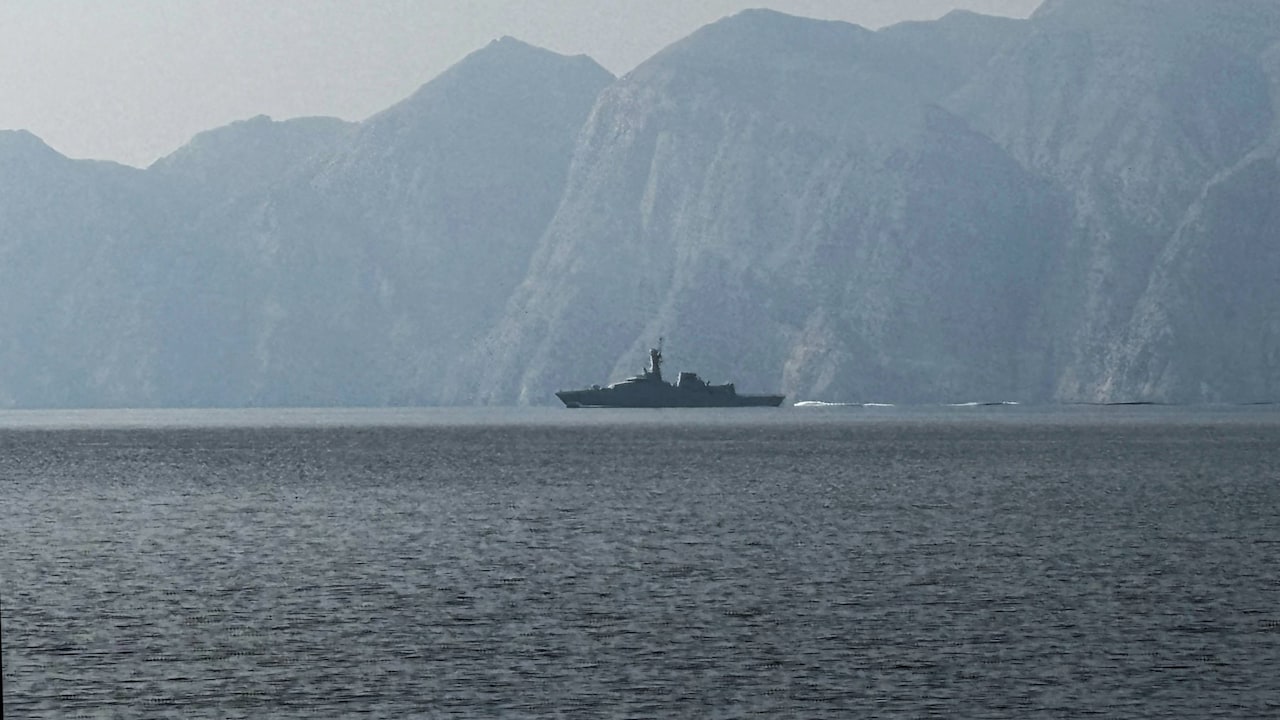
Information warfare in the Middle East moves faster than the hardware deployed there. Tehran just declared a major hit on an American warship in the Gulf of Oman, claiming it struck a vital floating naval command post. Washington immediately shot back with a blunt four-letter assessment. It's a classic case of military gaslighting, and the truth reveals exactly how messy this maritime conflict has become in 2026.
The Iranian Navy claims its forces identified and successfully targeted a U.S. Navy destroyer. According to Tehran's state media, this vessel served as the command-and-control center orchestrating American operations against Iranian commercial shipping. U.S. Central Command did not mince words in its response on social media, stating directly that Iran is lying and that American assets continue to operate safely and unimpeded.
This isn't an isolated maritime spat. It's the latest flashpoint in an intense cycle of strikes, blockades, and media posturing that threatens to tear down a fragile, weeks-old ceasefire.
The Anatomy of the Iranian Claim
Tehran's public relations apparatus rolled out a highly specific narrative. State-run outlets reported that the Iranian Navy locked onto a U.S. destroyer attempting to approach Iran's territorial waters. They alleged the strike was a direct response to American violations in the Strait of Hormuz and hostile acts against domestic trade ships.
The official statement emphasized that Iranian forces successfully neutralized the command center aboard the ship. They didn't provide video evidence. They didn't show photos of smoke on the horizon. They didn't even specify the type of weapon used, whether a drone, a cruise missile, or a swarm of fast-attack boats.
The strategy here is obvious. By targeting the narrative around a destroyer, Iran attempts to signal to its domestic audience and regional allies that it can go toe-to-toe with the U.S. Fifth Fleet. It frames its actions as defensive, turning a geopolitical blockade into a story of sovereign resistance.
Washington Pushes Back Fast
CENTCOM's reaction wasn't just a standard bureaucratic denial. It was immediate and aggressive. U.S. military officials used their public channels to issue a graphic overlay stating "TRUTH" over the Iranian claims. They insisted that all American naval assets in the region are completely unharmed.
Look at the broader theater to understand why the U.S. moved so quickly to shut this down. The Pentagon is currently maintaining a tight maritime blockade that began back in April. According to operational data, American forces have intercepted or diverted dozens of vessels linked to Iran over the last two months. Letting a rumor circulate that a U.S. destroyer was compromised would damage the perceived authority of that blockade.
Naval experts point out that modern guided-missile destroyers, like the Arleigh Burke-class vessels operating in the Arabian Sea, possess multi-layered air defense systems. Hitting one unnoticed is virtually impossible. If an Iranian missile or drone had actually impacted a U.S. warship, satellite imagery, regional radio chatter, and automated tracking data would have flagged the incident instantly.
A Dangerous Backdrop of Deflections and Real Damage
This war of words comes right after a string of highly destructive, verified incidents across the region. Just a day prior, a devastating strike hit the compounds of Kuwait International Airport, killing an Indian national and wounding over 60 people.
The blame game for that airport strike followed the exact same script we're seeing in the Gulf of Oman. The Islamic Revolutionary Guard Corps denied pulling the trigger, claiming instead that a malfunctioning U.S.-made Patriot missile defense system caused the airport damage. Washington discarded that theory, countering that Iran deliberately targeted the civilian airport with drones.
Meanwhile, physical operations continue on the ground and in the water.
Recent Verified Military Actions
- Qeshm Island Strike: U.S. forces carried out a direct strike on an IRGC communications tower located on Qeshm Island near the Strait of Hormuz.
- Mine Interceptions: CENTCOM forces recently engaged and neutralized several Iranian small boats attempting to deploy naval mines along critical shipping lanes.
- Air Defense Intercepts: Western and regional air defenses recently downed multiple projectiles aimed toward assets in Bahrain and Kuwait.
Why the Information War Matters More Than Ever
In modern conflict, perception shapes reality for markets and regional state actors. Tehran doesn't necessarily need to sink an American destroyer to achieve its goals. Simply floating the claim introduces doubt, spikes oil speculation, and forces the Pentagon to expend energy correcting the record.
Diplomatic tracks between Washington and Tehran are reportedly still open, though progress is completely stalled. Iranian Foreign Minister Abbas Araghchi publicly noted that negotiations haven't totally collapsed, but he tied any real settlement to the ongoing theater in Lebanon. With Israeli forces pressing operations against Hezbollah, Iran is using its maritime leverage to signal that it can widen the conflict at any moment.
If you're watching the shipping corridors, don't just look at the tracking maps. Watch the statements. The immediate future of this conflict will be defined by these rapid-fire cycles of kinetic strikes followed by immediate digital denials.
To stay ahead of the volatility in the region, observers must verify maritime claims through independent satellite tracking and formal international shipping registries rather than taking state-media announcements at face value. Expect increased naval patrols throughout the week as both sides attempt to project absolute control over the world's most vulnerable chokepoint.